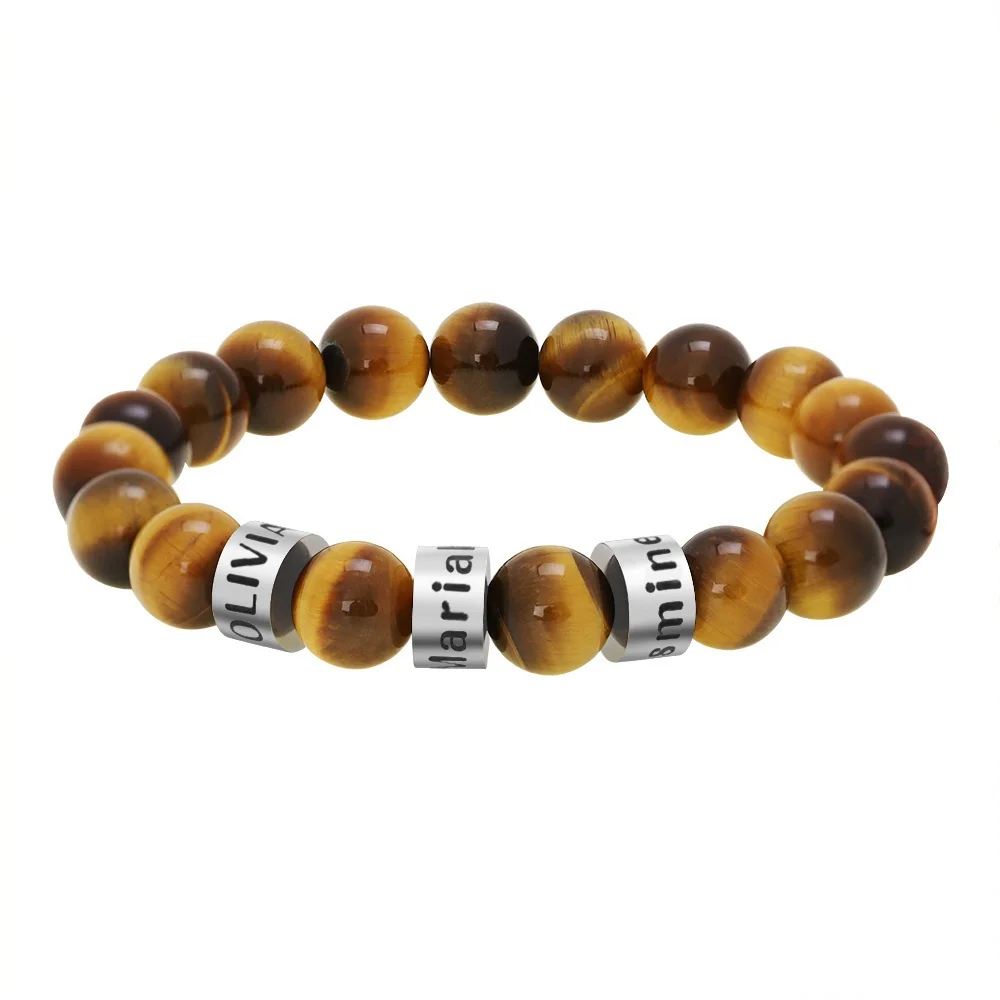
Wrist circumference describes the wearer. Bracelet length describes a product, and its meaning depends on how the bracelet is measured. Do not use the two numbers as interchangeable labels.

Label each number before comparing it
An original measurement note might read:
“Wrist circumference: 17.5 cm, measured at the intended wearing position. Existing bracelet: separate measurement pending. Candidate: please supply the finished length and the recommended wrist range for this exact version.”
This note does not choose a size. It preserves the measurement you actually have while identifying the missing relationship.
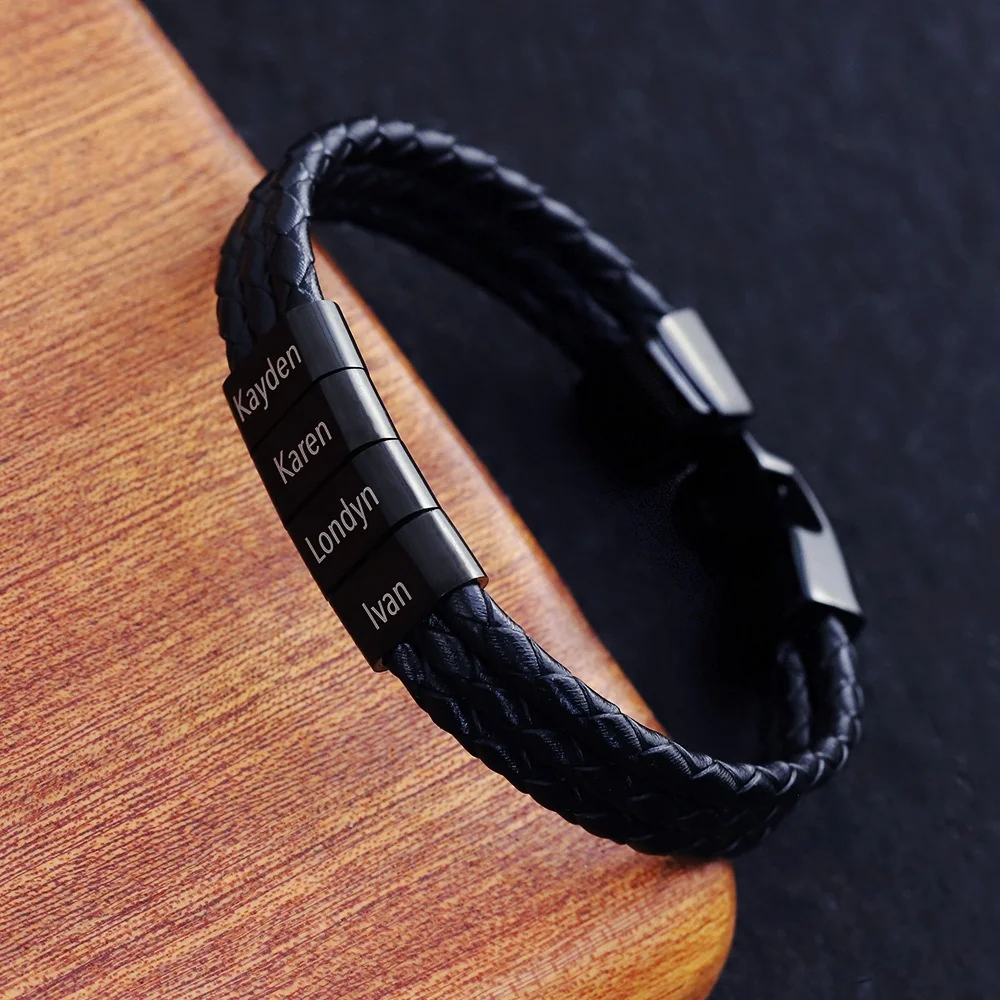
Ask how the seller defines fit
For The Double Chain and The Family Bracelet, ask whether the quoted length is laid flat, measured inside when closed, or defined another way. Then request the intended wrist range and adjustment instructions for the selected option.
A thicker bead, broad clasp, or open structure may change the fitting problem. Do not add the same guessed allowance to every measurement.
If a listing states “20 cm” without identifying what was measured, keep the field as ambiguous. A precise number with an unclear definition is not a usable sizing recommendation.
Sort the measurements into separate columns
Make a comparison sheet with a wearer column and a product column. Put your wrist reading in the wearer column, including the wrist and intended position. Put each candidate's stated dimension in the product column with the seller's exact description. A third column can hold the relationship the seller supplies between that dimension and an intended wrist range.
Do not move a product number into the wearer column because it appears next to a size selector. A selector label may describe a finished length, a named option, or another specification. The location of the number on a webpage does not define what was measured. Preserve the wording surrounding it so you can ask a specific question later.
If a seller provides several dimensions, assign each to its own field. Width, overall length, usable closed length, and an extension are different entries. Keeping them separate prevents a wide component's dimension from being mistaken for the size of the whole bracelet. If a diagram lacks labels, record the arrows as unclear instead of assigning your own interpretation.
Recognize three different comparison problems
A laid-flat chain measurement has defined endpoints along a product. A closed interior measurement concerns the space within a finished piece. A recommended wrist range describes whom a seller intends an option to fit. You can write down all three when supplied, but none should be substituted for another without the product-specific explanation.
The construction belongs beside the numbers. A reference with two parallel strands should not be compared by adding the strands' lengths together. A clasp visible between two ends is not automatically included in a quoted length. A braided band can have rigid components that are absent from a simple chain. These observations identify questions to resolve; they do not produce a homemade sizing formula.
If you compare an existing piece, state whether its measurement includes its closure and whether it was measured open or closed. Also state the wearing preference it represents. “This piece moves farther down my wrist than I prefer” may be more useful than a bare length when the new design has a different structure. Keep the actual wrist reading available so the conversation does not rely entirely on the old piece.
Work through a fictional reply
In this fictional example, a wearer has a measured wrist circumference of 17.5 cm. Candidate One lists a length of 20 cm, while Candidate Two lists 19 cm. The first number initially looks as though it would be looser, but neither listing defines its measurement. The wearer leaves both candidates unresolved rather than ranking fit from those numbers.
The next reply explains that Candidate One's number is an overall open length including its closure. Candidate Two's reply simply says “normal size.” The wearer now has a definition for one product and still lacks it for the other. Neither reply yet supplies a confirmed wrist range, so the record does not mark either as a fitting choice. This keeps partial information useful without making it do more than it can support.
If a later reply supplies an intended wrist range for the exact configuration, the wearer compares the original 17.5 cm reading with that recommendation. They also ask which wearing preference the recommendation assumes. They have progressed from two unlabeled numbers to an explained relationship; they have not used subtraction between unrelated quantities to invent an allowance.
Keep the final decision reproducible
Store the seller's explanation with the particular option it describes. If you change the number of name elements, closure version, or band construction, reopen the comparison instead of reusing the previous answer automatically. A sizing answer may be valid only for the arrangement actually discussed.
Your finished sheet should show a measured wearer value, a defined product dimension, and an explicit fit recommendation or an unresolved field. When someone else reads it, they should be able to explain why the candidate remains on the shortlist. “The numbers were close” is not that explanation. An identified product measurement connected to an identified wrist range is the missing link this task is meant to obtain.