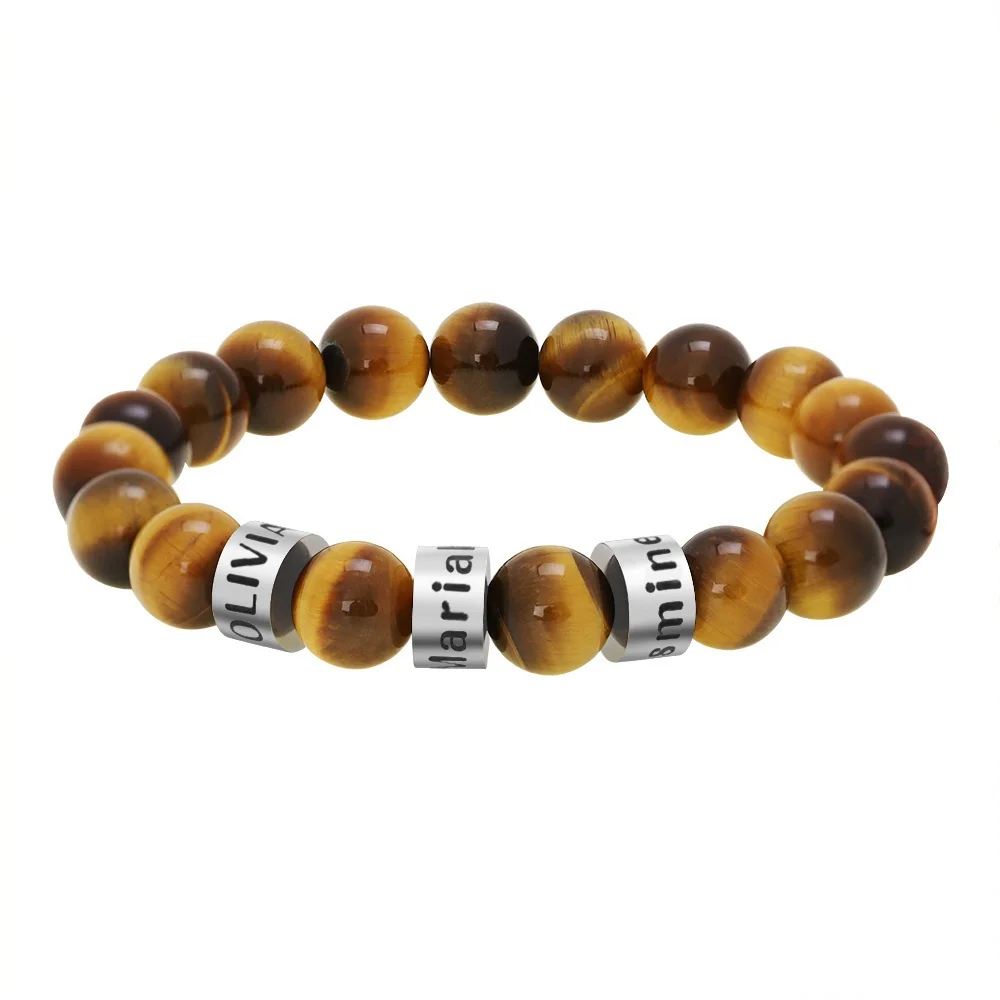
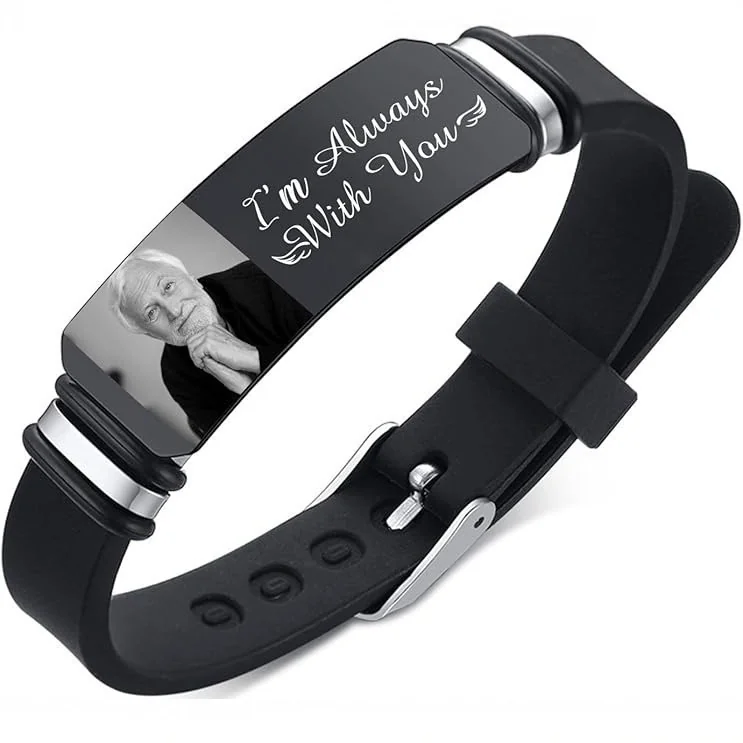
Record “black-colored” as an appearance, not a material. The same visible color can appear on different components, and the image cannot establish their composition.

Ask for the part as well as the material
A useful record has separate fields for band or chain, name element, clasp, and finish. If the seller supplies a material word, ask which component it describes. A metal clasp does not establish the composition of a cord beside it.
Keep the source attached
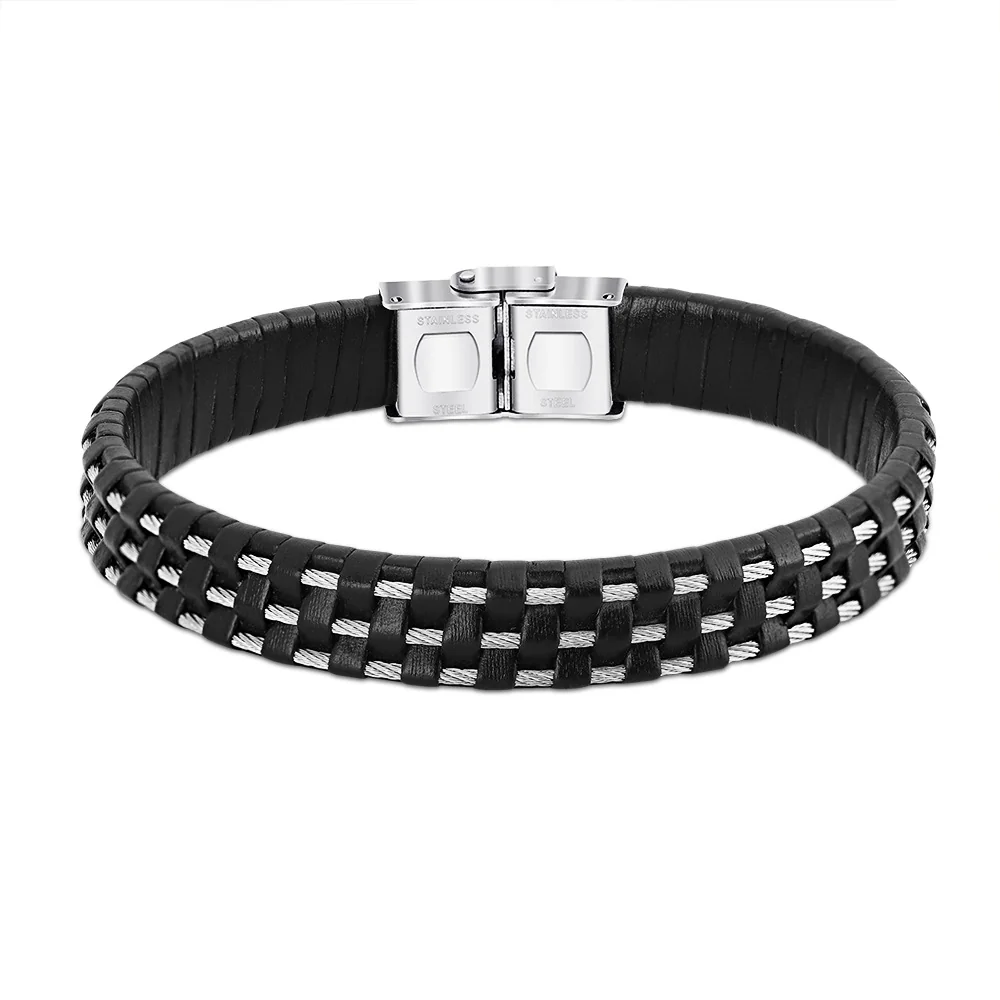
For The Double Chain or The Wide Link Bracelet, save the specific supplier statement with the product ID, option, and date. Distinguish a supplier-reported attribute from independent inspection.
If a title says “steel” while the detail text names another material, preserve the conflict rather than choosing the more attractive claim. Ask for a corrected component specification before making a material-based recommendation.
Color can help choose a visual style. It cannot support claims about waterproofing, allergy safety, fading, or durability without the relevant evidence.
Give each visible part its own row
Begin with a whole-piece photograph and identify the band, links if present, joining component, and any personalized surface. The rows can use ordinary descriptions such as “dark clasp with the name” and “woven section beside it.” You do not need technical names for unseen parts. A component description should help another person locate the part without implying a composition you have not established.
Record appearance in one column and material evidence in another. “Black-colored” belongs in the appearance column. A dated supplier statement belongs in the evidence column, with a note explaining which component it names. If the statement does not identify a component, leave that ambiguity visible instead of applying it to the whole design.
Ask separately about composition and treatment
A base-material question concerns what the part is made from. A surface-treatment question concerns the treatment of the visible area. Ask both for the exact option, including the personalized area if it differs. Do not infer a treatment such as PVD from a dark photograph or transfer one supplier's terminology to another product.
If a reply says only “black metal,” ask for clarification rather than treating the phrase as a complete specification. If it supplies a broad material description for a bracelet with a cord, ask whether the cord is excluded. The aim is a component specification, not the longest possible list of attractive material terms.
Compare records before comparing claims
| Record field | Useful distinction |
|---|---|
| Component | Identifies where the statement applies |
| Visible color | Describes the reference appearance |
| Base material | Records an attributed specification if supplied |
| Surface treatment | Records the exact treatment wording if supplied |
| Source and date | Shows who made the statement and when |
| Verification status | Distinguishes a claim from an inspected result |
Two items can remain visually comparable even when these columns differ. You may prefer the outline of one reference while still needing its material information. Keep the style decision provisional if the missing specification matters to the intended use. A photo cannot close an evidence gap simply because the pictured finish looks similar to a familiar accessory.
A fictional mixed-component example
In this fictional editorial example, Jesse likes a bracelet with dark links and a dark woven section. An initial message describes the bracelet as steel, but does not explain the woven part. Jesse records the statement against the linked components only as an unconfirmed interpretation, then asks the supplier to identify its actual scope. The final record must distinguish the links, band, and clasp rather than repeating “steel” in every row.
Suppose a second source uses a different material term for the clasp. Jesse retains both dated statements and asks which describes the selected version. The conflict is not resolved by choosing the source with the sharper photograph. If no correction is supplied, the material-based decision remains open while the visual preference can still be recorded.
Keep performance questions separate
Once the components are identified, questions about care, contact with water, or a particular wear condition still need relevant answers. A material word is not a substitute for the approved instructions for the assembled item. Ask about the actual exposure you are considering, and keep the answer linked to the selected option instead of treating it as a statement about all black jewelry.
Do not write a gift description that upgrades color into a promise. “I chose the dark outline because you liked it” describes your selection. A claim that the piece will never fade or suit every wearer requires evidence absent from these references. Leaving those promises out keeps the description accurate without preventing a meaningful style choice.
If a seller supplies a revised specification, ask whether it replaces the earlier statement for the same option. Keep the correction beside the original conflict so a future reader can see which description controls the current request.
Prepare a specification request worth saving
Attach the product ID, intended option, component photo, and the existing statements that need clarification. Ask for a corrected description in writing where sources disagree. Save the answer with its date and scope, including unresolved parts. The resulting document should let a reviewer distinguish visible color, attributed composition, and verified information without reconstructing the original conversation.