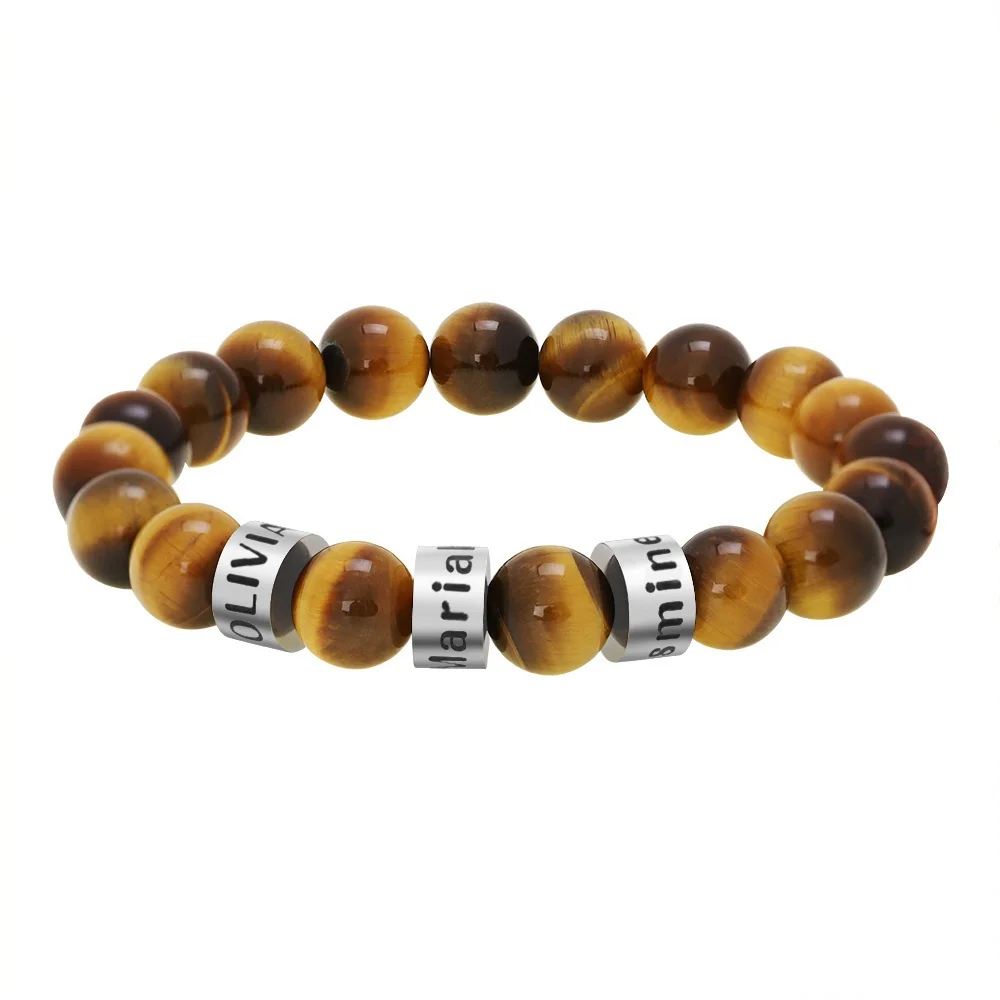
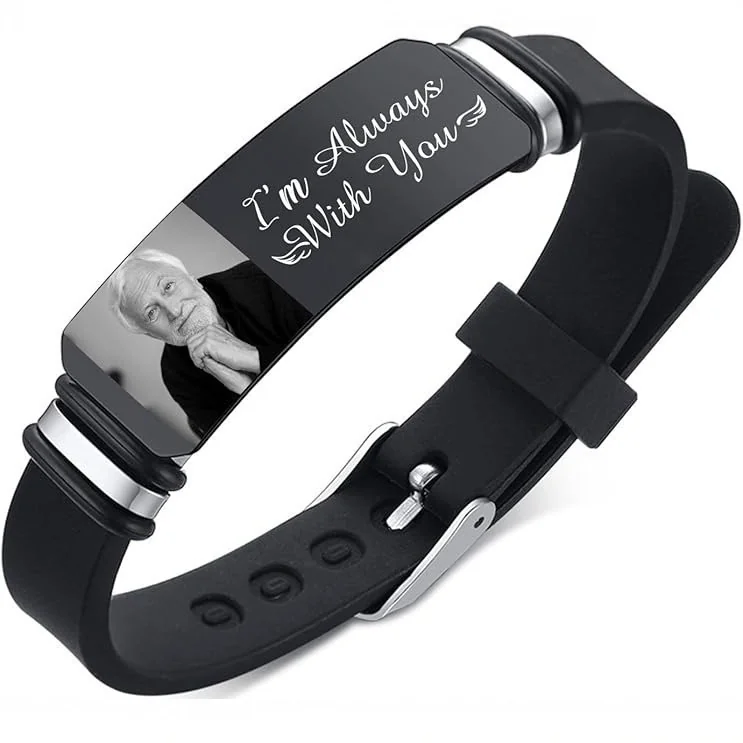
Use the shirt cuff you actually wear as the comparison. The widest component of the bracelet may matter more than the narrowest strand.

Check the shirt in two positions
Record how the cuff sits when buttoned and when your hand reaches forward. Note whether you want the bracelet visible, partly covered, or usually hidden. Those are three different styling goals.
Ask for the bracelet’s maximum relevant width and thickness, with the measured component identified. A laid-flat photograph beside a shirt is not enough to establish clearance while worn.
Compare the actual construction
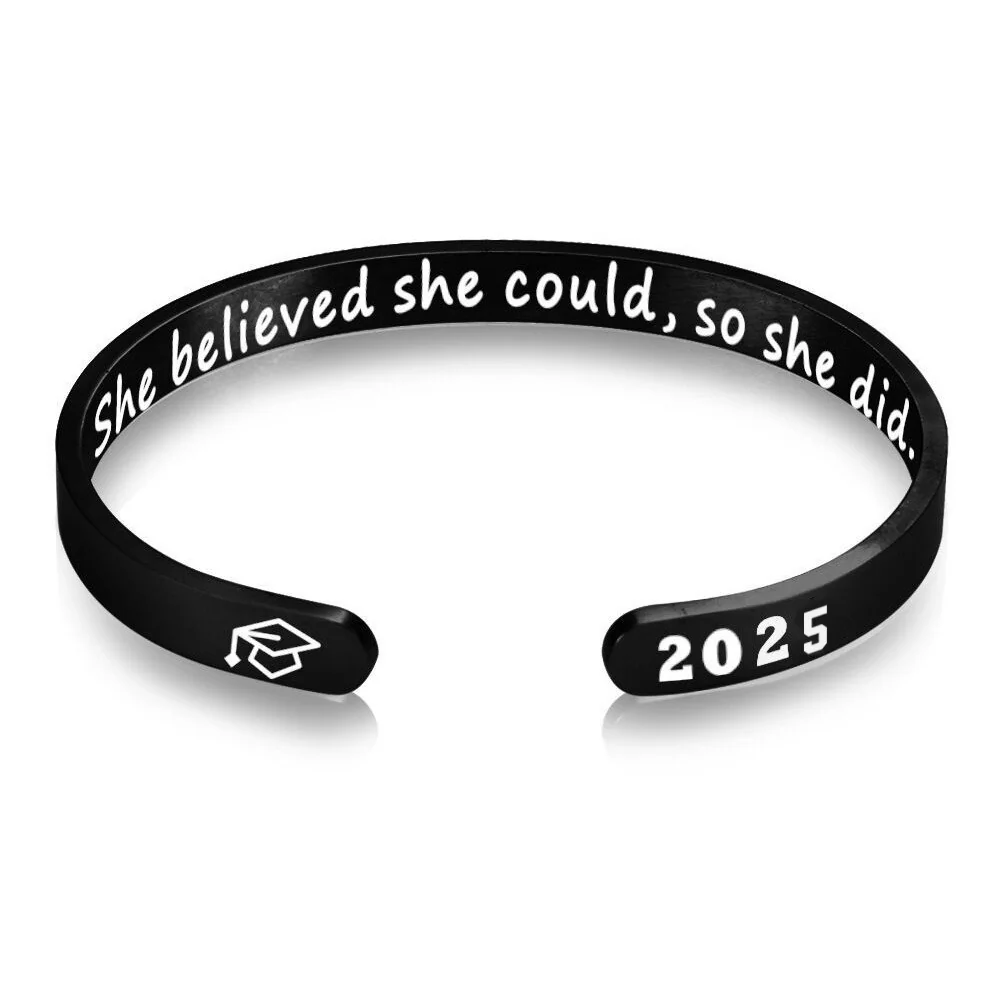
For The Double Chain or The Open Cuff, keep supplier-reported dimensions attached to their source version and request sales-approved values. Do not treat the product name as a width label.
If the usual sleeve hides the feature you want to see, another sleeve arrangement or jewelry category may suit the goal better. Forcing a shirt cuff around an unknown thickness does not resolve fit. Record a provisional visual choice, then settle the dimensions before selecting the piece.
Define how you want the bracelet to appear
Decide whether the piece should sit below the cuff, appear briefly when the hand moves, or remain mostly covered. These goals change the comparison. A visible name element might be the priority for one outfit, while an inside message might be appropriate even if the sleeve hides the bracelet most of the time.
Write that goal beside the shirt you are actually evaluating. Do not assume that rolling the sleeve is an acceptable solution if you never wear it that way. The best reference garment is one you already use, with the cuff fastening and sleeve position you prefer.
Observe the garment without the new bracelet
Note where the cuff sits when the arm rests and when you reach forward in ordinary movement. Observe whether the cuff is usually close to the wrist or leaves visible space. These are clothing observations, not calculations of a bracelet size. A wrist measurement and a shirt opening describe different things.
If you use an existing accessory for comparison, record its relevant width and thickness with the unit and method. Note which part passes near the cuff. The example can help formulate a question, but it cannot certify clearance for a new design with a different clasp, band, or end shape.
Ask about the component that controls the comparison
The narrow strand may not be the widest part. Identify whether the clasp, panel, name element, or continuous cuff band creates the largest relevant outline. Ask for that component's dimensions on the exact intended version, including thickness where useful. A single width number without a named component may not answer the garment question.
Do not treat a photograph of the bracelet laid over fabric as a clearance demonstration. It shows an appearance relationship in that arrangement. It cannot establish how the actual assembly sits on the wearer, how the cuff moves, or whether a component will contact the fabric in the intended use.
Use a garment-specific record
| Record field | What to write |
|---|---|
| Shirt | The actual garment or a private identifying label |
| Cuff fastening | The position you normally use |
| Visibility goal | Visible, partly visible, or usually covered |
| Existing comparison | Accessory dimensions and what they describe |
| Candidate component | The part whose width or thickness matters |
| Unresolved specification | The exact missing measurement or fit detail |
This record makes a useful assessment request without claiming a particular millimeter allowance. It can also reveal that the question is about appearance rather than physical clearance, which should be kept as a separate decision.
A fictional sleeve comparison
In this fictional editorial example, Morgan wears a buttoned shirt to work and wants a name detail visible when seated. Morgan first compares a linked bracelet reference, noticing that its joining component is the prominent feature. Morgan asks for that part's dimensions rather than selecting the bracelet from the strand width alone.
A continuous cuff reference creates another question: whether its outline and ends suit the usual sleeve position. Morgan does not assume that it is automatically thinner or more suitable. The two candidates remain provisional until their relevant measurements and individual fit information are available.
If the preferred shirt covers the name area in the actual arrangement, Morgan can choose a quieter private-message role or another styling arrangement. The shirt is not forced around the accessory to preserve the original idea. The example describes a preference decision and no tested garment interaction.
If you compare two shirts, keep separate records for them. A result with one cuff fastening should not be copied to another garment whose opening, sleeve position, or visibility goal differs.
Review the actual arrangement when available
With the individual fit settled, observe the shirt and accessory during ordinary intended movement. Record where the cuff passes and whether the bracelet's feature appears as desired. If there is unwanted catching or pressure, stop forcing the arrangement and revisit it. Do not stretch the garment or modify the piece as an assumed fix.
Keep the findings tied to that shirt, fastening, and bracelet version. Another sleeve may produce a different visual result. The completed comparison should state the visibility goal, the relevant component measurements, and the observed garment relationship. It should not promise that one width suits every shirt cuff or every wearer.