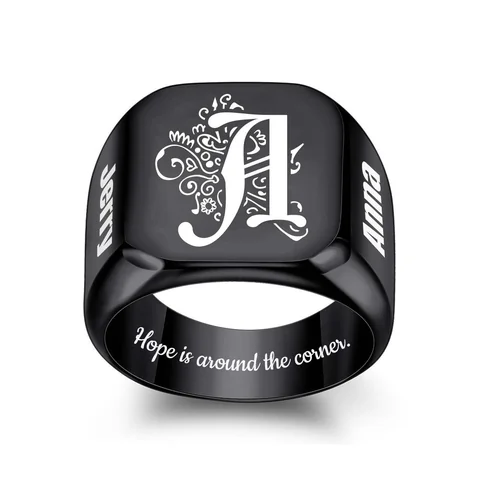
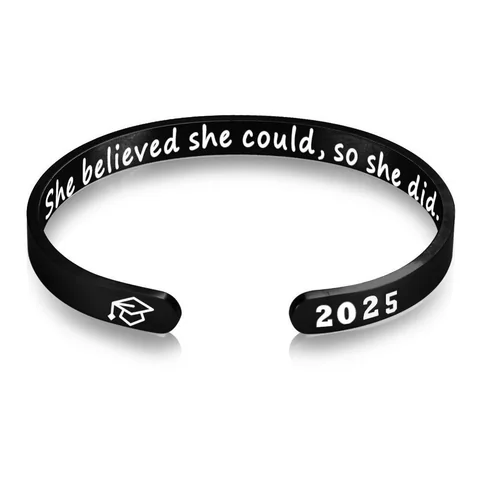
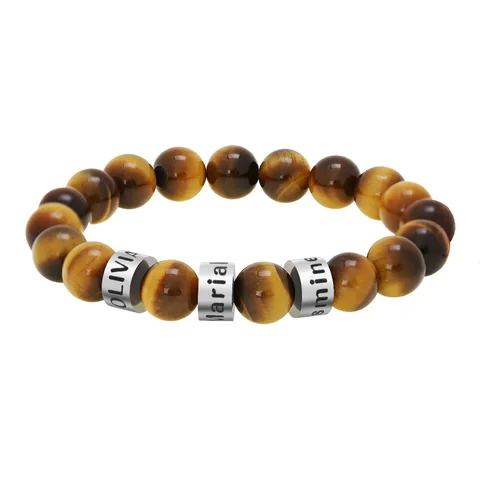
Do not choose from a list of lengths until you know what those lengths describe. When a size chart is missing, ask for the same information the chart should have supplied.
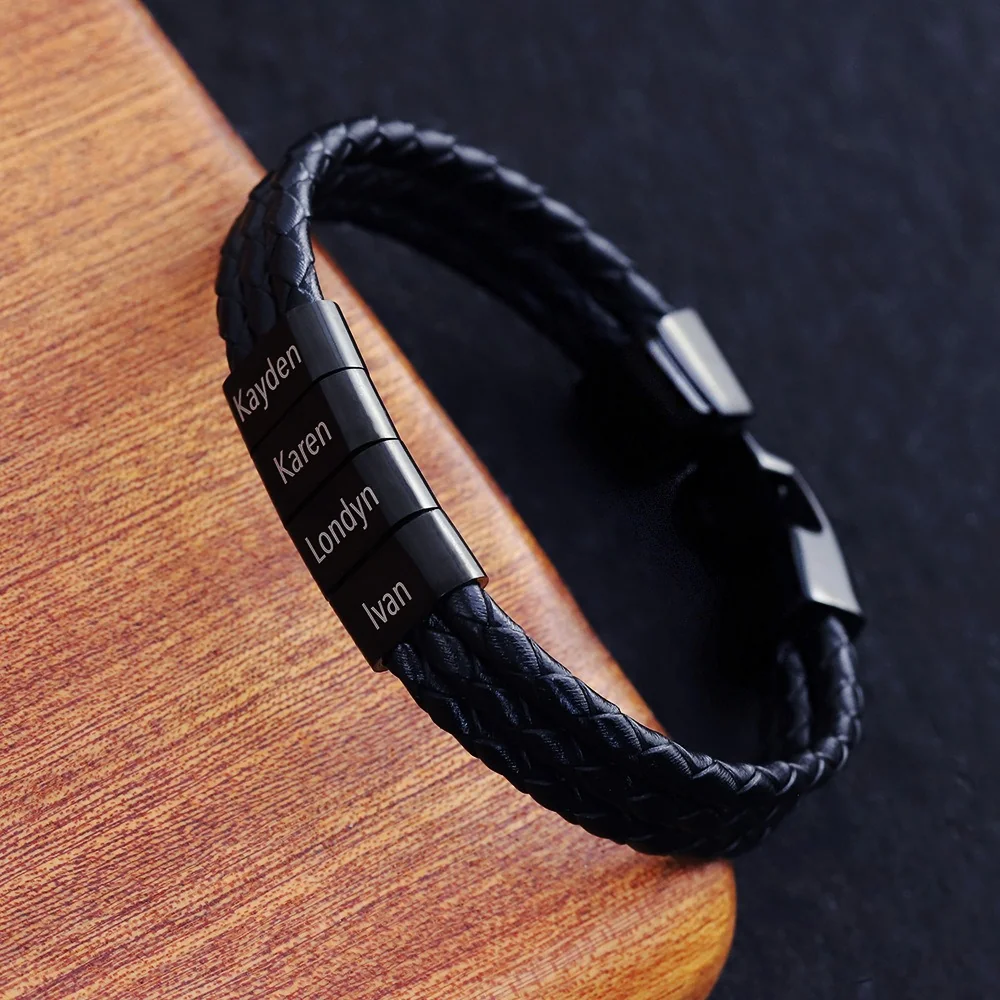
Send one complete sizing question
An original request is:
“For this exact product and option, please provide the finished measurement, how it is taken, whether the closure is included, and the wrist range it is intended to fit. My wrist circumference is [your measured value and unit]. Please explain any approved adjustment.”
Replace the bracketed field with a real reading before sending. Do not add a guessed allowance to create a product size.
Check whether the answer resolves the question
“Standard size” does not define fit. A bare number does not explain whether the piece was measured inside, outside, or laid flat. An answer for another product also leaves the question open.
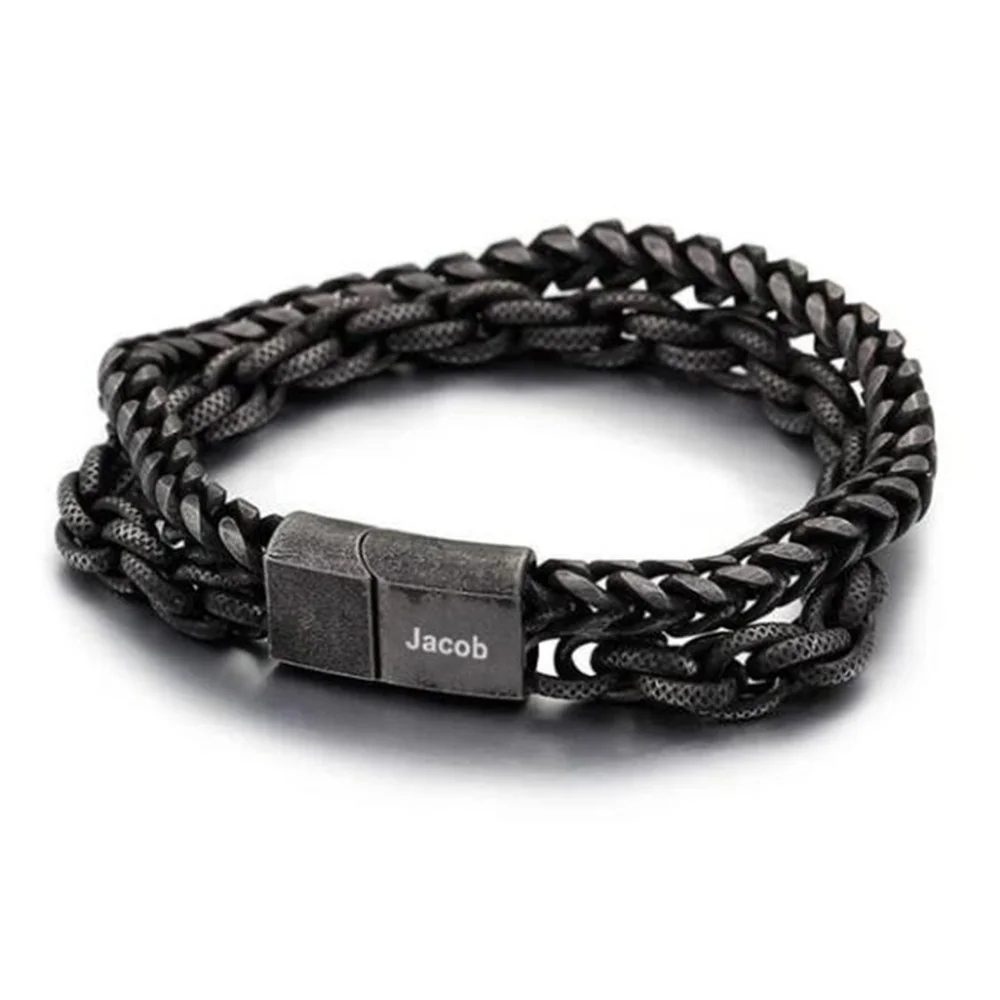
For The Family Bracelet and The Double Chain, keep an unanswered field marked as not supplied. If timing requires a decision before the sizing information arrives, remove the uncertain option from the shortlist rather than treating the nearest number as confirmation.
A useful sizing reply should let you identify a supported option, or explain why none is appropriate. It should not require you to infer the construction from the gallery.
Build the missing chart as a question sheet
Start by saving the exact product and option you are considering. Include the selected configuration if the design uses separate name elements. Then create fields for the dimension quoted, the measurement endpoints, the condition of the piece during measurement, the intended wrist range, and any supported adjustment. The sheet does not become an official chart; it organizes the information you need from the seller.
Put your actual wrist circumference in a separate wearer field. Add the unit, intended wrist, and preferred wearing position. If that measurement is not available yet, mark it unmeasured and complete it before asking for a recommendation. A well-written question cannot produce a specific fit answer when the wearer value is still a guess.
Copy existing listing wording into a source field without correcting it to sound more complete. If it says only “medium,” keep that label and ask what it means for this version. If it provides a length but no endpoints, preserve the length and leave the definition blank. This makes the missing information visible rather than hiding it behind your interpretation.
Distinguish partial answers from complete ones
A reply may resolve the unit while leaving the quantity unclear. It may define overall length while providing no intended wrist range. It may describe a standard version while your requested configuration is different. Mark each field individually so a useful partial answer is retained without treating it as a finished recommendation.
An answer is more useful when it connects the exact option to the measured wearer value. “This version is intended for the following wrist range” addresses a fit relationship, while “this is our popular size” does not. A range still needs to belong to the same construction and configuration. Do not attach a reply for a visually similar product to the candidate you are actually evaluating.
If the text and a dimension image conflict, save both. Quote the two statements in a focused follow-up and ask which applies to the chosen option. Do not average different dimensions or discard the less convenient one. The discrepancy is part of the decision until it is resolved by an identifiable specification.
Use a fictional exchange to avoid repeated questions
In this fictional example, a wearer has a wrist circumference of 18 cm and wants a bracelet with three separate names. The first seller reply gives a product length but no measurement method. The wearer updates the length field and sends one follow-up: “Is this the open overall length including the closure, and what wrist range does the finished three-name version support?”
The next reply describes a one-name reference. The wearer notes that the measurement may belong to a different configuration and asks whether the same definition and range apply to the three-name version. They do not restart the entire discussion or pretend that no information has been received. Their question sheet shows exactly which mismatch remains.
If the seller cannot supply the configuration-specific relationship, the wearer can move to a different candidate with a documented sizing route. The original piece remains a design reference. This decision does not require judging the seller's intentions; it follows from an unanswered fit field that matters to the wearer.
Finish with a comparable shortlist
Use the same fields for each candidate, but retain each product's own measurement definition. One design may have an open-length specification, another an interior dimension, and another a manufacturer-defined wrist range. Comparable records do not require identical construction. They require an explicit explanation of how each option relates to the wearer.
Keep customization approval separate from sizing completeness. A preview can display three correctly spelled names while the finished arrangement remains undefined. Leave the size decision open even if the text is ready. Your completed shortlist should show supported choices and unresolved ones clearly enough that a deadline does not silently turn missing information into permission to guess.