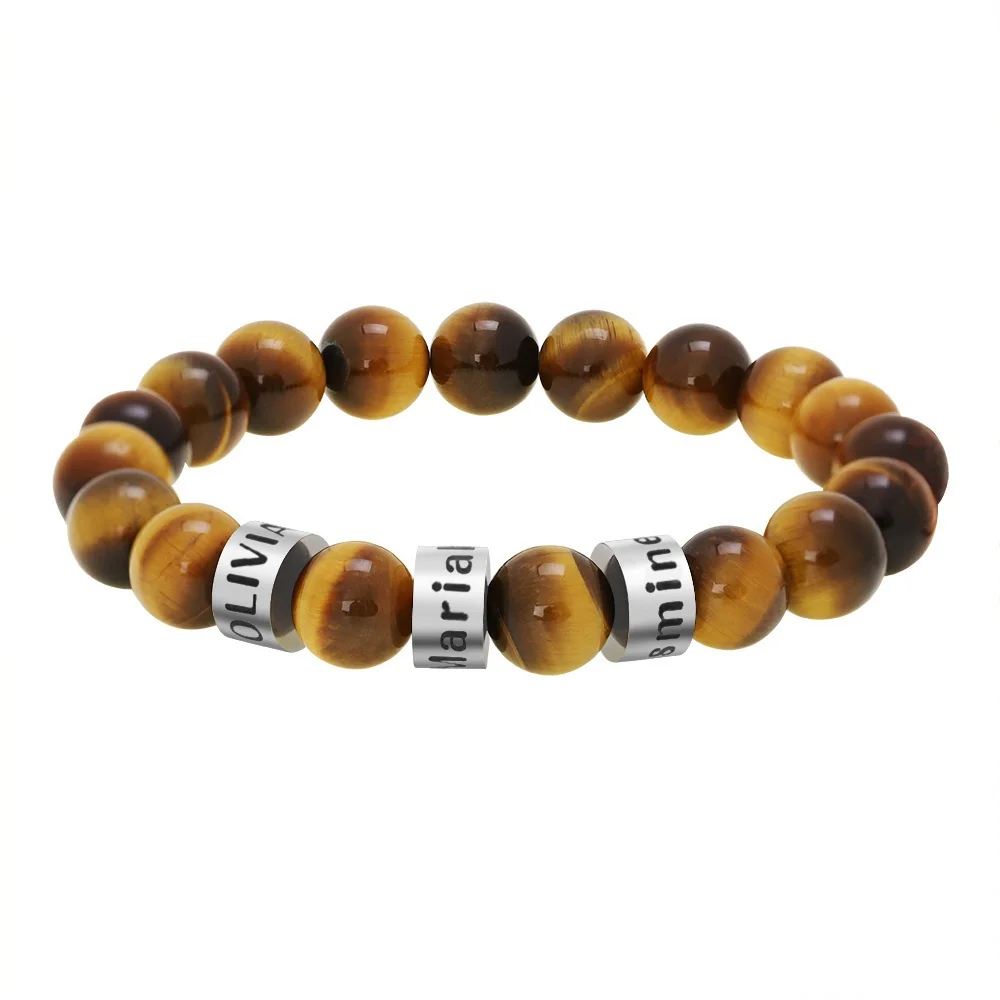
Plan where each piece sits before deciding that the bracelet and watch belong on the same wrist. Separate wrists are a useful option when a same-wrist arrangement feels visually crowded or creates unwanted contact.

Sketch two possible layouts
Draw one arrangement with the watch above the bracelet and another with each on a different wrist. Mark the watch case, clasp, and any bracelet panel as possible contact points. This is a planning sketch, not a wear test.
Check the watch and sleeve you actually use. A wide watch strap and an already busy shirt can change the visual choice even if the bracelet looks appealing alone.
Keep style and fit decisions distinct
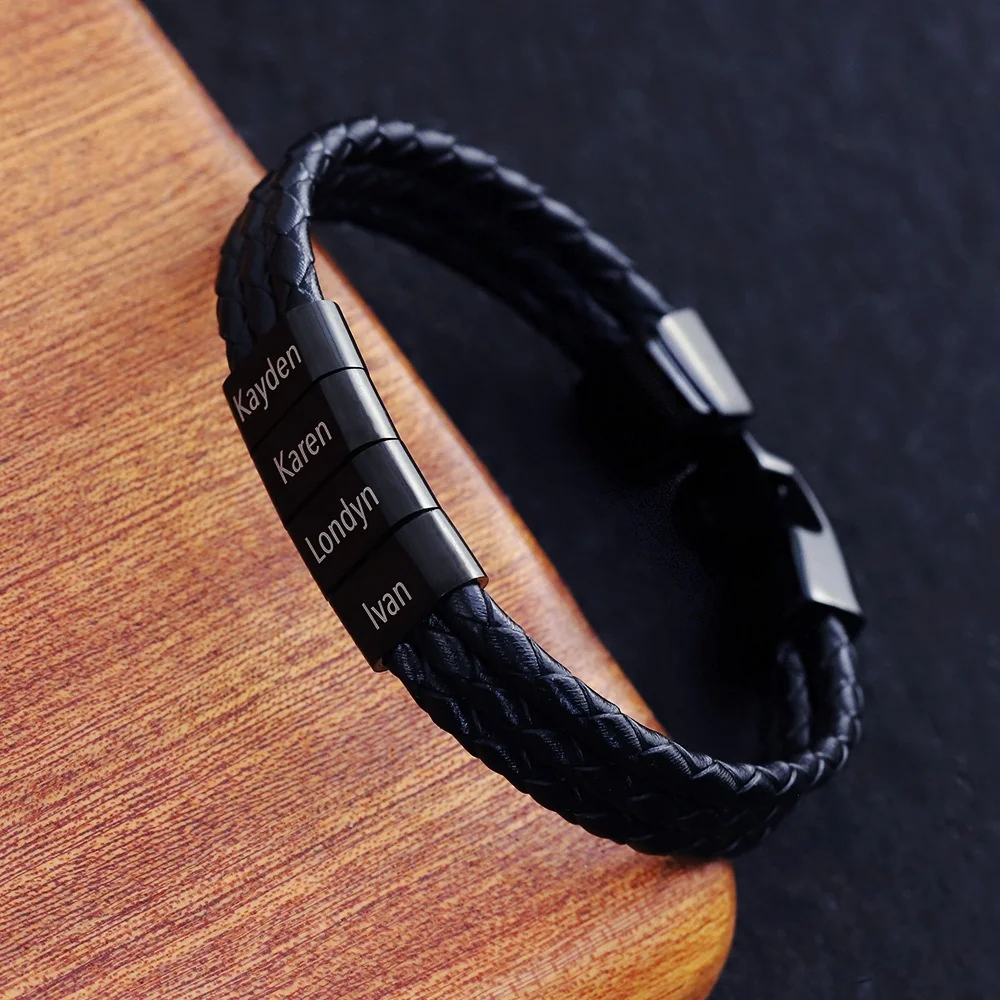
Use The Double Chain and The Family Bracelet to compare outlines. Request actual dimensions and care information before deciding whether the pieces can share space without unwanted contact.
Do not invent a universal gap in millimeters or guarantee that stacking cannot mark either surface. The wearer can record their preferred arrangement, while the product specifications answer the construction and care questions. Start with one bracelet rather than changing several accessories at once.
Start with the watch arrangement you already use
Record which wrist normally carries the watch, how you fasten it, and which sleeve you usually wear with it. Keep those observations separate from the bracelet decision. Changing the watch, sleeve, and bracelet together can make it difficult to identify which addition creates the crowded appearance you want to resolve.
Look at the visible outline of the watch case and strap. Decide whether the bracelet should repeat that outline, introduce another texture, or remain a quieter detail. A large clasp or repeated name elements can compete with the watch face even when the bracelet's main strand looks narrow. Compare the whole design rather than its most understated section.
Compare same-wrist and separate-wrist plans
Use a simple sketch or reference arrangement to show where each piece is intended to sit. Mark the case, watch clasp, bracelet clasp, and personalized region. This is an editorial map, not proof of clearance. The purpose is to make the intended relationship visible so dimension and contact questions can be asked precisely.
A separate-wrist plan can preserve both designs as visible choices without requiring them to share one area. A same-wrist plan needs its own assessment of actual fit and contact. Neither is a universal styling rule. Keep the plan you prefer, and record the specific construction information it needs.
Gather comparable dimensions
| Measurement question | Why it belongs in the plan |
|---|---|
| Bracelet's widest component | Identifies the actual outline beside the watch |
| Bracelet's relevant thickness | Adds information a flat image cannot show |
| Finished fit or wrist range | Addresses where the piece may sit |
| Watch case and strap outline | Describes the accessory already present |
| Closure location | Identifies another possible contact area |
Use approved product values where available, and retain supplier-reported values with their attribution when approval is missing. Measure your existing accessory with its unit and method if that information helps the comparison. Do not derive a safe gap or fit recommendation from a resized catalog photograph.
A fictional watch-and-bracelet comparison
In this fictional editorial example, Chris wears a dark watch on the left wrist and wants family names visible. The first visual plan places a multi-name bracelet beside the watch. Chris notices that the names and watch face compete for attention, so a second plan moves the bracelet to the right wrist.
Chris prefers the second plan visually, but still needs the bracelet's fit, dimensions, and care information. The preference does not establish that the piece will remain in place or avoid every contact mark. Chris records “separate wrists preferred” and leaves the product specification questions open.
Another fictional wearer wants the linked outline close to the watch rather than the text as the focus. That person may prefer the same-wrist sketch, but must still evaluate the actual arrangement after its individual specifications are settled. The two preferences should not be combined into a rule about which wrist every bracelet belongs on.
Review contact using the actual pieces
Once applicable specifications and fit are available, the wearer can observe the arrangement during ordinary intended use. Note where components rest and whether an unwanted contact occurs. Do not force the accessories together, perform a scratch test, or treat a brief observation as durability testing.
If the bracelet and watch touch in a way you do not want, revise the arrangement or choose separate wrists. Do not add an unverified barrier, coating, or modification to make the plan appear settled. The styling decision can change without altering either accessory.
Keep the message and the watch readable
If names are the reason for the bracelet, check whether the preferred position leaves them visible enough for the wearer's goal. If the inscription is intended to be private, visibility may be less important than the outline. Record that priority before making another layout change.
The final plan can contain the chosen wrist arrangement, the visual focal point, the components that need measurement, and any observed contact. This is a specific comparison the wearer can revisit when changing the watch or shirt. It avoids declaring a universal stacking distance or promising that either surface is protected from all wear.