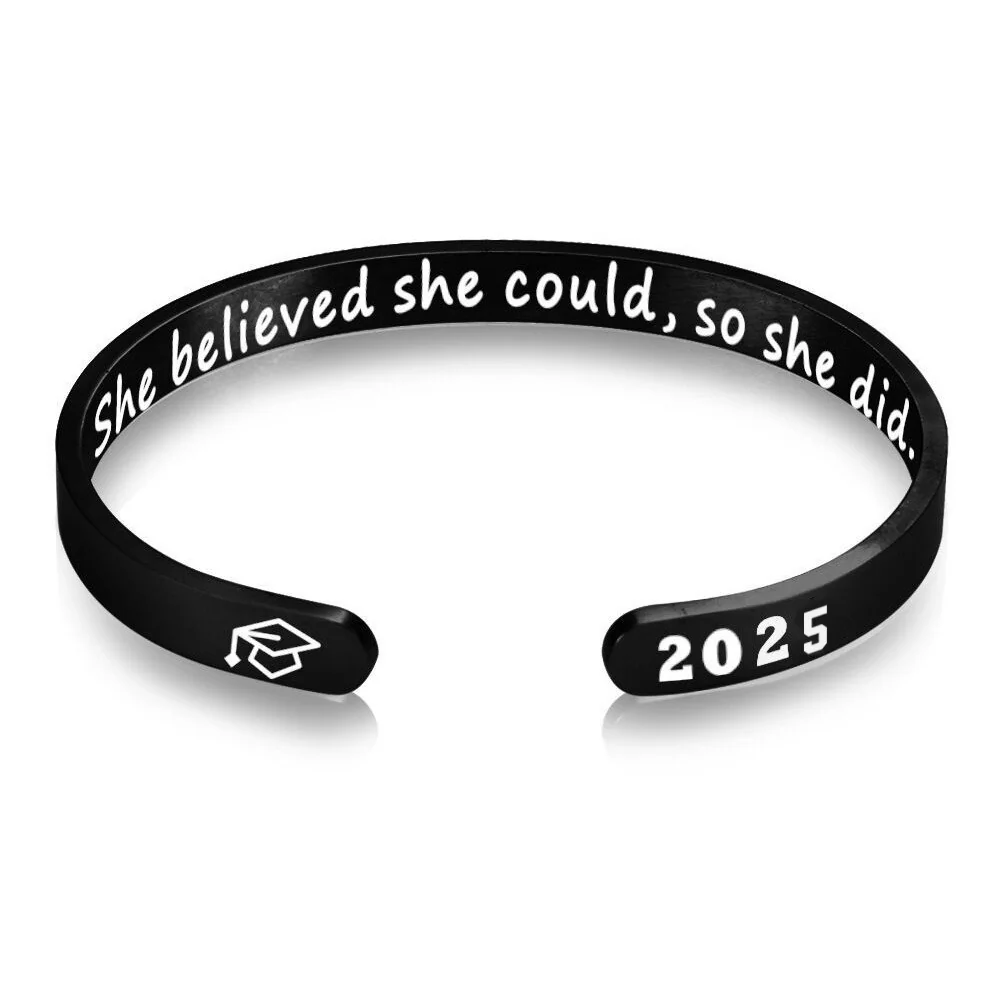
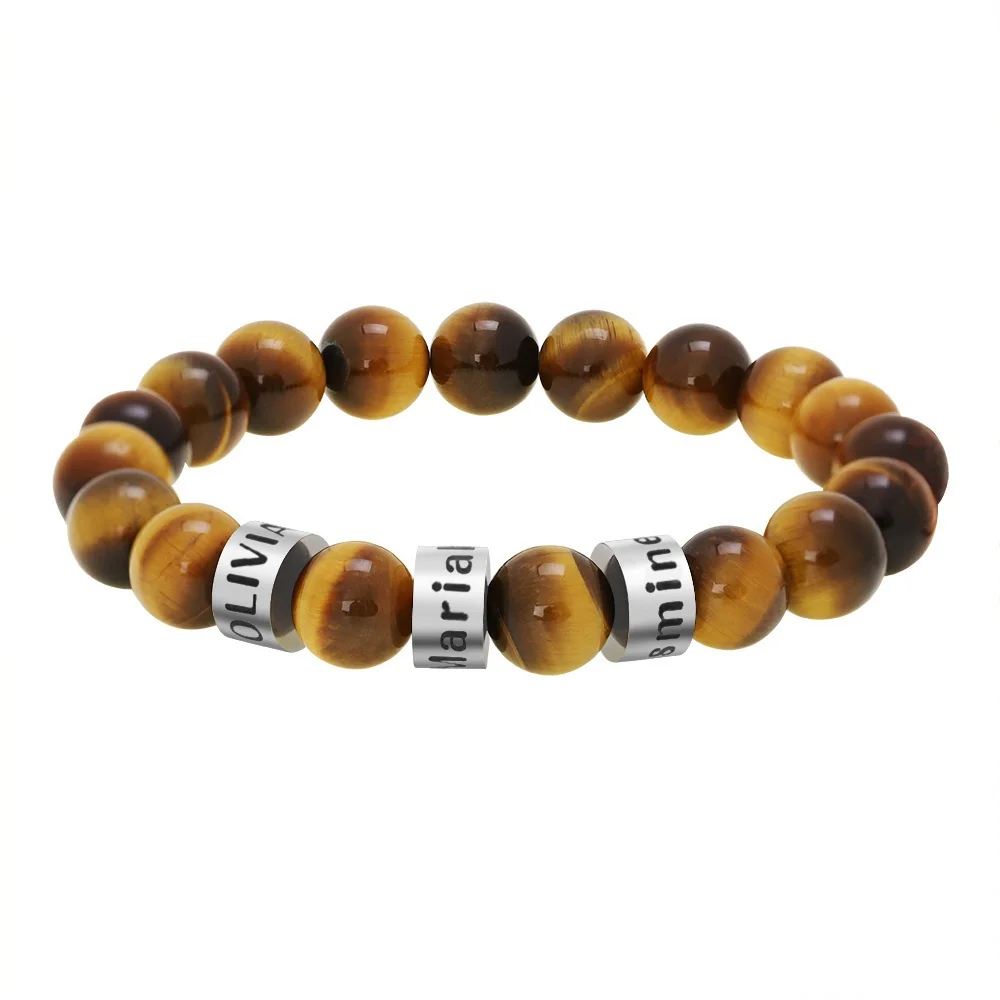
An existing bracelet can provide a useful reference if you record what you measured and why you like its fit. Its labeled size alone is not enough.

Start with a fit note
Write where you wear the bracelet and what happens during an ordinary activity. “Stays at the wrist while typing” is a preference; “20 cm” is a number. Keep both if they are actually known.
If your existing bracelet normally opens and can lie flat without forcing it, place it beside a ruler and photograph the endpoints you used. State whether the closure is included. Do not stretch an elastic strand, bend a cuff, or dismantle links for this comparison.
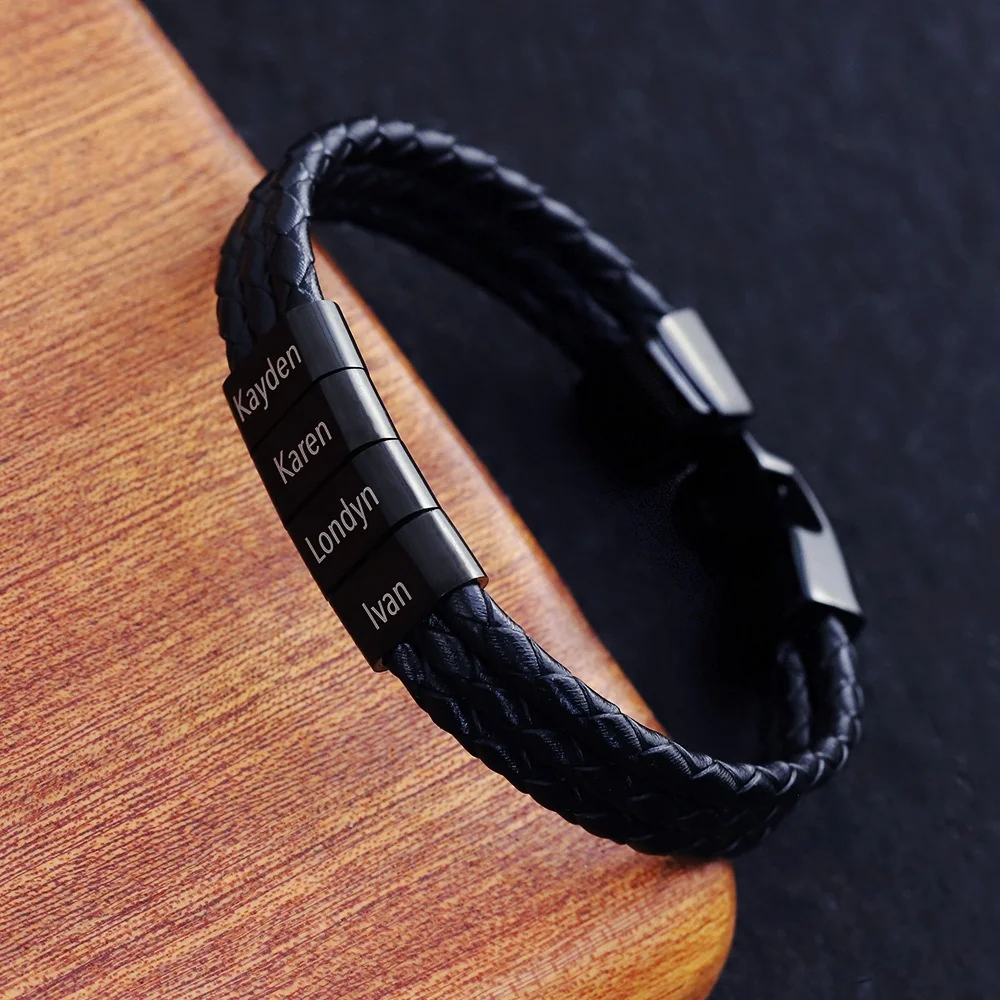
Compare like definitions
Send the seller your measurement photograph, wrist circumference, and fit note. Ask how their measurement definition differs. A laid-flat outside length cannot simply be treated as an inside wearing circumference.
For The Double Chain or The Family Bracelet, the useful result is a comparison the supplier can explain for the exact option. If the existing piece cannot be measured reliably at home, retain the qualitative fit note and seek a product-specific sizing method.
Do not select the nearest listed number until the two measurement definitions have been reconciled.
Choose a reference for its actual fit
Select the bracelet you wear comfortably on the same intended wrist. An unused gift still in a drawer may have a clear size label but no useful wearing history for this decision. If your favorite piece is loose in one setting and close in another, record the setting you actually use. The label on the package does not establish the setting's usable measurement.
Describe its structure before opening it. Note whether it is a flexible chain, a braided band, a bead arrangement, or a rigid open shape. Identify the part that normally opens, if there is one, and use only that normal opening action. If you cannot identify the closure confidently, leave it closed. This reference exercise should document the piece, not require changing or dismantling it.
Write one positive fit observation and one limitation. For example, an editorial fit note might say “I like where it sits while typing, but it slides farther than I want when my arm hangs down.” Those are the wearer's observations about their own existing bracelet. They are not a review of the candidate or a general promise about bracelets with similar photographs.
Photograph a measurement with defined endpoints
If the piece lies flat naturally when open, place it on a flat surface beside a ruler. Align the ruler with the path you are actually measuring. Identify the starting and ending points in a separate annotation or note. Do not let the ruler obscure the closure, because that is often the part another reviewer needs to understand.
A ruler photograph should retain enough surrounding context to show the whole measurement. A close crop containing only the middle of the ruler cannot explain where the ends of the bracelet were placed. Keep the full photograph and any enlarged detail separately. State whether the result is approximate if the endpoint falls between divisions or the piece will not stay flat.
For a two-strand design, do not sum the lengths of the parallel parts. For a curved or rigid piece, do not force it into a straight line. For an elastic arrangement, do not pull it until a convenient ruler value appears. If you cannot measure the object without changing its normal shape, describe that limitation and obtain an appropriate product-specific method instead.
Build a comparison record that survives a change of product
Keep four labeled entries: the reference bracelet's construction, the measurement definition, the wearer's wrist circumference, and the preferred fit. A fifth field can name the candidate and its corresponding definition once supplied. This prevents the reference number from being copied into a different product's size field without context.
In a fictional example, a wearer photographs an open bracelet beside a ruler and notes that its closure is included. They like the fit but cannot determine the closed interior space from that photograph. They send the photograph as an open-length reference and supply their wrist reading separately. Their request asks the seller to explain how the candidate's quoted length relates to both pieces of information.
If the seller answers with a measurement for an entirely different closure, the comparison is still incomplete. The wearer can identify the mismatch because the closure definition is visible in the record. If the candidate is a bead bracelet, the open-length reference may help describe preference but should not be treated as a direct measurement of the bead bracelet's interior.
Separate preference from measurement certainty
A confident fit preference does not make an uncertain ruler reading exact. You may know that you like an existing bracelet while being unable to read its endpoints reliably. Preserve that useful preference and label the numerical field approximate or unmeasured. Do not add decimal places to make a blurred photograph appear more precise.
If the reference no longer fits as you want, say so before using it. You may be selecting a different fit rather than duplicating the old one. Write the desired difference in plain language and let the candidate's confirmed sizing guidance address it. The completed comparison should show which aspects you want to retain, which you want to change, and which measurements were actually obtained.