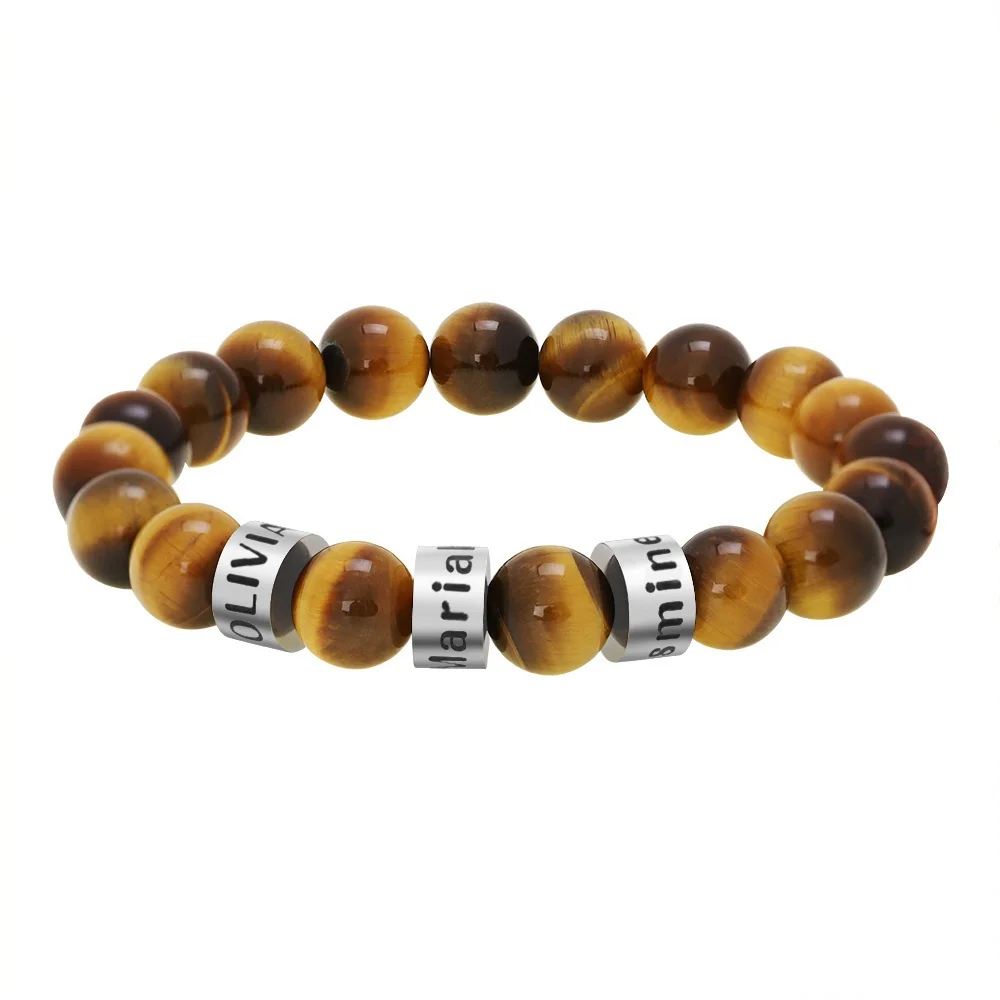
An open cuff and a bracelet with a clasp need different questions. For the cuff, establish how the hand or wrist enters the opening. For the clasp design, establish the steps required to open and close it. Do not decide that one is easier from a still photograph.
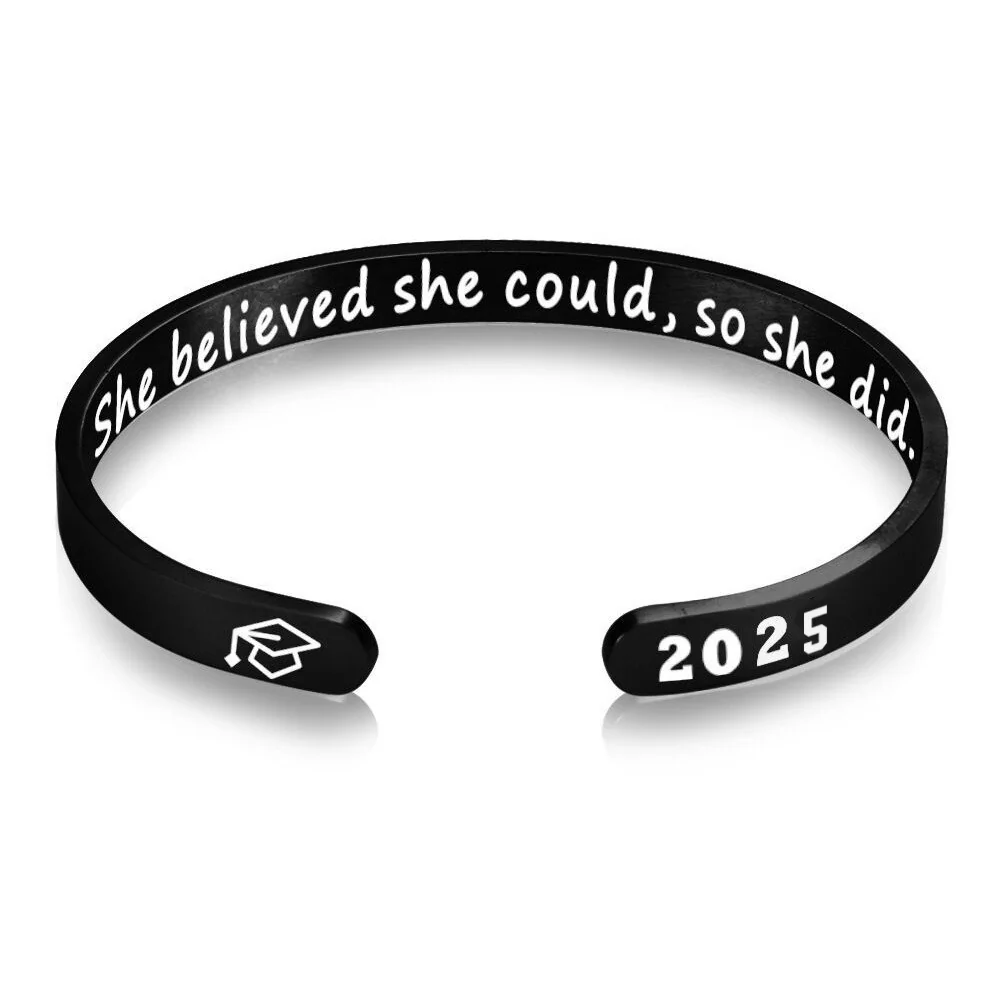
Describe the action you need to perform
Write a short request for the exact design:
“Please show this version being put on and removed. For the cuff, identify the opening measurement and the intended entry method. For the clasp, show the opening and closing steps. Please say whether any adjustment is approved.”
If one-handed use matters, add that requirement explicitly. A demonstration on another person's wrist can show the procedure, but it cannot confirm your fit or dexterity.

Keep three measurements separate
The original supplier text for the Open Cuff lists an approximate diameter of 65 mm. Diameter is not wrist circumference, and that figure is not the gap measurement. Request a dimensioned view identifying which distance it describes.
For the Double Chain, ask whether a stated length includes the closure. A usable comparison needs both the finished dimensions and the putting-on procedure.
If the seller cannot supply the entry or closure information, keep the design off a fit-dependent shortlist. Attractive lettering cannot resolve an unknown opening.
Think through the sequence, not just the finished look
Describe putting on the bracelet as a sequence of actions. Where does the other hand hold it? Which part has to move? What tells the wearer that the closure is fully engaged? A useful demonstration answers those questions slowly enough that the action can be understood. A video that begins with the bracelet already fastened leaves the most important step unexplained.
For a cuff, ask the seller to point to the entry gap and explain the intended orientation. The visible gap is not an instruction to pull the ends apart. If entry depends on moving the cuff into position in a particular way, that procedure needs to be stated for the actual design. Treat an unclear demonstration as an unresolved question rather than improvising a method.
Add the wearer's practical requirement
A fictional planning brief might read: “The wearer usually fastens jewelry without help and does not want to adjust a cuff each time. Please identify a version that can be used as intended without repeated bending.” This is a requirement, not an assertion that either reference already meets it. The response should explain a procedure and identify a configuration.
Another brief might prioritize removal before a scheduled activity. In that case, ask how removal works as well as how fastening works. A design can look simple when closed while still requiring a sequence the wearer dislikes. Do not describe it as effortless until the procedure has been demonstrated and is suitable for the individual.
A third situation involves a gift recipient whose preferences are unknown. Ask them about the action they prefer using a bracelet they already own. You do not need to disclose an inscription to ask whether a clasp or an open shape feels more familiar. Familiarity helps narrow the question, although it does not establish the fit of a new piece.
Read dimension labels literally
A dimensioned view should show the distance being measured, the unit, and the selected version. An overall diameter, an interior width, an entry gap, and a band width can all appear in one diagram. Write each beside its own label. If a supplier gives a diameter without identifying whether it is interior or exterior, ask for that distinction.
For a clasp bracelet, distinguish a stated end-to-end length from its usable closed circumference. Ask whether the closure is included in the listed figure and whether a curved panel affects the fit information. You are collecting definitions, not calculating a guaranteed fit from an unlabeled number.
Keep an existing wrist measurement separate from every product dimension. A familiar bracelet can provide another reference, but its measurement method also needs to be recorded. Comparing an outside length with an inside opening does not solve the same fit problem.
Make the answer specific enough to review
A useful reply would identify the exact bracelet, show its entry or fastening action, and label the relevant dimensions. If adjustment is allowed, it should also explain the permitted adjustment for that version. A general statement that the bracelet is adjustable does not answer whether bending, an extension, or another mechanism is intended.
Review the answer against the original need. For a one-handed requirement, a two-handed demonstration leaves the requirement open. For a no-bending requirement, an unexplained cuff opening leaves the requirement open. Ask one focused follow-up instead of accepting a broad assurance.
Once the action is understood, return to the engraving placement. Text on an inside surface may require removing or turning the piece to read it. Decide whether that is the experience the wearer wants. The opening method, fit information, and reading position together determine whether the design belongs on the shortlist; the photograph alone supplies only part of that decision.