Use 2.54 centimeters per inch and keep the original reading beside the conversion. The NIST metrology reference gives the inch as exactly 25.4 millimeters.

Convert once and label the result
| Original reading | Converted value | Meaning |
|---|---|---|
| 7 inches | 17.78 cm | Arithmetic example |
| 7.5 inches | 19.05 cm | Arithmetic example |
| 18 cm | About 7.09 inches | Rounded conversion of the original value |
Multiply inches by 2.54 to obtain centimeters. Divide centimeters by 2.54 to obtain inches. Do not round an intermediate value and then convert it again; repeated rounding can change the final number.
Preserve the measurement's identity
Write “wrist circumference, 7 inches / 17.78 cm” when that is what you measured. Do not relabel it “bracelet size 17.78 cm.” Conversion changes units, not the physical quantity.
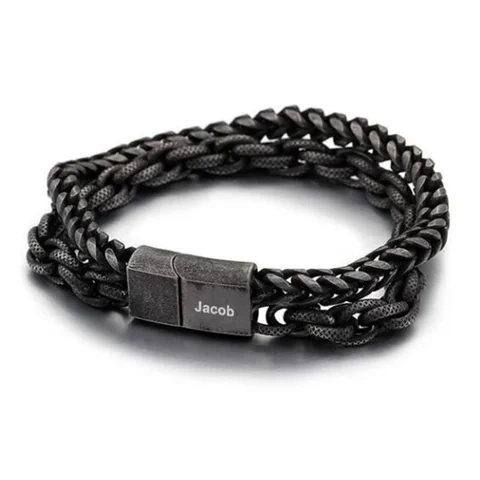
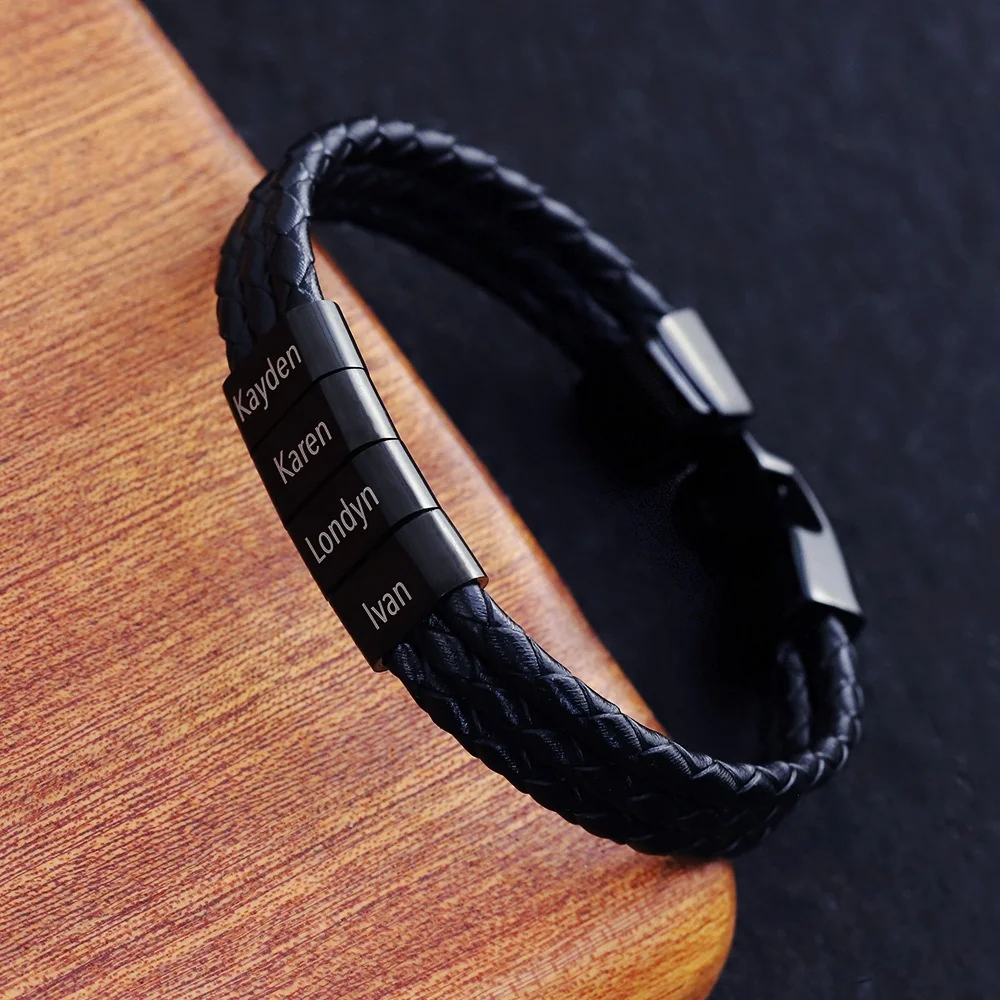
For The Double Chain or The Family Bracelet, ask for the seller's measurement definition and fit range after supplying the reading. The table above is not a product-size chart or a recommendation to choose the nearest option.
Set up the calculation before touching the calculator
Write the original number and unit on one line. On the next line, name the physical quantity: wrist circumference, overall open bracelet length, or a defined supplier dimension. Then write the conversion direction. This short setup stops a common mistake in which a correctly converted number loses its original meaning during a shopping comparison.
For inches to centimeters, your calculation line can read “original inches multiplied by centimeters per inch.” For centimeters to inches, it can read “original centimeters divided by centimeters per inch.” Check the direction with a simple reference: one inch corresponds to more than one centimeter. If an inch reading becomes a smaller centimeter number, the operation has been reversed.
Keep the conversion factor separate from any fit allowance. Converting a wrist reading does not add wearing space, account for a closure, or change a bracelet's structure. If you later receive an approved product recommendation, place it in another field. A calculator can transform units accurately while the fit question remains unanswered.
Read fractions carefully
An inch ruler may use fractional divisions. Record the reading you actually saw before changing it to decimal form. One quarter of an inch is 0.25 inch, one half is 0.5 inch, and three quarters is 0.75 inch. These are arithmetic relationships, not recommended measurement increments or bracelet sizes.
For a hypothetical reading of seven and one quarter inches, first write 7.25 inches. Multiplying by 2.54 gives 18.415 centimeters. If you show two decimal places, the displayed conversion is approximately 18.42 cm. Keep the original fractional reading alongside it so a later reviewer can see where the number came from.
Do not read seven and a quarter inches as 7.4 inches. The quarter is a fraction of one inch, not the fourth tenth of an inch. If you are unsure which ruler mark you used, revisit the original measurement rather than asking the conversion to resolve it. The arithmetic should begin after the reading is identified.
Avoid a loop of rounded conversions
Start each conversion from the original reading. For example, 18 cm divided by 2.54 is approximately 7.0866 inches, which might be displayed as 7.09 inches. Multiplying the rounded display back by 2.54 produces 18.0086 cm. The tiny difference comes from rounding; it does not mean the original wrist changed or that a new measurement was taken.
If a form requests fewer decimal places, retain the detailed source reading in your private note. Label the submitted value as rounded where the form allows an explanation. Do not overwrite the original with the form's shortened display. That distinction becomes useful if you later compare a specification expressed in the other unit.
More digits in the result do not create a more accurate measurement. A paper strip read approximately to a ruler division remains approximate after conversion. Write “approximately” when that describes the original. The exact conversion factor is useful, but it cannot correct a twisted strip, an unclear mark, or a different wearing position.
Use one audit line for every comparison
In this fictional example, a wearer starts with “wrist circumference: 7.25 inches.” Their note adds “converted: approximately 18.42 cm; source reading retained.” A candidate listing separately says “bracelet length: 20 cm,” with no measurement definition. The wearer does not subtract 18.42 from 20 and call the difference a confirmed allowance, because the two fields still describe different things.
An effective audit line contains the original value, original unit, quantity, calculation direction, displayed conversion, and rounding note. If any of those fields is missing, correct the record before sending it onward. Your result should let another person reproduce the arithmetic and identify exactly what was converted. The separate sizing decision then begins with an accurately labeled value rather than a number detached from its source.
Check copied values before submitting
Compare your completed form with the private record after entering the value. Confirm that the selected unit matches the number, especially if the form has a unit menu separate from the entry field. If the interface changes units automatically, inspect the new value rather than assuming that it preserved your input correctly.
Keep the screenshot or written submission beside the original reading when the sizing discussion depends on it. If a later reply quotes a different number, you can identify whether the discrepancy began in your measurement, conversion, entry, or the seller's response. Resolve that discrepancy before evaluating a product option; otherwise, you may receive an accurate recommendation for a measurement that belongs to no one in your brief.