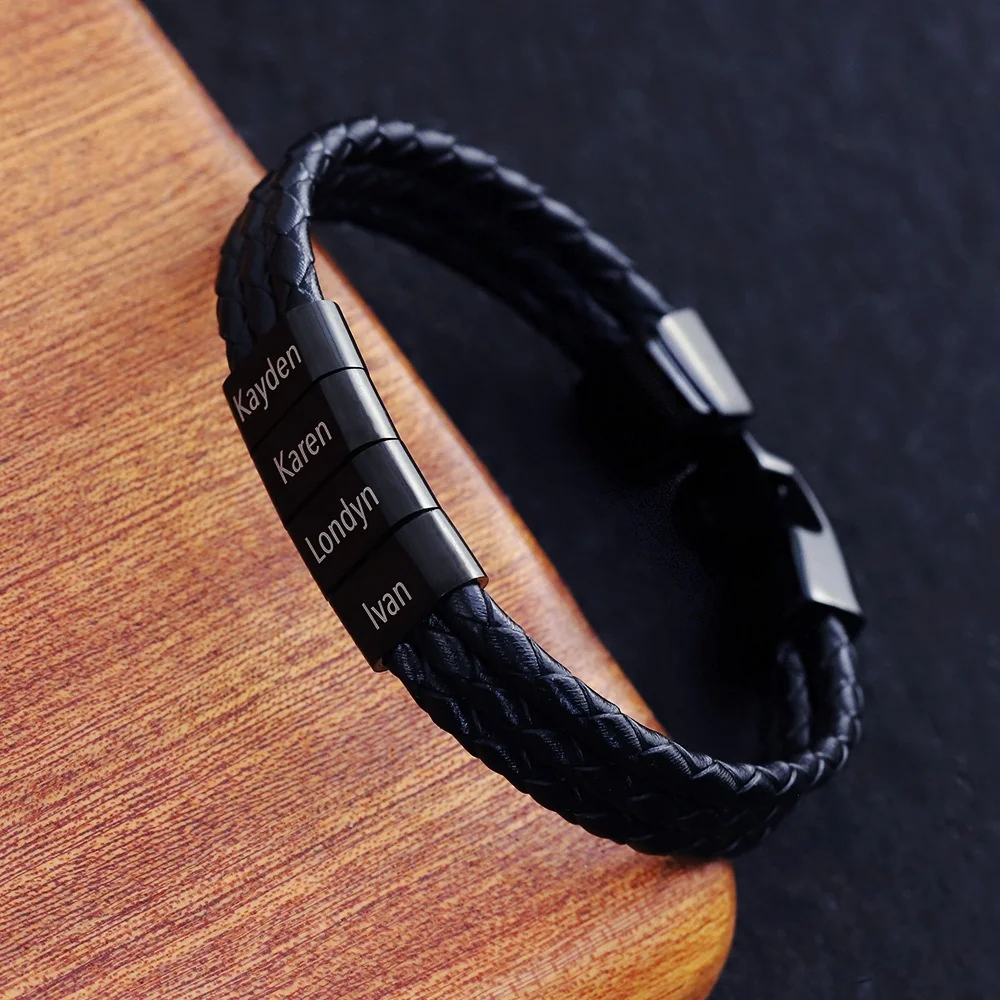
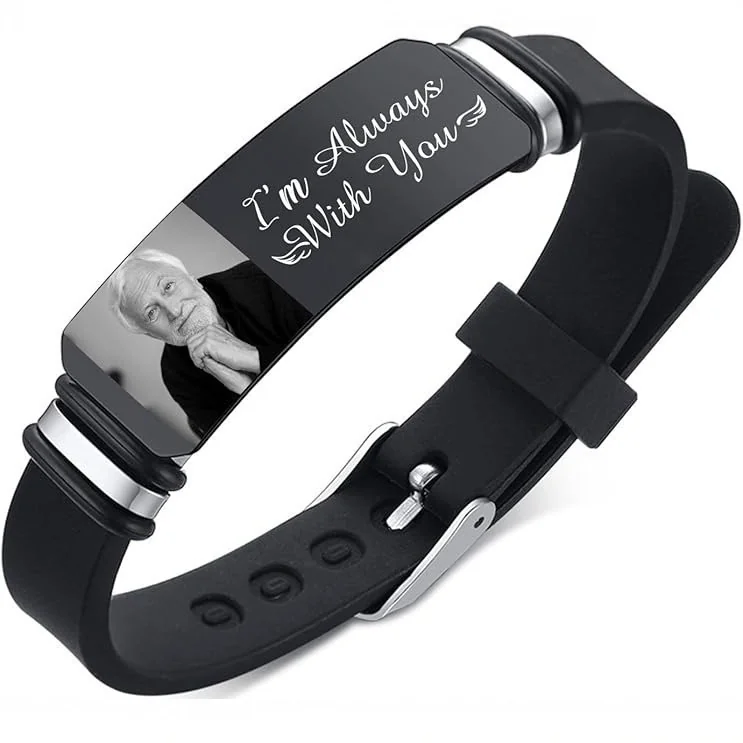
Use three separate fields: what the part is made from, how its surface is treated, and what color it appears. One field should not silently answer the others.
Ask component-specific questions
| Field | Example question |
|---|---|
| Material | What is the named material of this exact component? |
| Finish | What surface treatment applies to this option? |
| Color | Which offered color matches the selected version? |
Keep supplier-reported values labeled with their source and date. Independent inspection is a separate evidence category.
Compare only what is actually known
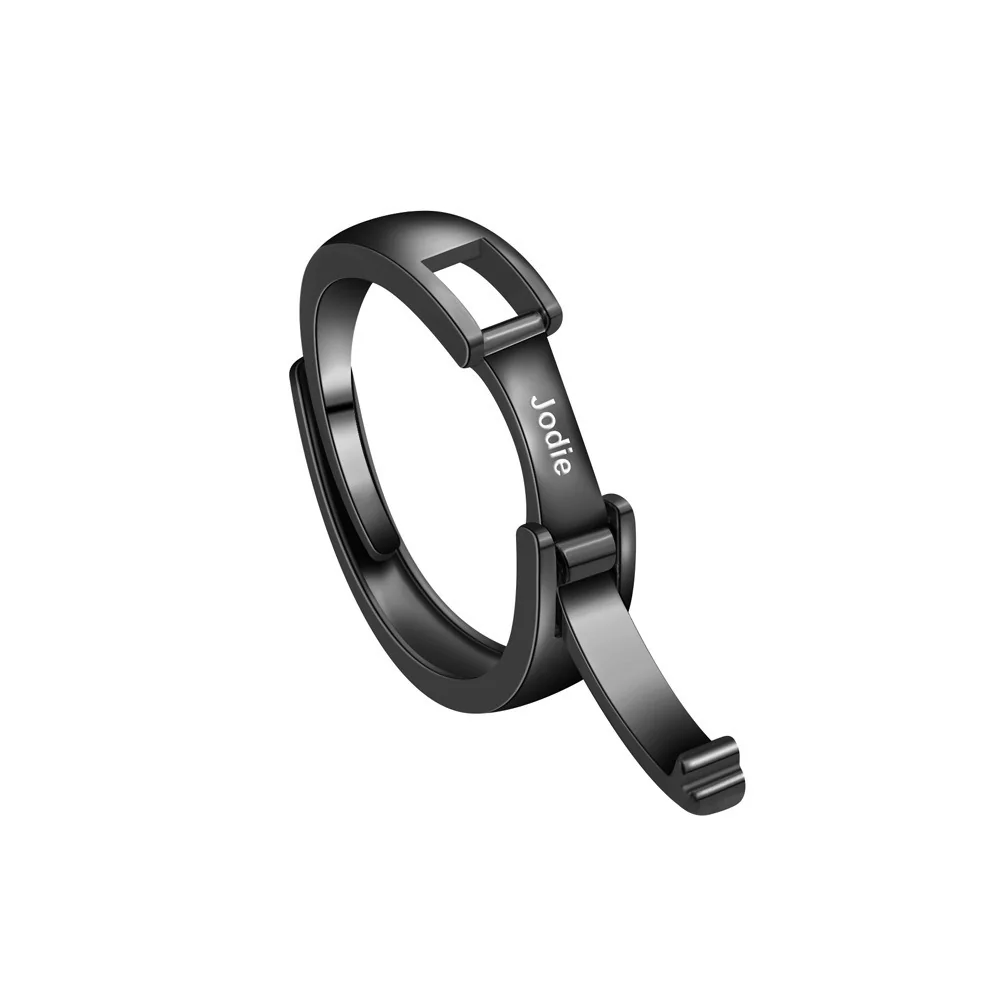
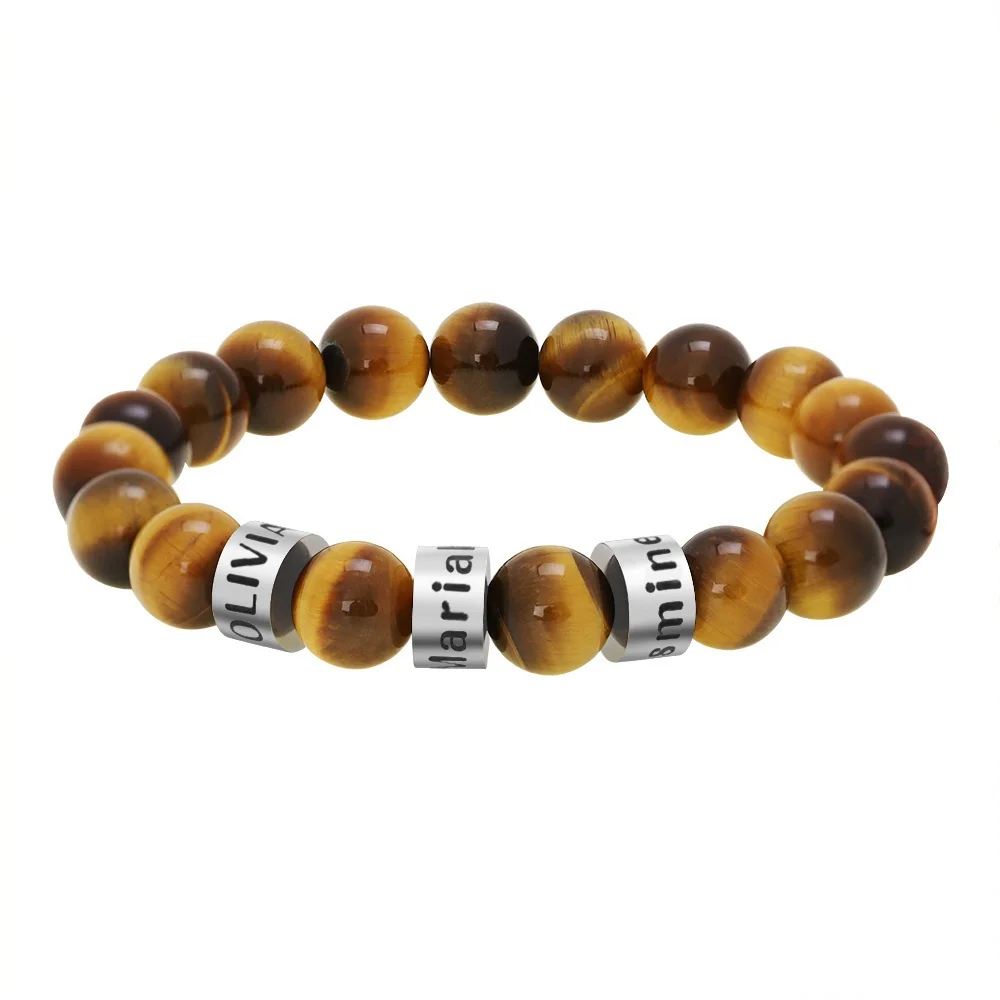
For The Name Ring or The Name Bead Bracelet, do not use “silver-colored” as proof of silver or a dark band as proof of leather. If a source names a material without identifying the part, request that missing scope.
The completed record can support a more accurate comparison later. Until then, a color preference is still useful, but it cannot establish allergy safety, water resistance, fading behavior, or a care method.
Write a three-field record before comparing products
Start with one component of the selected piece and create separate entries for material, surface treatment, and visible color. Add the source and date beside each entry. You do not need to complete the fields from observation. If a field is unknown, leaving it open is more accurate than copying a word from another column.
For a mixed-component design, repeat the record for the relevant parts. A band, name element, and closure can have different statements attached to them. Do not let a material entry for one component become a whole-product description simply because the listing has only one broad attribute field.
Keep the wording at its original evidence level
A supplier statement can be recorded as supplier-reported. A visual description can be recorded as observed in the image. An independently verified specification would be a separate category if it existed. These labels help you compare the information without overstating its certainty.
Do not replace a broad source term with a more specific technical term that the source did not supply. For example, an unspecified dark treatment should remain unspecified rather than becoming a named coating process. A color choice may be clear enough for a visual discussion while the surface-treatment field remains open.
Check the scope of each statement
| Question | Why it matters |
|---|---|
| Which exact component is named? | Prevents one part's material from describing the whole piece |
| Which option does it apply to? | Keeps statements attached to the relevant version |
| Is the wording about composition or appearance? | Prevents color from being treated as material |
| Is the treatment actually named? | Exposes an unanswered finish question |
| Does another source disagree? | Preserves a conflict for clarification |
If the source does not answer one of these, write the missing scope beside the value. A partial record is useful when its limitation is visible. It is misleading when the missing definition is filled by a familiar-looking photograph.
A fictional record comparison
In this fictional editorial example, Jamie compares a dark ring with a bracelet containing several colored parts. The ring's photo supplies a dark appearance, while its exact surface treatment remains unconfirmed. The bracelet has a material statement for a name element but not a complete specification for every visible bead and supporting part.
Jamie records these facts in their respective fields rather than declaring that both designs use the same black material. The visual preference can still favor one outline. A separate request asks for the missing component scope and treatment information needed for a material-dependent decision.
Suppose a reply names a material but gives no option identifier. Jamie retains it as an answer awaiting scope confirmation. A second question links the statement to the intended version before it is used to narrow the comparison. The example reports no inspection or material test.
Connect the fields to the decision you are making
If your question is purely visual, you can compare the appearance while preserving the unknown composition and treatment. If the question concerns a particular care method or exposure, those missing details become decision blockers. State the intended use rather than assuming a material word answers every performance question.
For an inscription request, the process and usable area also need their own confirmation. They should not be inferred from the finish column. A record can contain an attributed material and still lack approval of a text region or manufacturing limit.
When copying a value into the comparison, retain its source location, such as the attribute row or option description. This lets another reader check whether the statement concerns the selected component instead of searching the entire listing and possibly choosing a different claim.
Make a comparison that exposes unequal evidence
When two products have different amounts of information, show that difference. “Material not supplied for this component” is not the same as “different material.” Likewise, matching color descriptions are not proof of matching finishes. A side-by-side record should preserve unknowns rather than forcing the products into apparently complete comparable rows.
Save corrected statements with the earlier source where they address a conflict. Identify which version the correction replaces and what it leaves unresolved. The resulting record lets you distinguish a visual selection from a specification-dependent choice. It supports accurate next questions without promising allergy suitability, water resistance, fading behavior, or a universal care method.