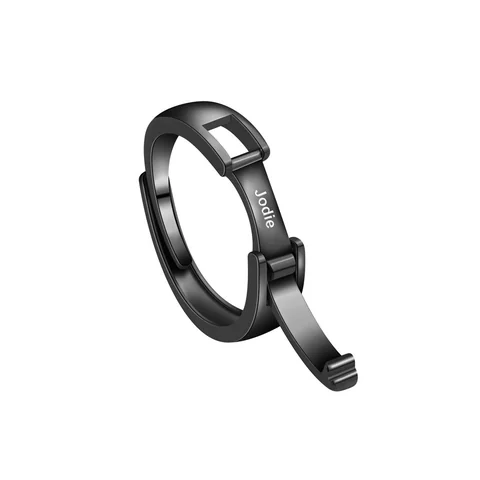
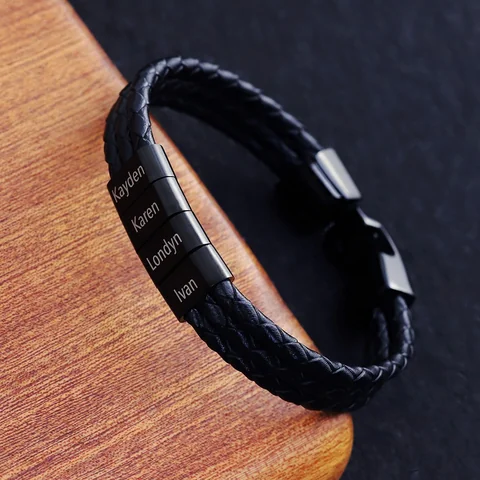
Keep the detail that makes the message yours, then remove the explanation around it. Shortening an engraving should not turn a personal sentence into a slogan anyone could use.

Find the part you would miss
Underline the word or phrase the recipient would recognize. If nothing is specific, add that detail before shortening.
The following are original writing exercises, not customer inscriptions:
| Longer draft | Short jewelry draft | What the card can explain |
|---|---|---|
| Thank you for helping me keep going on every steep climb | One more ridge | The shared activity behind the words |
| No matter where the next road takes you, there is a place here | A place here | The longer welcome |
| I still remember the kitchen light you left on for me | The kitchen light | Why that ordinary detail matters |
Each short version relies on context the recipient actually knows. If the phrase would confuse them, keep a clearer version or put the full message in the card.
Shorten words, not the person's name
Try removing formal openings, repeated promises, and sign-offs before abbreviating a name. Read the edited phrase aloud and ask whether it still means the same thing.
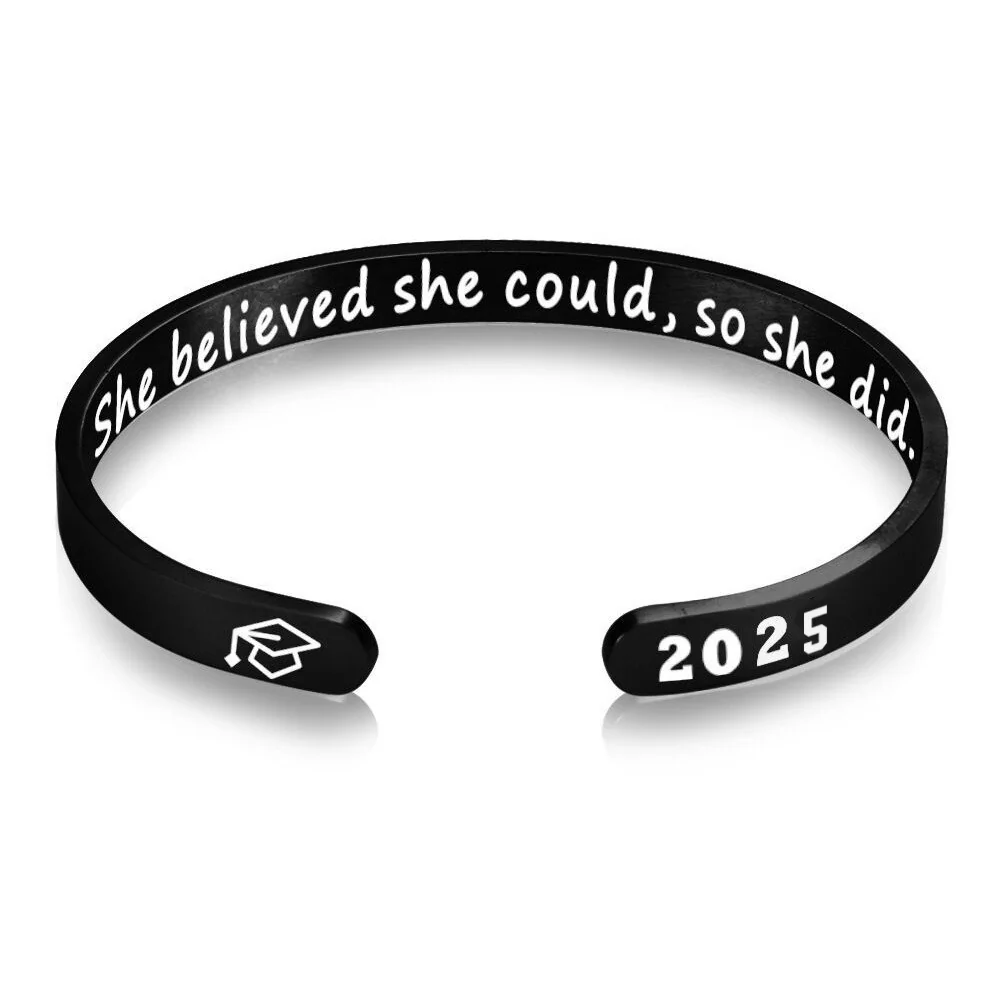
Then request a finished-scale proof for the Double Chain or Open Cuff region you are considering. A long supplier example on one design is not a character allowance for the other.
If the confirmed area cannot hold the important detail clearly, change the design or move the complete thought to the card. Making every word tiny is not the only way to keep the message.
Decide what kind of sentence you are editing
A memory, a promise, and a name list need different editing decisions. A memory may depend on one concrete object or place. A promise may depend on the action being offered. A name list depends on the identities and their intended order. Before deleting words, describe the sentence's job in plain language.
For an original exercise, “Thank you for waiting with me by the station clock” is a memory of a particular moment. “The station clock” preserves the concrete detail but removes the thanks. “Thanks for waiting” preserves the gratitude but loses the setting. Neither is a complete substitute for the original; choose which meaning belongs on the jewelry and explain the other in the note.
Edit in deliberate passes
In the first pass, remove framing that the recipient does not need: a formal greeting, a repeated introduction, or a sign-off that can live on the card. Leave the central image or commitment untouched. This pass can clarify the message without requiring an abbreviation.
In the second pass, look for repeated ideas. If a draft says both “I am here” and “you can count on me,” decide whether both are essential. Keep the wording that sounds natural in your relationship. The shortest available phrase is not necessarily the one you would actually say.
In the third pass, consider a different sentence structure. A sentence can sometimes become a short phrase, but that can also make it more dependent on shared context. Read the phrase as if the card were missing. If it no longer recalls the intended meaning, the edit went too far.
Avoid shortcuts that rewrite the personal detail
Do not remove an accent from a name, invent a nickname, or replace a meaningful place with a convenient initial merely to reduce the count. Those are changes in identity or reference, not neutral trimming. Ask the wearer whether the new version is acceptable.
Likewise, a broad slogan can lose the detail that made the original useful. “Keep going” may be appropriate if it is genuinely the phrase the people use. If the original memory depends on a kitchen light, substituting “keep going” changes the message. The phrase should be chosen for its recognition, not simply for its size.
Watch the strength of a promise. Deleting a qualifier may make the sentence more absolute than intended. Compare the meaning of each version, not just its appearance. If the shorter wording says something you would not comfortably say aloud, choose another edit.
Use the card to preserve what the bracelet cannot carry
Write the card draft at the same time as the jewelry draft. The card can hold the date of the memory, why it matters, and the longer thanks. The bracelet can hold the small detail that recalls it. This division works only when the wearer would recognize the detail on its own.
A fictional paired draft could use “The station clock” on the jewelry and explain the shared waiting moment in the card. A different pair could use “Thanks for waiting” on the jewelry and describe the setting in the note. Put both pairs on paper and choose the relationship you want between the two pieces of writing.
Reconsider the design before cutting the last meaningful word
After making a clear short draft, ask about the selected design's actual text region. If that region cannot support the important detail, compare another supported layout or keep the full message on the card. Do not continue cutting until the text is technically short but personally empty.
Save the original sentence beside the chosen short version and record the meaning each carries. This gives the wearer a clear comparison if a later proof requires another revision. Once a phrase is selected, copy it exactly into the request; casual paraphrasing at that stage can undo the careful editing.