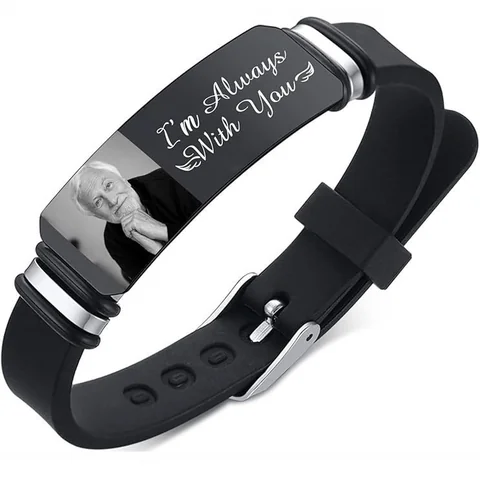
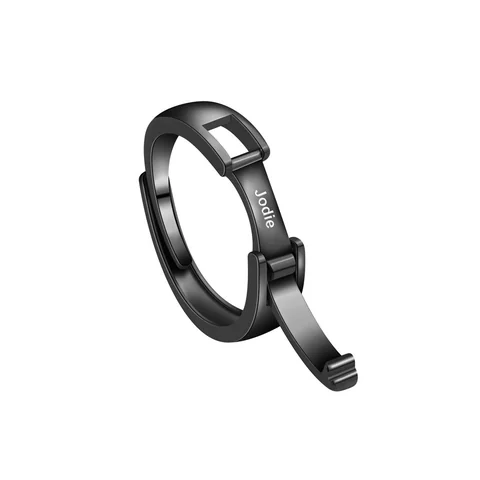
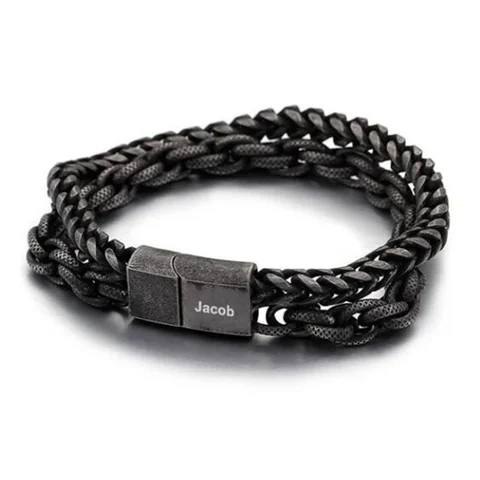
Record what happened and ask for instructions for the exact piece. An accidental splash is not a water-resistance test, and a dry-looking surface does not establish that every component is unaffected.
Make the event easy to explain
Write the liquid involved, approximate time of exposure, whether the bracelet was worn, and any visible change. Photograph the current condition without applying a filter. Describe what you can see rather than diagnosing corrosion, dye loss, or adhesive failure.
Do not use a chemical cleaner, heating device, or another immersion as an improvised fix. A method intended for one material may not apply to the assembled piece.
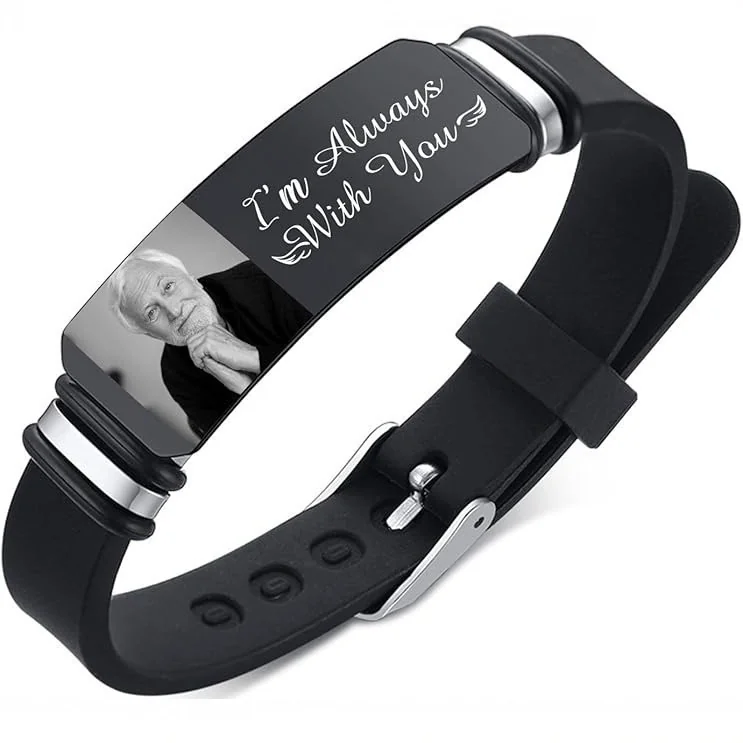
Ask for a product-specific next step
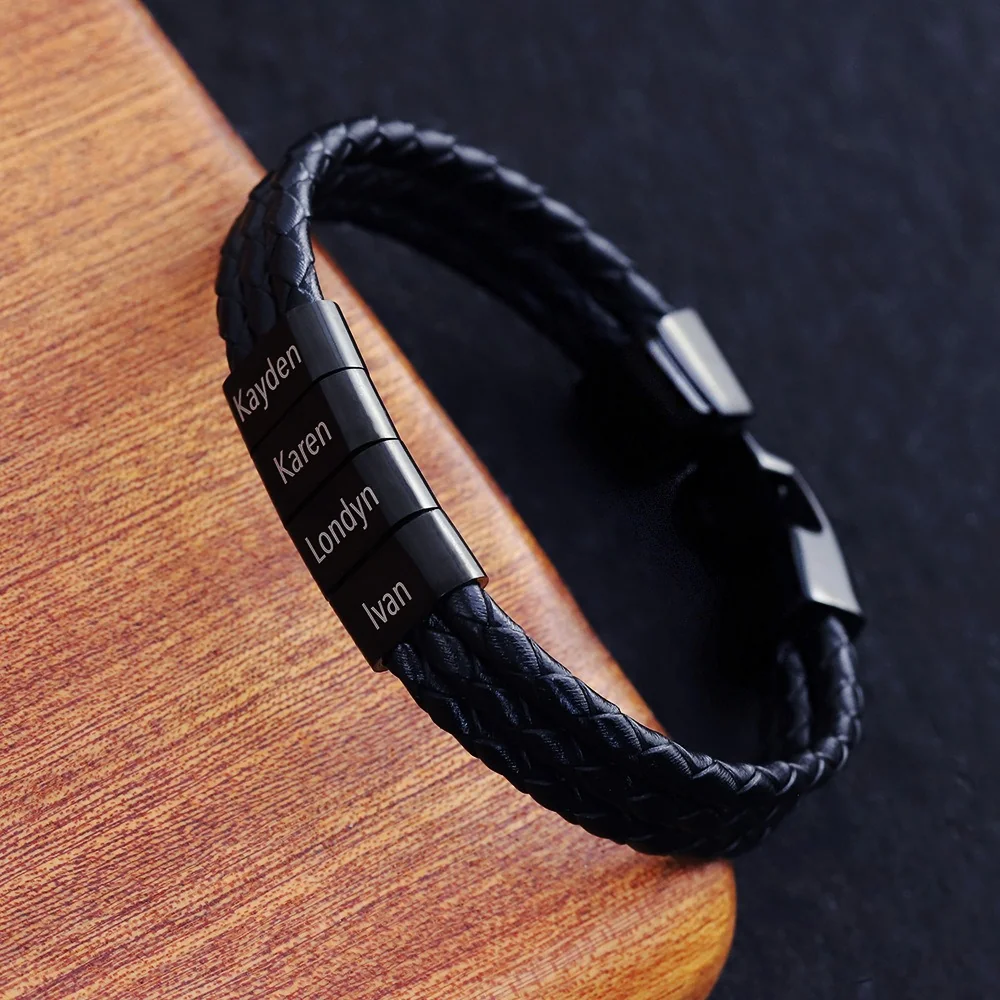
For The Family Bracelet or The Portrait Cuff, identify the exact option and request the approved response to the exposure you recorded. The current record does not confirm waterproofing or a universal wet-care method.
Keep any supplier reply with its date and scope. If it answers only a clasp question, ask about the remaining components before treating it as instructions for the whole bracelet.
Reconstruct the event without guessing
Write the sequence as soon as practical: where the bracelet was, which liquid reached it, roughly how long the contact lasted if known, and what happened afterward. Use “duration unknown” when that is the truthful answer. A detailed account is useful because it describes the exposure the reviewer needs to consider, rather than reducing every event to “got wet.”
Include whether soap, a drink, or another product was involved, using its exact identity when you know it. Do not convert an uncertain memory into a confident ingredient list. Keep any packaging or product name available for the assessment, but do not infer that it caused a particular change merely because the events occurred close together.
Pause and document rather than test again
Set the piece aside from the uncertain activity and avoid repeated exposure while the response is unresolved. Do not put it back into water to check whether a mark returns. Do not operate an unfamiliar closure or remove an image panel as an improvised drying step. The relevant instructions must cover the exact construction and event.
Take a whole-piece view and closer views of any visible change. Use plain descriptions such as “dark area beside the name element” or “image edge looks lighter than before.” A photograph can show the current condition without proving what happened inside the band or beneath a surface. Keep the absence of an obvious change separate from any claim that the piece is unaffected.
Separate the components in the question
| Part or area | Observation to include |
|---|---|
| Band or cord | Visible change, if any, and where the liquid contacted it |
| Personalized element | Mark, color change, or no visible change |
| Closure | Whether the observed action has changed, if its approved operation is known |
| Image area | The visible appearance without a process diagnosis |
| Entire piece | Product ID, option, and the known exposure sequence |
These entries help a reviewer identify what is actually being reported. “No visible change” is an observation for that area, not a water-resistance statement. If you do not know the exact option, provide the identifying information you have and ask the seller to resolve the version before giving instructions.
A fictional accidental-splash record
In this fictional editorial example, Jamie notices that a bracelet was splashed while washing a cup. Jamie knows that tap water reached the band but is uncertain whether the name elements were submerged. The record states those facts separately. It also records that no cleaner, heat, or additional immersion has been applied.
Jamie photographs the band and name elements and asks for the approved response to this exposure. A reply that addresses only the metal element does not answer the band question. Jamie follows up with the component record rather than assuming that a dry-looking element means the whole bracelet can return to ordinary use. The example gives no product-specific drying or repair method.
Ask what an assessment needs
An initial reply may request additional photographs, the exact option, or inspection of the physical piece. Ask what information is required before sending unnecessary personal details or altering the item. If an instruction refers to a different construction, identify the mismatch. A care method for a plain chain does not automatically address a braided band or a photo surface.
Keep the reply date and the full wording, including limitations. If the reply supplies a next step, clarify whether it is an observation, cleaning action, or repair procedure. Those tasks have different purposes. Do not turn a request for a photograph into approval to polish the photographed area.
Record the outcome accurately
If a later assessment identifies the condition, retain that conclusion with the original event note. If the issue remains unexplained, keep it unresolved. A change after an intervention should be described as the observed change, without promising complete recovery or future water suitability.
For planning future wear, request the actual approved exposure limitations for the version. One accidental event cannot establish them. The useful result of this workflow is a factual timeline, a component-specific condition record, and an applicable response, rather than a home test of an unknown bracelet.