Work backward from the date the gift is needed, using confirmed stages rather than an estimated shipping slogan. A production promise and an arrival promise are different statements.
Make a milestone list
Record the occasion date, destination, date the brief must be settled, any proof-approval deadline, planned dispatch, and the delivery commitment. Keep unavailable dates marked as not supplied.
Ask who confirms each stage. A carrier estimate does not resolve the time needed to obtain a correct proof; a manufacturing estimate does not establish arrival at the destination.
Keep a practical alternative
If the timing is unresolved, prepare a card describing the planned piece and finish the selection with the wearer after the occasion. Do not promise a surprise delivery that the seller has not confirmed.
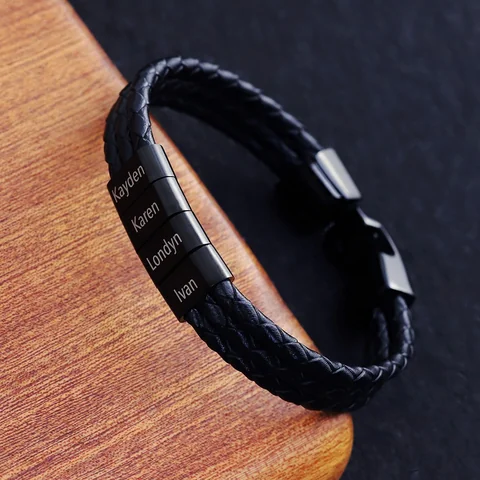
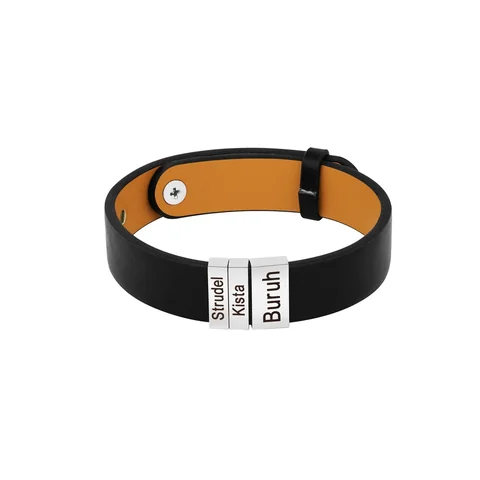
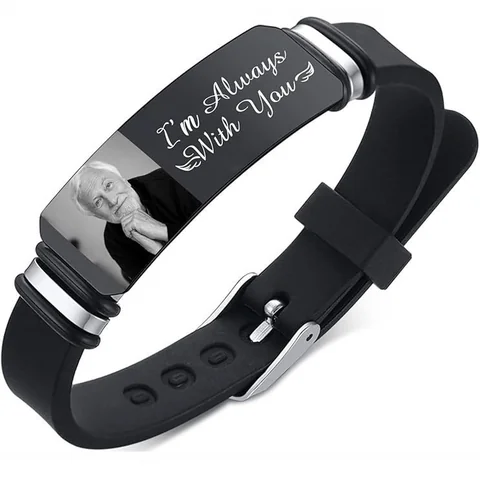
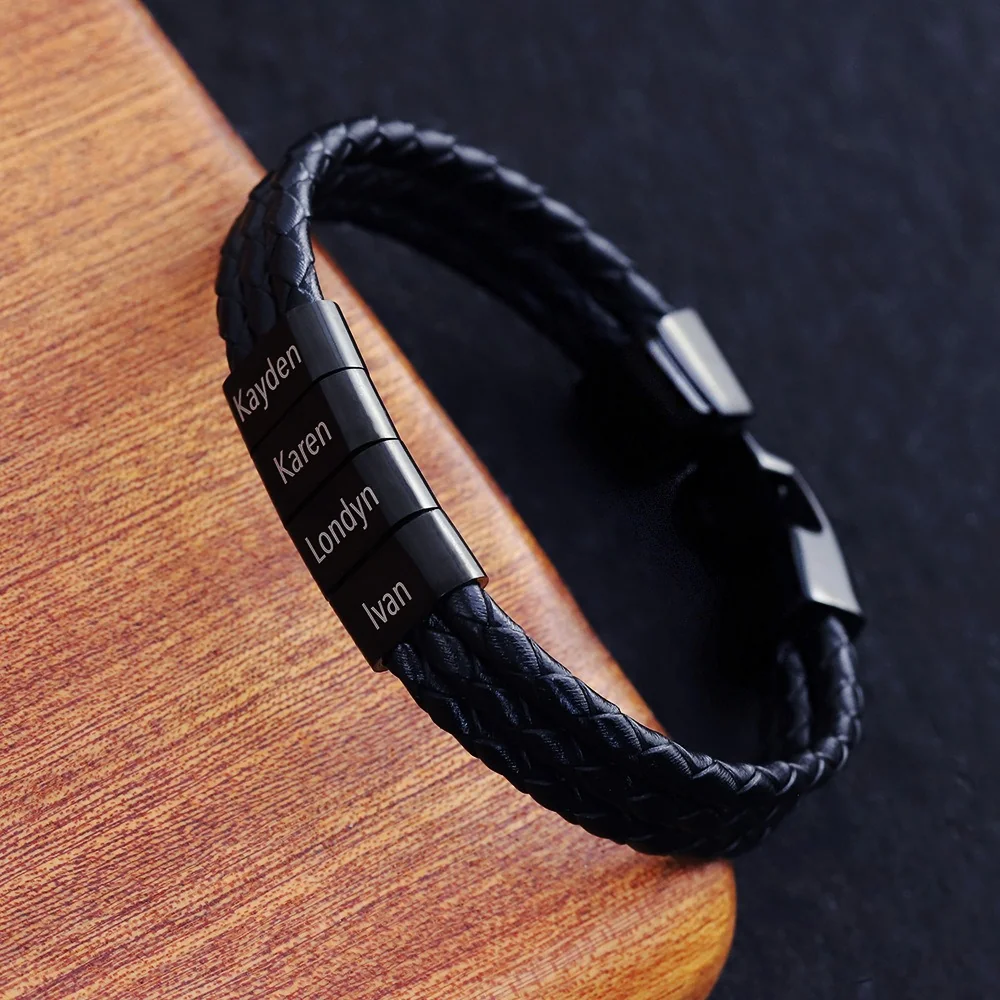
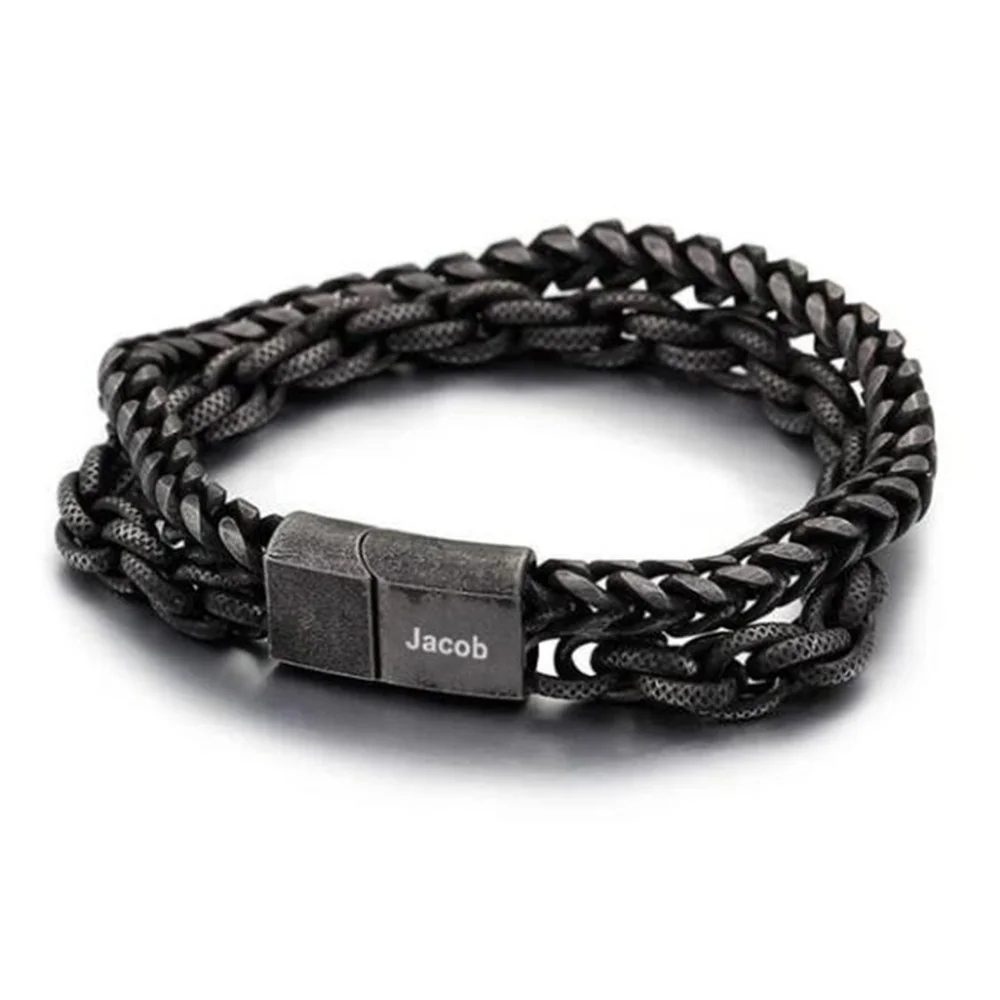
The Family Bracelet and The Double Chain pages should be checked for current ordering information and the exact selected option before you make a gift commitment. Their presence in the catalog cannot be used to calculate a gift deadline. Resolve purchasing availability first, then confirm the product-specific production and destination-specific delivery stages.
Define the actual handover date
The occasion date and the date you need the gift in your hands may differ. If you are traveling, the piece might need to arrive before departure. If someone else will wrap or present it, that person needs time too. Write the required handover date, the place where it must be available, and who will receive it. A birthday alone is not a complete delivery brief.
Keep the destination specific enough for a relevant estimate, but do not share private address details before a legitimate ordering and delivery process requires them. At the planning stage, the country, region, and any travel constraint can identify the timing question. Once a seller can accept the request, confirm the full destination through the appropriate process.
Build the timeline from dependencies
Some steps cannot be finalized until earlier decisions are complete. A production proof depends on the exact text, crop if applicable, and selected option. Dispatch depends on the piece being ready. A delivery estimate depends on the actual service and destination. List these relationships so an attractive shipping estimate does not obscure an unfinished customization brief.
| Milestone | Information needed before it is meaningful |
|---|---|
| Brief complete | Approved names, order, option, and fit details |
| Proof available | A confirmed proof process and expected response |
| Approval complete | Time for the wearer or gift giver to review corrections |
| Production complete | A product-specific commitment after approval |
| Dispatch | Confirmed readiness and delivery service |
| Handover | Arrival plus any planned inspection or presentation time |
Leave a stage blank or marked “not supplied” if there is no answer. Do not substitute a typical interval from another shop. The purpose of this worksheet is to expose the missing commitment that controls the plan.
Distinguish an estimate from a fixed commitment
Record the words used in the reply. “Usually dispatches after approval” is different from a confirmed dispatch date for your exact request. Ask what starts the stated production period and whether a correction creates a new start point. Also clarify whether the interval uses calendar days or working days when that distinction appears in the seller's answer.
Keep the reply date with the statement. An old estimate may describe a different production period or an option no longer available. A shipping calculator can be one input after the item is ready, but it cannot settle unanswered questions about proofing or manufacture. Review the complete chain, rather than adding confidence to a single promising stage.
A fictional backward-planning example
In this fictional editorial example, a gift giver wants to hand over a bracelet on Saturday but leaves home on Thursday. Thursday is therefore the practical deadline for having the piece available, with an earlier arrival preferred for inspection and packing. The gift giver lists the names now but has not received a size recommendation or a proof schedule.
No production or shipping interval is assigned in this example because none has been confirmed. The worksheet shows that “Saturday birthday” is not enough information to judge feasibility. If the seller cannot supply the missing stages, the gift giver presents a card on Saturday and invites the wearer to finish the selection later. That is a planned alternative, rather than an implied late-delivery promise.
Decide what to do when a milestone slips
Choose a decision point before the occasion: the time when you will stop describing arrival as expected unless the necessary commitment has been obtained. This is your planning threshold, not a seller's cancellation policy. If a proof needs correction, update the timeline instead of approving incorrect spelling to preserve the original date.
Keep any alternative description honest. A card can say that you would like to choose a personalized piece together. It should not say that an order is on its way when ordering is unavailable or dispatch has not occurred. If an accepted order later exists, changes, cancellations, and delivery remedies need the applicable seller terms; the planning worksheet does not establish those rights.
Save the information that makes the plan reviewable
Keep the final brief, the relevant timing replies, the approved proof, and the destination assumptions together. When new information arrives, replace the current timeline and retain the earlier version as context. Someone reviewing the plan should be able to identify its required handover date and see which stage remains uncertain without reconstructing a conversation.