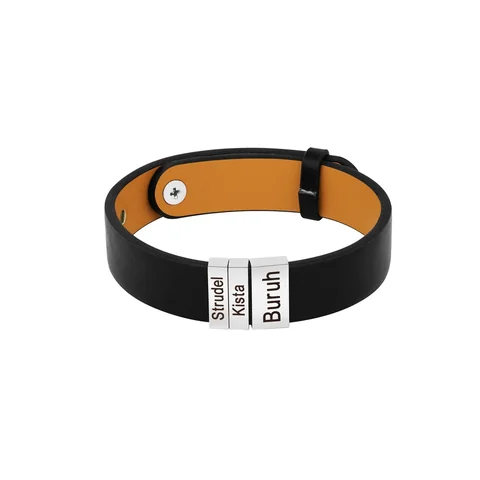
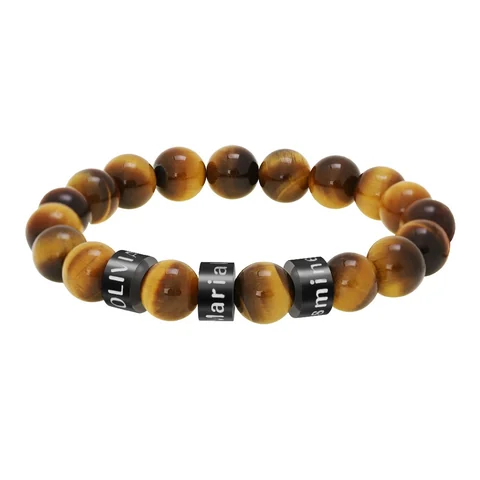
Treat the watch and bracelet as separate pieces, and compare their spacing before asking whether the combination suits your routine.
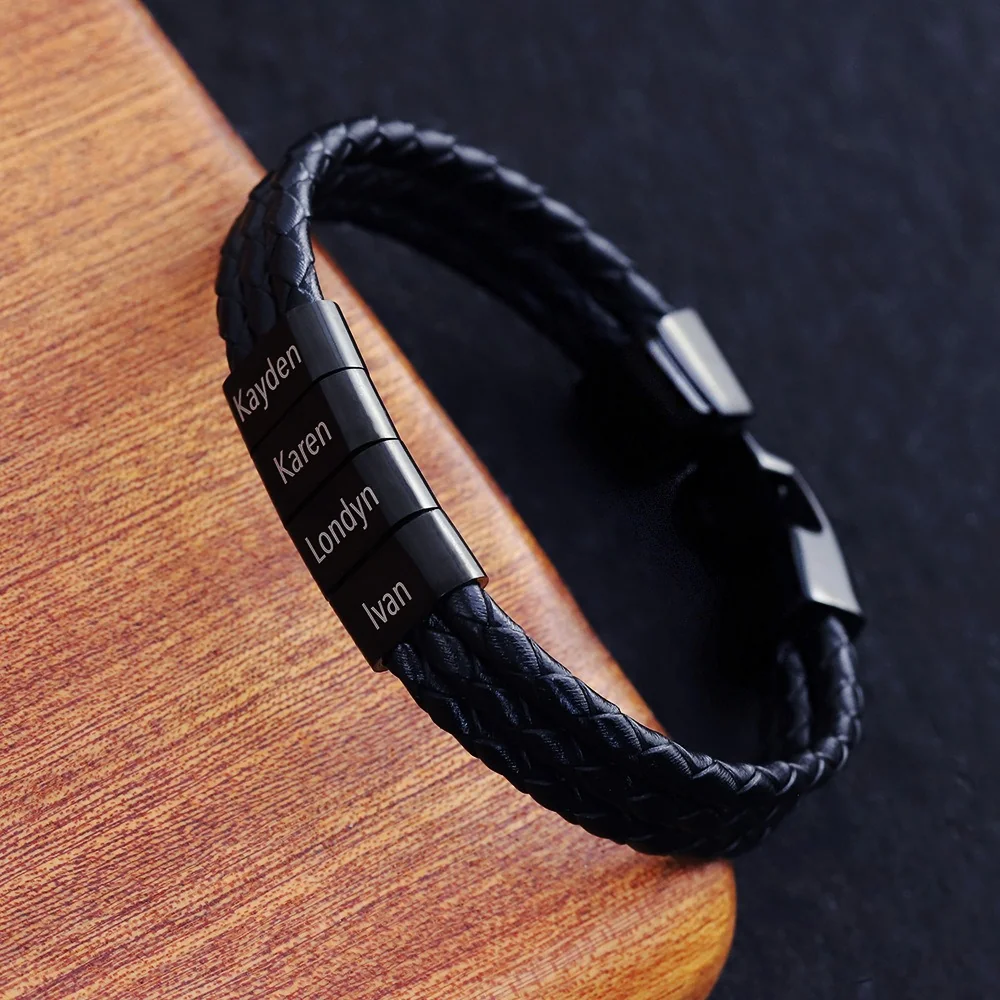
Identify the intended wrist and where the watch already sits comfortably. Sketch the bracelet beside it rather than directly overlapping the watch band.
The Family Bracelet and Signature Chain references have different textures and personalized components. Their photographs cannot prove that either remains comfortable or avoids contact beside your watch.
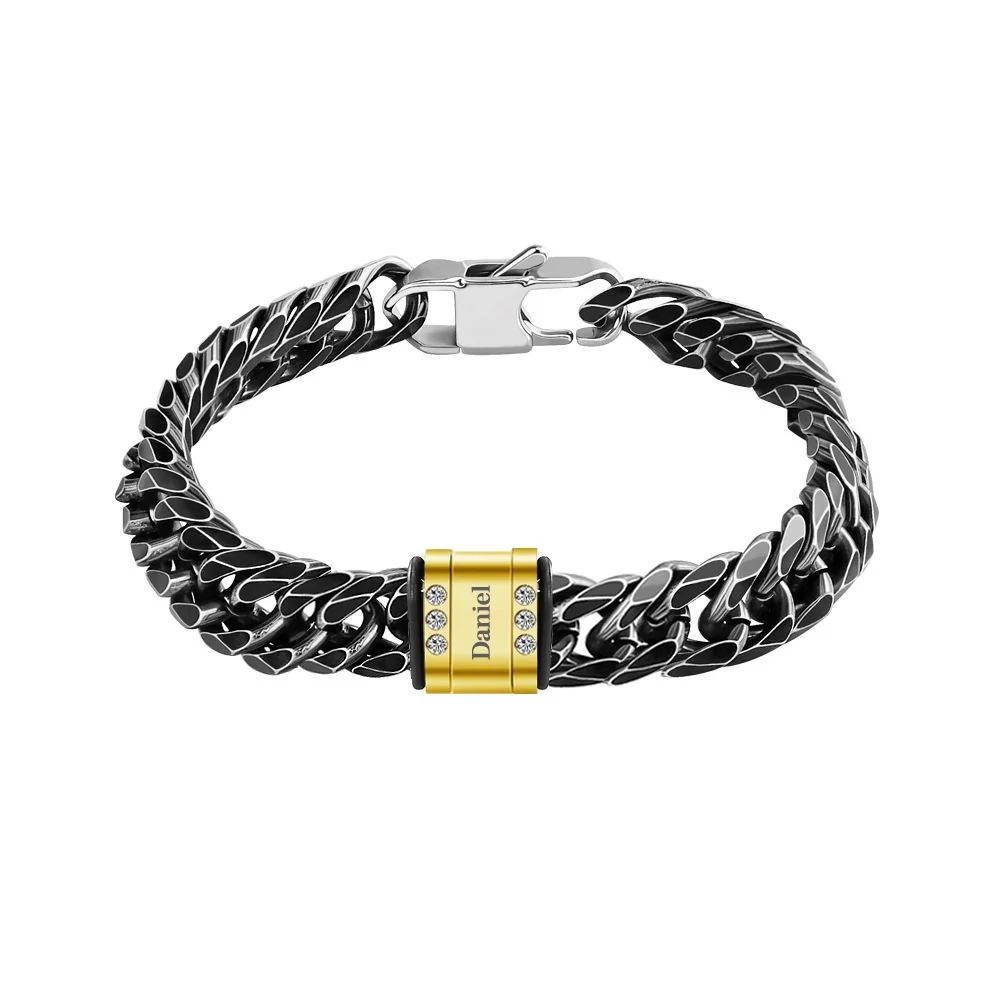
Ask for confirmed bracelet dimensions and fit definitions. Compare those with your existing accessories, keeping each measurement labeled. Do not resize the watch or choose a smaller bracelet simply to fit both into one spot.
If the arrangement looks crowded or the pieces contact each other, consider opposite wrists or wearing only one at a time. This is an outfit-planning choice, not a tested scratch-prevention guarantee.
Start with the watch you already know
Write down how you actually wear the watch: intended wrist, usual position, band arrangement, and whether your shirt sleeve covers it. Use observations from your current watch rather than a styling photograph of a different model. The bracelet plan needs to relate to that existing arrangement, while its own fit and dimensions remain separate product questions.
Identify why you want the bracelet beside the watch. You might want the family names visible near an accessory you wear often, a coordinated outline for an occasion, or both items on one wrist for personal preference. Those goals can lead to different layouts. Stating the goal first helps you judge whether the proposed combination serves it.
Measure only what you can identify accurately, and label the object, dimension, and unit. A watch-band width is not a bracelet width, and a wrist measurement is not available space between two worn objects. Keep those records in separate fields. Do not subtract one from another to invent a bracelet size without a confirmed fit definition.
Draw three possible arrangements
Make a simple wrist outline and mark where the watch normally sits. On the first drawing, place a labeled bracelet reference beside it. On the second, place the bracelet on the opposite wrist. On the third, show the bracelet worn alone. These are planning sketches, not renderings of a guaranteed fit or demonstrations of actual product behavior.
In the beside-watch drawing, leave each piece's outline distinct rather than overlapping them into one shape. Label any spacing as illustrative until actual dimensions and fit are confirmed. You can still compare which details would be visible and whether the proposed names become visually lost beside the watch. That is a useful appearance decision with clearly limited scope.
The Family Bracelet source shows several name elements on braided-looking strands. The Signature Chain reference has a different linked outline and a prominent name example. Compare where each reference places its visual emphasis. Do not infer that one is physically thinner, lighter, or more comfortable beside the watch from differently framed gallery photographs.
Compare the layout with your clothing
Use the shirt or jacket intended for the occasion. Take a photograph of the watch as you normally wear it and use a labeled sketch beside the photograph to represent the proposed bracelet location. If you have a familiar accessory to illustrate a general arrangement, identify it accurately. It is not a substitute for a wear test of the referenced bracelet.
Look at the full outfit first, then the wrist detail. Decide whether you want the watch face or the family names noticed first. If the small details compete, try the opposite-wrist drawing before changing the personalization. A separate position may preserve both visual priorities without assuming larger lettering or a different manufacturing layout is available.
In a fictional editorial example, Jamie plans a family-name bracelet for an occasion and already wears a prominent watch. Jamie's first sketch places several names immediately beside the watch face. The second puts the bracelet on the other wrist. Jamie prefers the second because both details are easier to distinguish in the drawing. This is an editorial visual judgment, not evidence of comfort or damage prevention.
Jamie keeps the first sketch as an alternative for a different outfit and asks for the selected bracelet's confirmed dimensions and fit guidance. The preference remains provisional until those details are available. Keeping the alternative avoids treating a styling decision as a reason to force a smaller fit or move the watch into an unfamiliar position.
Keep contact and fit questions separate
If both actual pieces are available and permitted for the intended occasion, observe whether they meet during ordinary use without improvising tightness or altering either item. Describe any observed contact as contact, not proof of future damage or scratch protection. The relevant care and fit instructions still determine what handling is supported for each identified piece.
Ask bracelet fit questions using the bracelet's own identifier and option. Ask watch questions using its own applicable instructions. A confirmed bracelet dimension does not establish a watch-band adjustment, and instructions for the watch cannot be borrowed for the bracelet. Keep each assembly's information attached to the corresponding drawing.
Your final layout page should show the preferred arrangement, the occasion, the visual priority, and any unresolved measurements or fit questions. The beside-watch option may be the preferred sketch, or the opposite-wrist or single-piece option may suit your goal better. The completed work is a reasoned styling choice that preserves both accessories' separate requirements without promising a tested level of spacing, comfort, or scratch prevention.