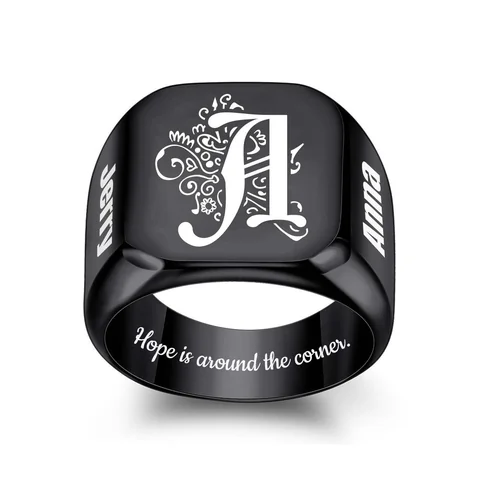
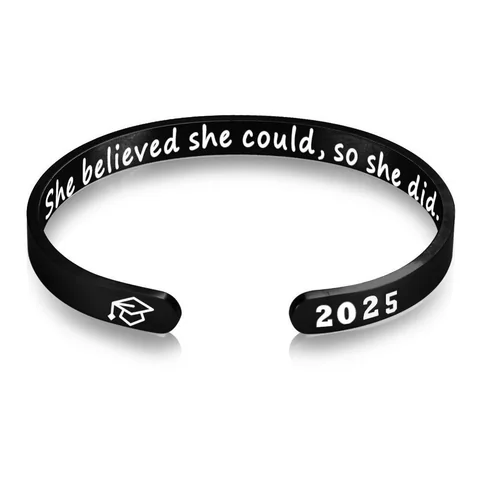
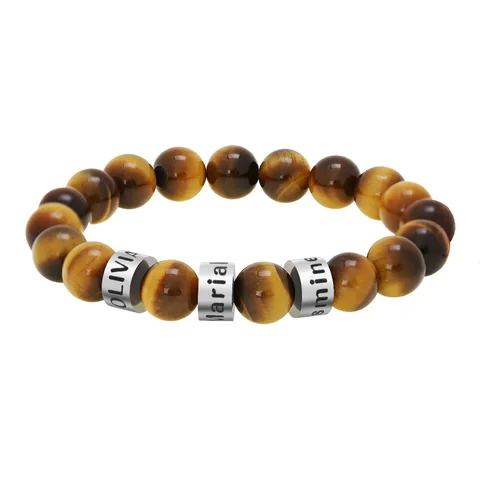
Start by checking whether the person wants jewelry at all. Someone who rarely wears it may be open to one piece, or may prefer the personal message in another form.
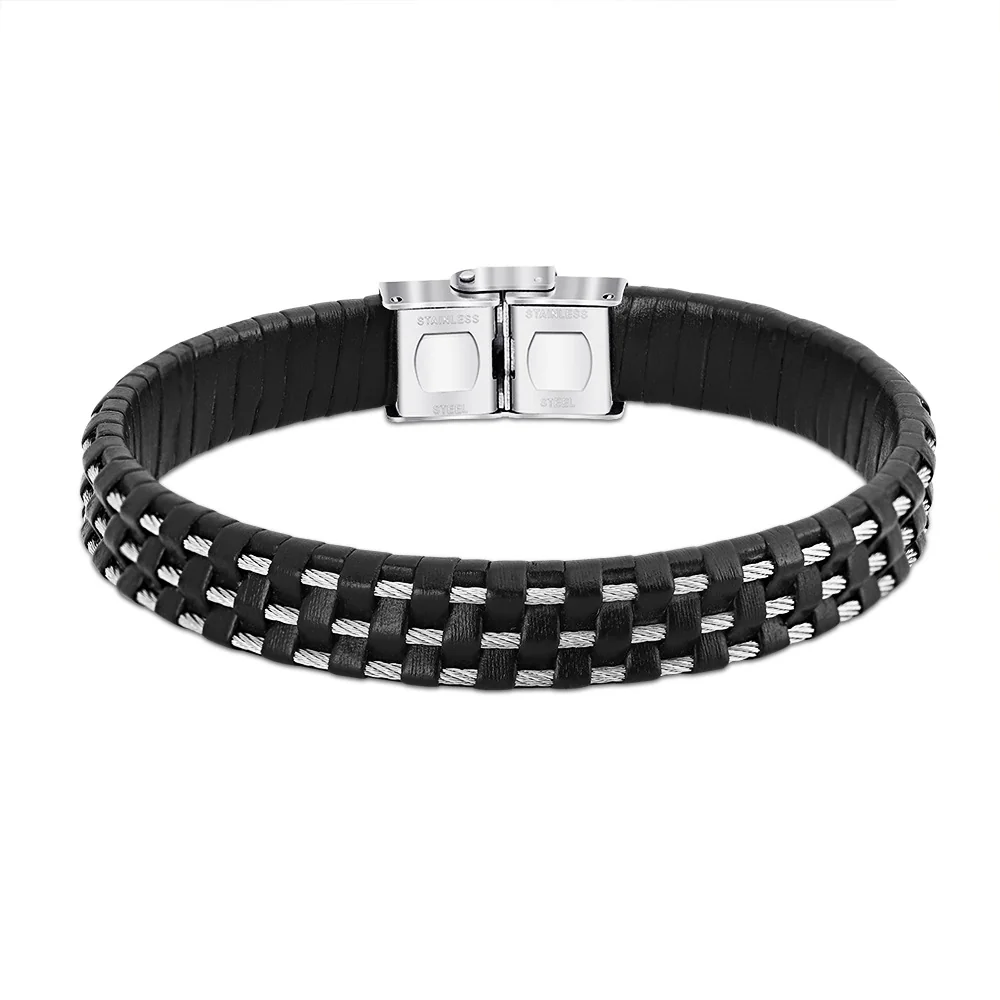
Ask three ordinary questions
“Would you wear something on your wrist?” “Would you want a name visible on it?” “Which clothes would you wear it with?” These questions reveal more than assuming a small design will suit a reluctant wearer.
If the answers are uncertain, show one plain reference and one personalized reference. Keep the comparison small enough that they can express a preference without reviewing a whole catalog.
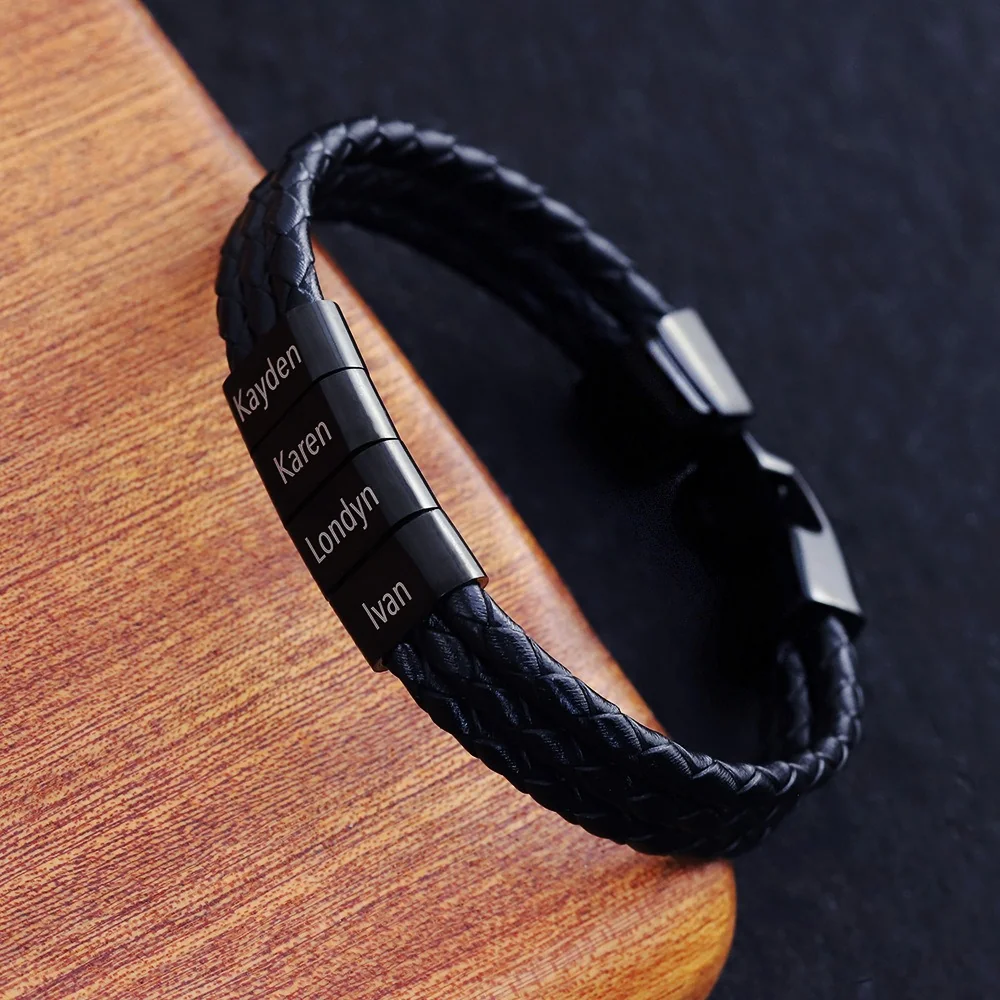
Choose a trial brief, not a promised experience
Use The Wide Link Bracelet when the outline interests them and The Family Bracelet when the names interest them. Do not describe either as comfortable, low maintenance, or suitable for daily wear without the required specifications.
Record what they want to try and what remains unresolved, especially size and care. If they do not want a bracelet, keep the message for a card. Personalization should express their preference rather than create an obligation to wear the gift.
Find out what “rarely” means
Someone who wears jewelry only at celebrations has a different starting point from someone who dislikes anything touching the wrist. Ask about the last occasion when they chose an accessory and what made it appropriate. Their answer may concern appearance, a dress code, a personal habit, or simply forgetting to put it on. Avoid interpreting every absence of jewelry as a preference for a minimal design.
You can ask for permission to discuss a possible gift without revealing a finished inscription. For example, “I am considering a personal accessory, but I want it to be something you would choose. Would you like to compare a couple of shapes?” This gives the person a useful choice before names, family significance, and gift expectations make declining more difficult.
Make a week-of-clothes note
Use a normal week as a conversation prompt. The wearer can describe a work outfit, an informal evening, and a special occasion. Beside each, record whether a wrist accessory is wanted, which other accessories they already choose, and whether the personalized wording should be visible. This is a preference exercise; it does not establish that a particular bracelet is suitable for work, sports, or any other activity.
Keep observations concrete. “Usually wears dark sleeves and a watch” is more useful than “has masculine style.” “Would wear a bracelet for dinner but not during the workday” is more useful than “might get used to it.” The aim is to discover a place the gift already has in their choices, without inventing a new daily routine for them.
Compare only the features you can see
Show the references at comparable image sizes and ask one question at a time. First compare the outline: a continuous band, a linked shape, or a design interrupted by name elements. Then compare whether the personal detail becomes the focus. A name-heavy design might be welcome to someone who wants family information visible and unwanted by someone who prefers a private message.
Do not turn a photograph into a comfort ranking. Weight, skin contact, closure operation, and care requirements need their own specifications or an appropriate physical assessment. A visually narrow piece can still be unsuitable for someone's preferences. Likewise, a broad shape can be appealing even when the person usually avoids jewelry. Let appearance narrow the choices; let confirmed details address the remaining practical questions.
A fictional preference card
In this fictional editorial example, Eli rarely wears jewelry but would consider a bracelet for weekend dinners. Eli likes a continuous dark outline and does not want relatives' names facing outward. The gift giver records those answers before proposing any wording. The personal message becomes a separate note unless a preferred inscription position is confirmed.
Another fictional wearer, Chris, wants the names visible but does not care whether the design matches a watch. For Chris, a family-name reference is a reasonable starting point. The two briefs should differ because their answers differ, even though both people were initially described as reluctant jewelry wearers. Neither brief asserts that the product will be comfortable or become a favorite.
Resolve practical questions before personalizing
Once there is a genuine preference, ask how the intended version is sized and what measurement is required. Record the wearer's measurement with its unit and the method used, then wait for an applicable size recommendation rather than treating the number as the finished bracelet length. Ask about closure instructions and care for that exact version. If these details remain unavailable, the preference card is still useful, but the product decision remains open.
Keep the inscription editable until the person has accepted the form of the gift. A family message can feel meaningful in a card even when wearing it is unwanted. The final result of this planning exercise can therefore be a bracelet brief, a delayed choice made together, or a written gift with no jewelry attached. Each outcome respects the answer the person actually gave.