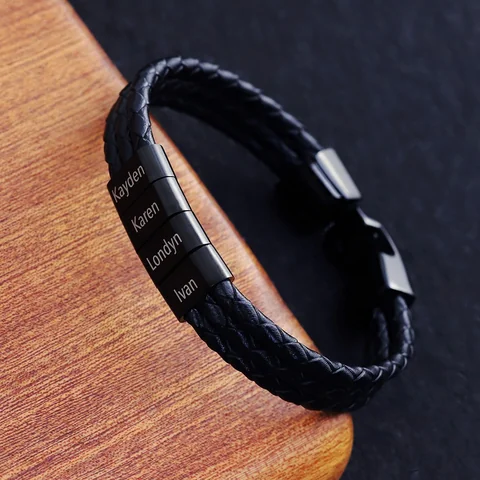
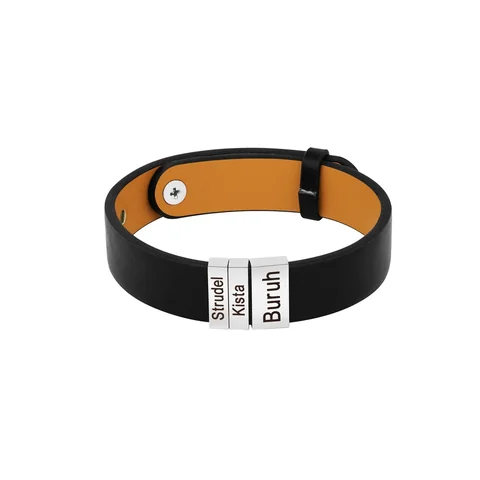
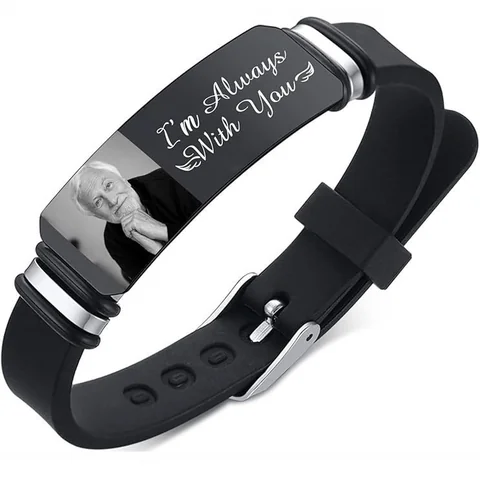
Check the rules for the actual workplace before choosing a bracelet for that setting. A job title alone does not establish the dress code or equipment requirements.
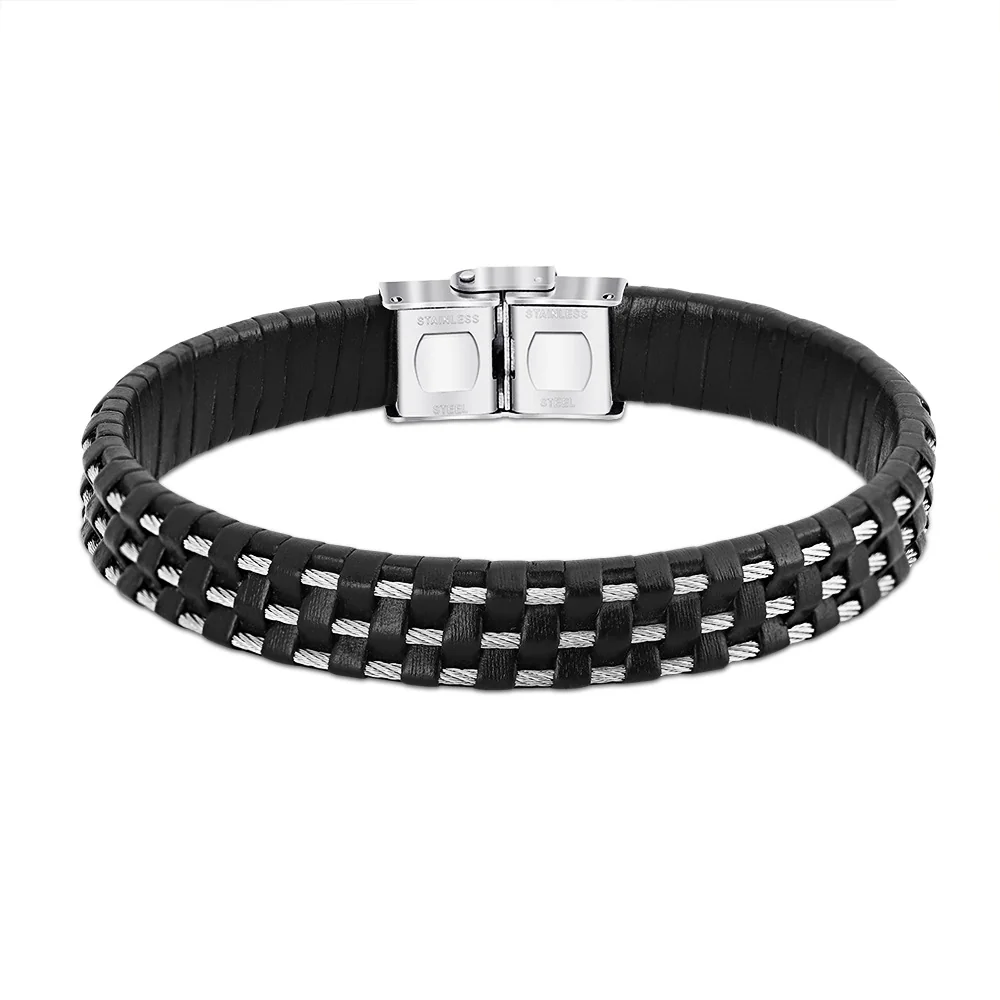
Separate permission from preference
Read the relevant written policy or ask the person responsible for the setting. Note whether the rule concerns visible symbols, loose accessories, machinery, food handling, or another task. Do not substitute a general fashion article for that answer.
Once the piece is permitted, consider your usual sleeve, watch, and desk movements. Record what needs to stay unobstructed and whether visible personal text is welcome.
Make one setting-specific plan
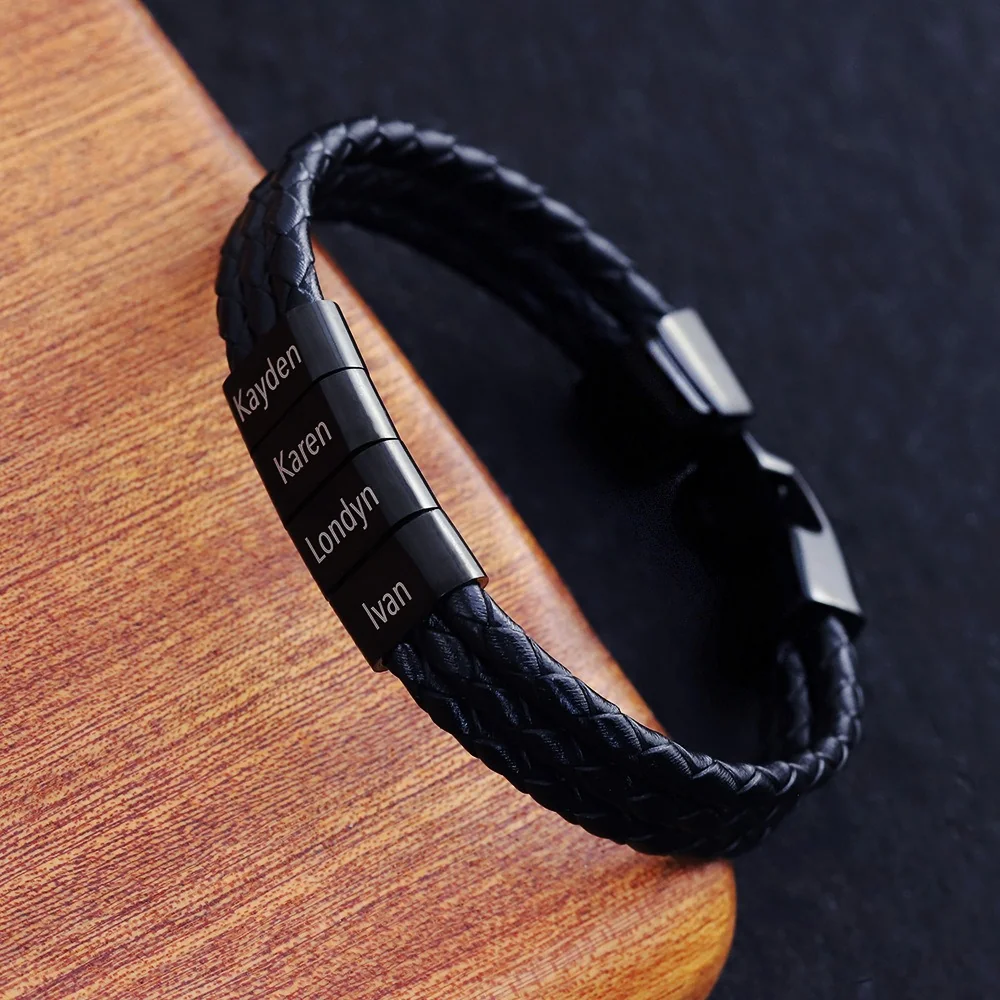
The Wide Link Bracelet and The Family Bracelet provide design references only. They do not have verified workplace-use tests or approved exposure instructions.
If the routine creates an unresolved fit or activity question, keep the bracelet for another setting while seeking the needed information. A removable accessory gives the wearer a choice; it should not be recommended as universally suitable for work based on a subdued appearance.
Identify the actual work setting
List the tasks and locations where the accessory would be worn, rather than relying on the name of the occupation. A person can move between a desk, a meeting room, and a setting with separate equipment requirements during one day. A permission answer should apply to the relevant task and place.
Locate the applicable written rule or the person responsible for clarifying it. Record its source, date, and scope. If the answer is verbal, keep a plain note of what was said and ask for clarification where the task remains ambiguous. This is an organization record, not an occupational-safety assessment.
Separate three questions in the worksheet
| Question | Appropriate source |
|---|---|
| Is jewelry allowed for this task? | The applicable workplace rule or responsible person |
| Does this exact bracelet have relevant limitations? | Product-specific approved information |
| Do I like it with my work clothes? | The wearer's own visual comparison |
Do not let a yes in the first row answer the other two. A permitted accessory still needs its own fit and product information. A pleasing outfit comparison cannot establish permission around equipment. Keep uncertainty in the relevant row rather than turning a subdued appearance into a universal work recommendation.
Make a normal-day map
Write the sequence of activities that creates a wearing decision. Include any point where rules change or where the piece would need to be removed under the applicable requirements. Identify an appropriate storage location before that transition. Use the bracelet's supplied operation and care instructions rather than improvising removal or storage.
The map can be brief: the task, the applicable rule, the wearing decision, and the return location. It should be specific enough that you do not rely on memory when switching activities. It does not need unrelated employer information, private work documents, or claims about risks you have not assessed.
A fictional setting-specific example
In this fictional editorial example, Taylor works in an office but sometimes enters another area governed by a separate jewelry rule. Taylor records the rule for each setting instead of labeling the bracelet office-safe. The ordinary desk preference is to keep personal names less prominent, so Taylor also records a separate visibility goal.
Taylor compares two design references with the usual shirt and watch only after the relevant permission question is addressed. Product dimensions, fit, and care remain open. If a task requires removal, Taylor keeps that task's decision in the routine rather than treating visual approval as an exception.
Another fictional wearer stays in a single setting where the responsible person permits the proposed accessory. That answer is recorded for the setting and task described. It does not become a claim that all workplaces permit the design or that every activity is approved by the manufacturer.
Observe the routine without inventing a test
When an actual individually suitable piece is available and the relevant setting permits it, note whether ordinary sleeve and accessory arrangements meet your preference. If you notice unwanted contact, pressure, or interference, document the observation and revisit the wearing plan. Do not continue an uncertain machinery or equipment activity simply to test whether the piece causes a problem.
A style note might describe the name region as more visible than desired or the bracelet outline as competing with the watch. Those are useful personal observations. They should not be rewritten as a product safety certification, a medical conclusion, or an approved work exposure.
If the rule differs across locations, name each location in your private worksheet. Avoid a single approved checkbox that hides those differences. The wearing decision should remain attached to the task where the answer actually applies.
Prepare a concise work-wear brief
The brief can identify the setting, the rule source, the garment comparison, the intended text visibility, and the product details still needed. If one setting remains unresolved, keep the piece for a confirmed alternative setting under your plan rather than promising continuous wear throughout the day.
Recheck the brief when the task, workplace requirement, or bracelet version changes. A decision tied to one rule and configuration should not silently carry over to another. The completed document gives you a practical setting-specific choice while leaving professional safety judgments and unverified product limitations outside the styling conclusion.