“Adjustable” needs a defined range and a method. A design can permit a change without fitting every wrist or allowing every component to be moved.
Identify what changes
Ask whether adjustment changes the wearing circumference, an extension length, or another feature. Request the minimum and maximum usable values and the measurement definition. Then ask whether the selected number of name elements changes that range.
Write a simple record:
| Field | Entry |
|---|---|
| Measured wrist circumference | Your actual value and unit |
| Minimum finished setting | Not supplied until confirmed |
| Maximum finished setting | Not supplied until confirmed |
| Approved adjustment action | Supplier instructions for this exact option |
Compare the range with the wearer
If your measurement falls outside the stated range, do not assume the bracelet can be stretched or rebuilt. If it falls within the range, the supplier still needs to explain the intended fit relationship.
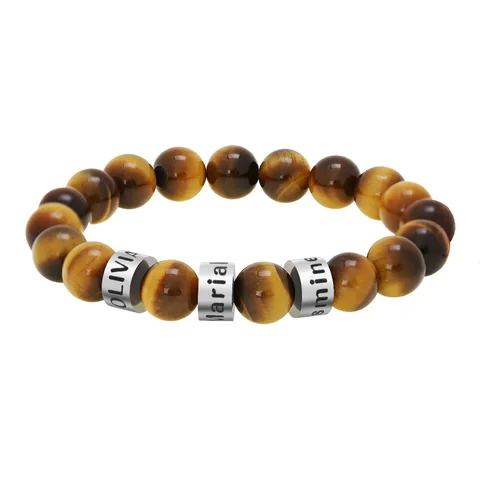
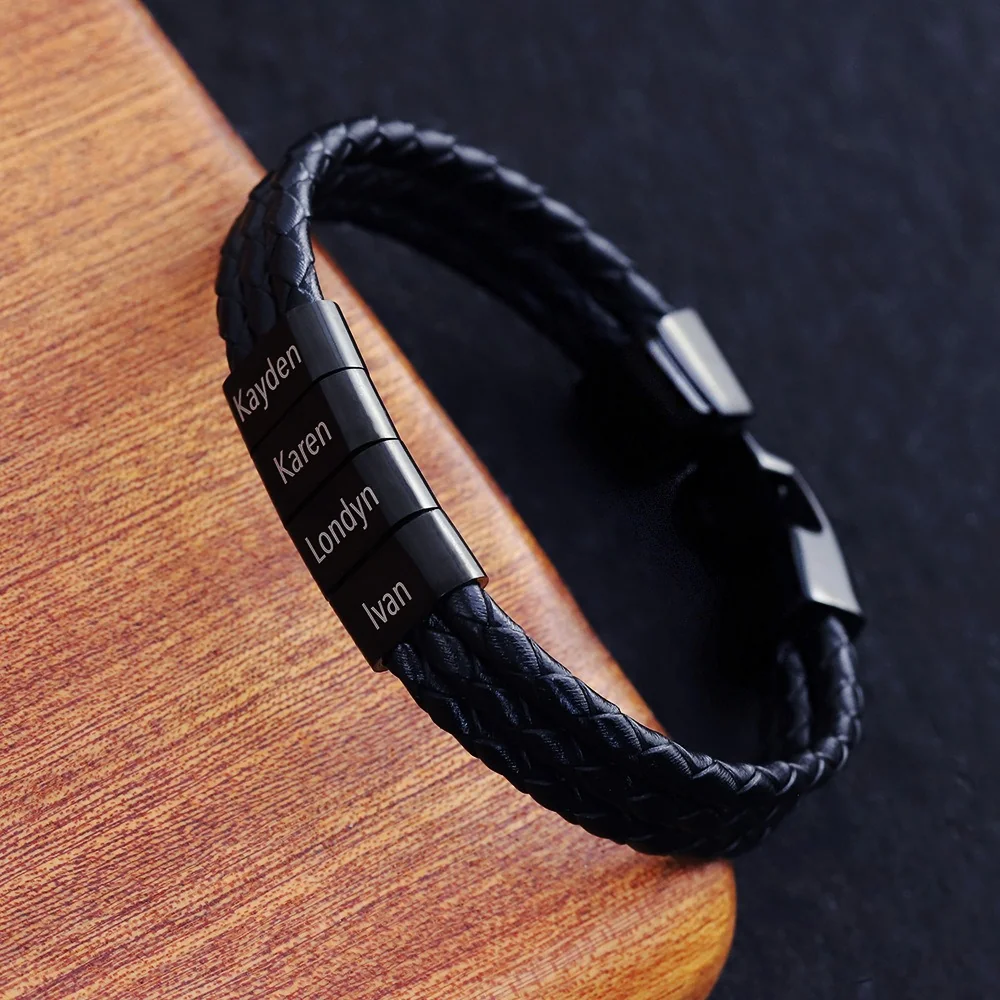
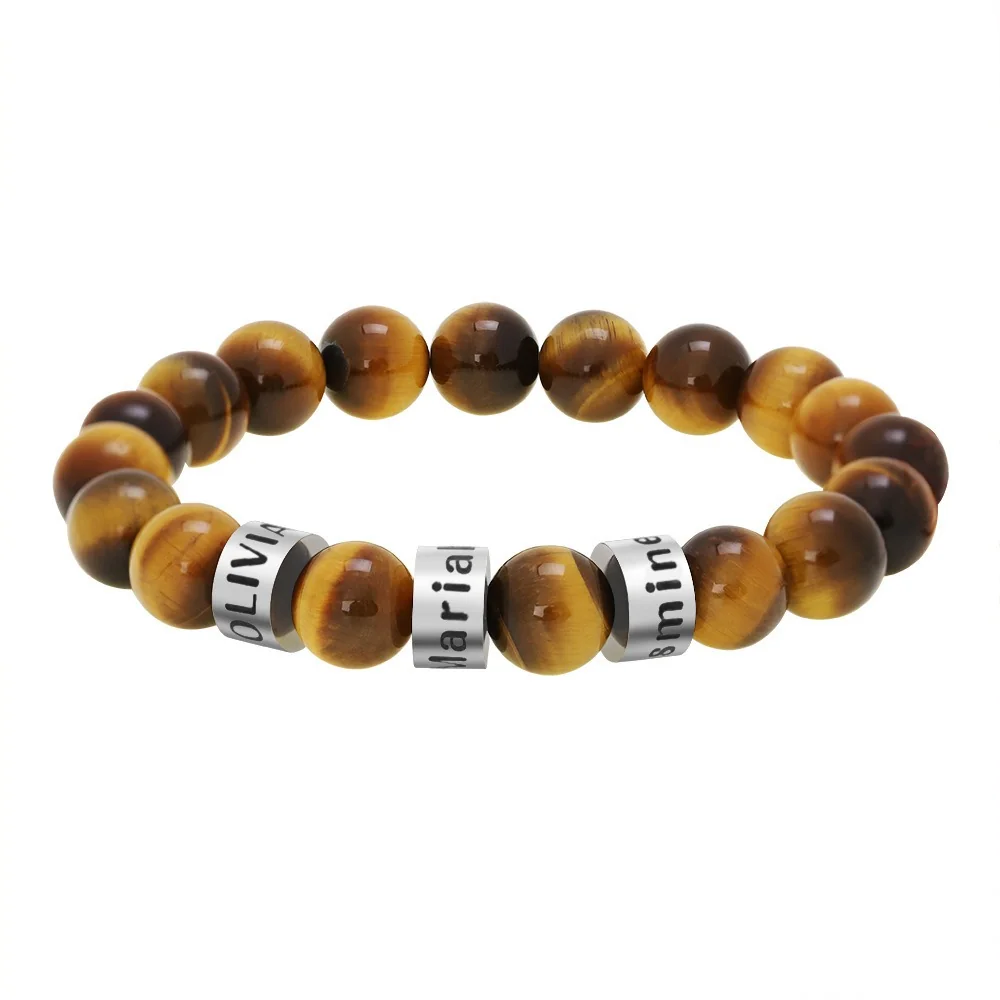
The Family Bracelet and The Name Bead Bracelet current references do not provide sales-approved adjustment ranges. Keep that limitation attached to the decision. A preview that lets you add a name is not a fit adjustment mechanism.
Define which part is supposed to move
Write the claimed adjustment in plain language before accepting it. Does a closure provide several wearing positions? Is an extension part of the finished piece? Would a component need to be removed or rebuilt? Is the advertised change actually a choice made during production? Those possibilities involve different decisions, and none is established by the word adjustable alone.
Do not confuse selecting a length before manufacture with changing the fit afterward. A product may offer several source options without allowing the wearer to alter the delivered piece. Likewise, a reference preview may change the count of visible name elements while giving no information about wearing circumference. Keep production choices, text choices, and user adjustments in separate fields.
Ask whether the adjustment description belongs to the exact configuration you want. The same photograph may appear beside several options. If the reply names a different closure or a different element count, leave the relationship unresolved. You are seeking instructions for one identifiable piece rather than permission based on a general collection description.
Read the minimum and maximum with their definition
A stated range is meaningful only when you know what its endpoints measure. Minimum and maximum overall lengths are product dimensions. Minimum and maximum recommended wrist circumferences describe wearer values. A range of possible settings may also include positions that the seller does not recommend for ordinary wear. Request the intended usable range and its measurement definition together.
If the instructions describe discrete settings, record those settings individually when provided. Do not assume every value between the endpoints is possible. If the mechanism is described as continuous, request the manufacturer's method and any limits for the selected construction. You should not infer either type from a gallery image.
Keep units consistent across the wearer reading and the reply. A value that falls numerically between two others means little if one uses inches and the other centimeters. After converting units accurately, compare like quantities. A wrist reading should be compared with the recommended wrist range, not directly with an unexplained outer product length.
Consider a fictional endpoint problem
In this fictional example, a wearer measures a wrist circumference of 18 cm. A candidate is described as having an adjustable product-length range. The wearer records the two endpoint values but does not mark the candidate as fitting. The seller still needs to explain what the length includes and which wearer range those settings support.
Suppose a later reply provides a recommended wrist range and puts the wearer near its upper end. The next question is which approved setting is intended for that reading and the preferred fit. The wearer does not try to extend the mechanism beyond the stated limit or assume that a nearby unlisted setting exists. If no usable setting supports the preference, another construction may be the more practical choice.
If the desired number of name elements changes during the discussion, the wearer rechecks whether the answer still applies. The earlier range belongs to the earlier configuration until the seller connects it to the revised one. This avoids approving text changes while overlooking their unresolved relationship with fit.
Preserve the instructions with the chosen option
For a supported design, save the actual adjustment instructions, the usable range, and the chosen setting with the option record. Identify who is expected to perform the action. An alteration offered by a professional is different from a routine action intended for the wearer. Do not convert the former into a home tutorial.
If a reference bracelet you already own has an adjustment mechanism, use its familiar fit only as a preference example. Do not transfer its action to a different structure. The completed decision should identify the candidate's mechanism, range definition, and supported setting, or state which answer remains missing. That gives adjustable a specific meaning for this task rather than letting the label stand in for fit evidence.
Before closing the record, check that the selected setting can be named unambiguously. An instruction such as “use the middle” needs a diagram or labeled positions if several parts could be considered the middle. If the adjustment changes the visible orientation of the name elements, include that orientation in the placement review. It is easier to resolve the intended setting and view together than to approve one image while expecting a different arrangement during wear.