Ask the question that would change your decision. A broad request such as “Is this good?” can leave the size, material, or customization issue unresolved.
Write a question with four parts
Identify the product, selected option, fact you need, and why it matters. An original example is: “For this exact name-element configuration, what is the usable allowance for each element? I need to preserve the spelling of three names without abbreviation.”
Ask about the field that blocks the choice first. Keep shipping and material questions separate if neither is the immediate problem.
Check the scope of the reply
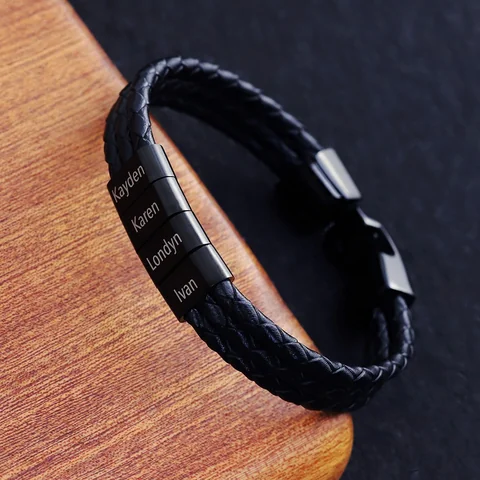
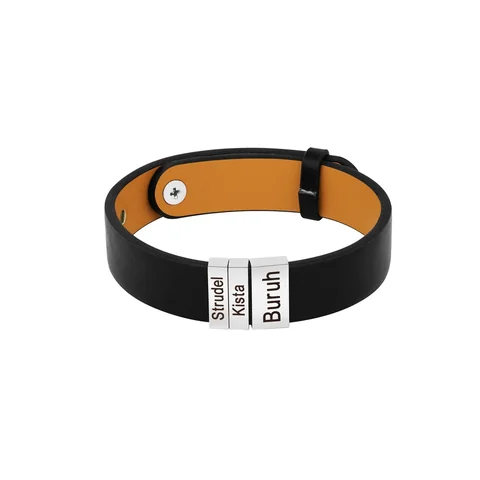
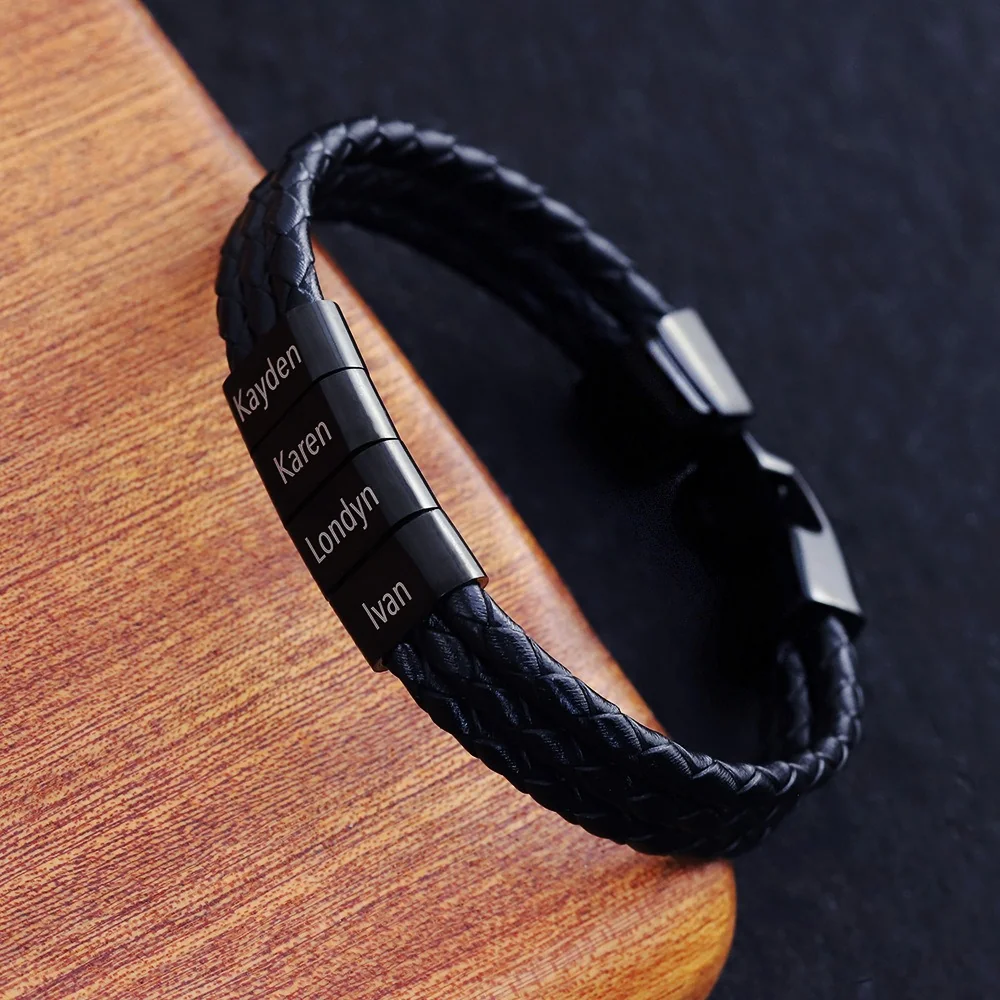
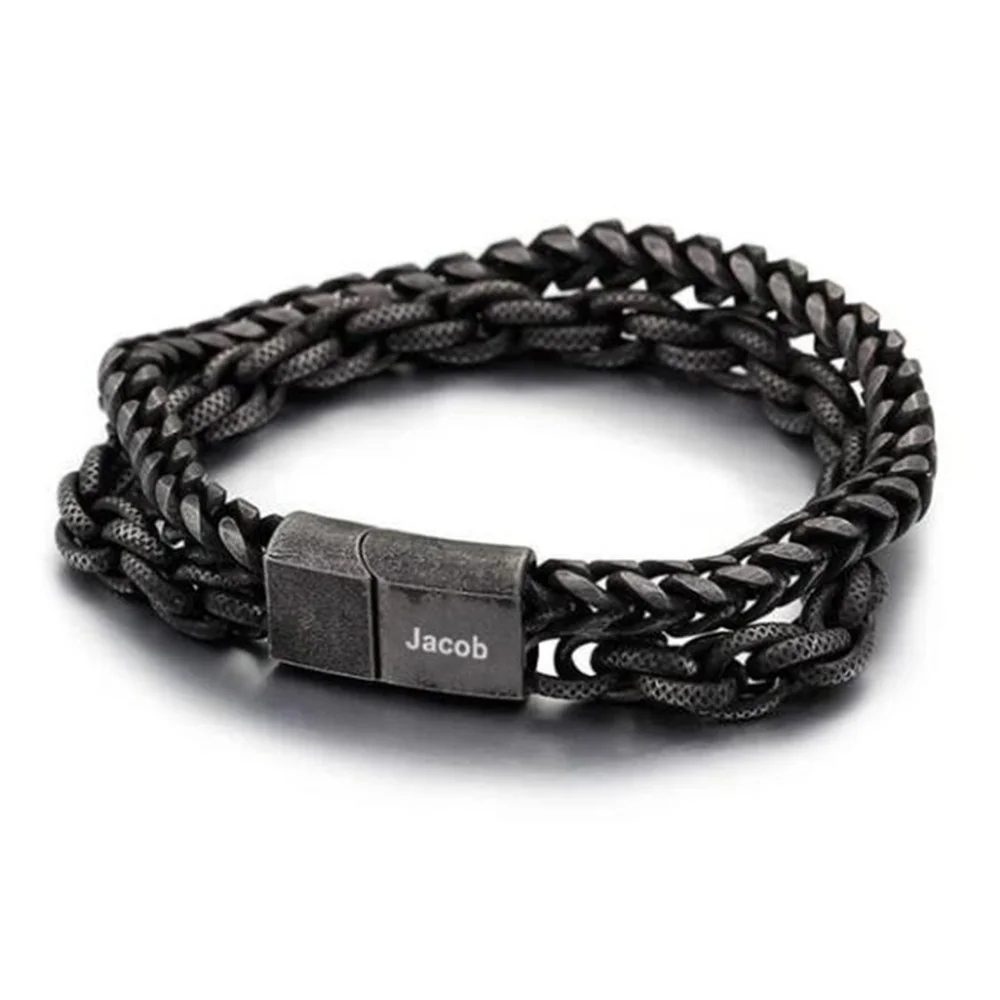
For The Family Bracelet or The Double Chain, save the answer with the ID, option, and date. “Customizable” does not establish the number of regions or permitted characters. Ask for the missing definition rather than treating a positive word as confirmation.
Prepare the draft before deciding whether to contact a seller. A useful answer should resolve the named specification or identify what evidence is still needed. If it refers to another product, request a corrected answer before using it.
Turn the unresolved choice into a single question
Write the decision you cannot make yet. It might be whether a full name can remain unabridged, whether a specific component measurement suits the intended comparison, or whether a photographed element count belongs to the selected option. Then turn that decision into one question about one missing field.
Do not begin by asking the seller to choose the whole gift for you. You can prepare the intended text, identify the relevant reference, and state the flexible parts yourself. The question becomes more useful when the seller can see exactly which answer would keep a candidate on the shortlist or remove it.
Assemble a concise question packet
Use the product URL and identifier, the selected option label, the relevant image if necessary, and a short statement of the requirement. Keep the exact strings available, but do not attach unrelated personal stories or an entire album to a specification question. A small packet can be easier to answer accurately than a long message mixing several products.
| Message part | Purpose |
|---|---|
| Product and option | Identifies the exact configuration |
| Essential requirement | Explains what must be preserved |
| One question | Names the unresolved field |
| Supporting reference | Shows the relevant component or arrangement |
| Requested answer | Asks for a specification with clear scope |
If another question remains, keep it in the worksheet for the next stage. Separating questions does not mean ignoring material, fit, or purchase state; it means identifying which missing answer controls the present decision.
Draft a subject and body without sending them
A subject can identify the product and issue, such as “Configuration question for the selected name-element bracelet.” The body can state the ID and option, list the exact names, and ask whether each can appear unabridged in an approved region for that configuration. Keep any attachment description specific.
Use the currently approved contact information only when you decide to make an actual inquiry. A reference page does not establish a support address for every service or guarantee a response time. This article helps prepare a draft; it does not require sending personal information or create a seller conversation.
A fictional concise inquiry
In this fictional editorial example, Sam wants three names preserved in a specified order. Sam's draft says: “For the identified option, please confirm whether three separate regions are offered and whether these exact names can remain unabridged. The attached reference identifies the arrangement I am considering.” Sam includes the actual strings in the private draft.
A reply saying “yes, personalized” would leave the region count and full-name requirement unclear. Sam's follow-up names those missing definitions rather than asking another general quality question. If the reply applies to a different bracelet, Sam asks for the correct option scope before using it.
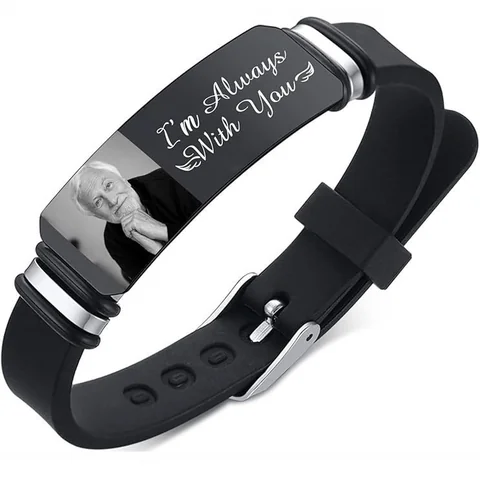
Another fictional draft concerns a continuous phrase. That inquiry identifies the proposed panel and asks about the full phrase as one reading unit. The earlier answer about separate names cannot be transferred to it simply because both requests involve text.
Evaluate what the answer actually resolves
Compare the reply with the question packet. Check the product, option, component, and requested field. Record whether the answer supplies a usable value, requests more information, or leaves the decision open. Keep general promotional language separate from the actual specification.
If the seller asks for a revised name or another file, record that as a requested change to review. Do not silently accept abbreviation or image substitution because it appears inside a helpful reply. The wearer must approve any change to an essential requirement.
Keep a small decision log
Save the drafted question, any actual reply if one is later obtained, the date, and the outcome for the named field. If an answer resolves the blocker, move to the next relevant question with the brief updated. If it does not, identify the remaining gap.
The final reader output is one precise message and a test for whether its answer is useful. It lets you progress from uncertainty to a specific configuration decision without treating a positive adjective, another product's specification, or an unsent draft as evidence that the request is supported.