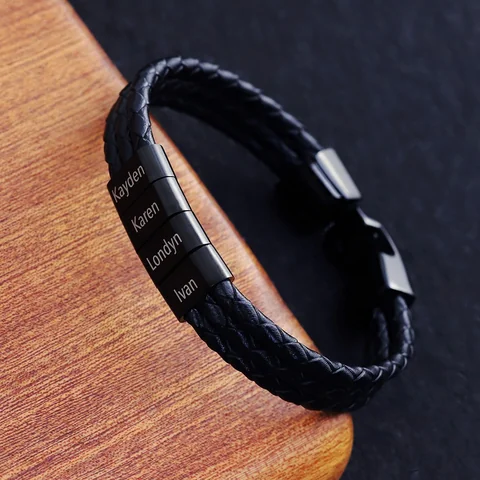
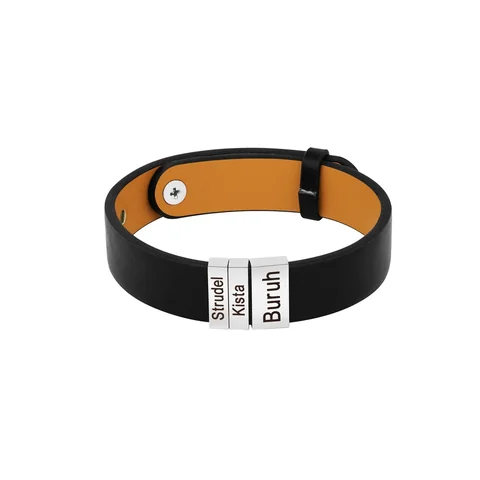
Use the supplied operating instructions and check that the closure behaves as described. A visible check can reveal something unusual; it cannot certify long-term security.
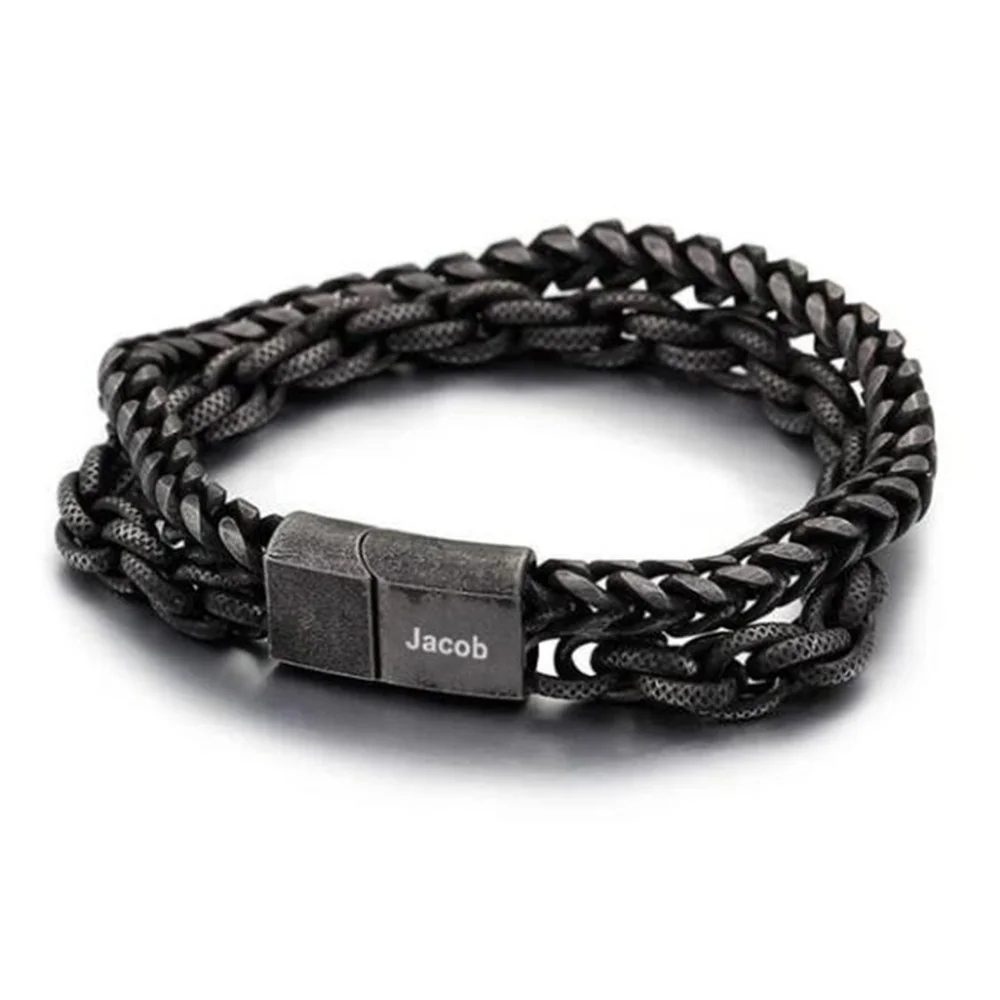
Check what you can observe
Look for visible misalignment, an unexplained gap, or a damaged-looking part. If you already know the approved opening and closing method, follow it without forcing the component. Do not improvise an action from a photograph.
If the closure feels different from its normal action, stop using it until the issue is assessed. Describe what changed rather than naming an unseen mechanism.
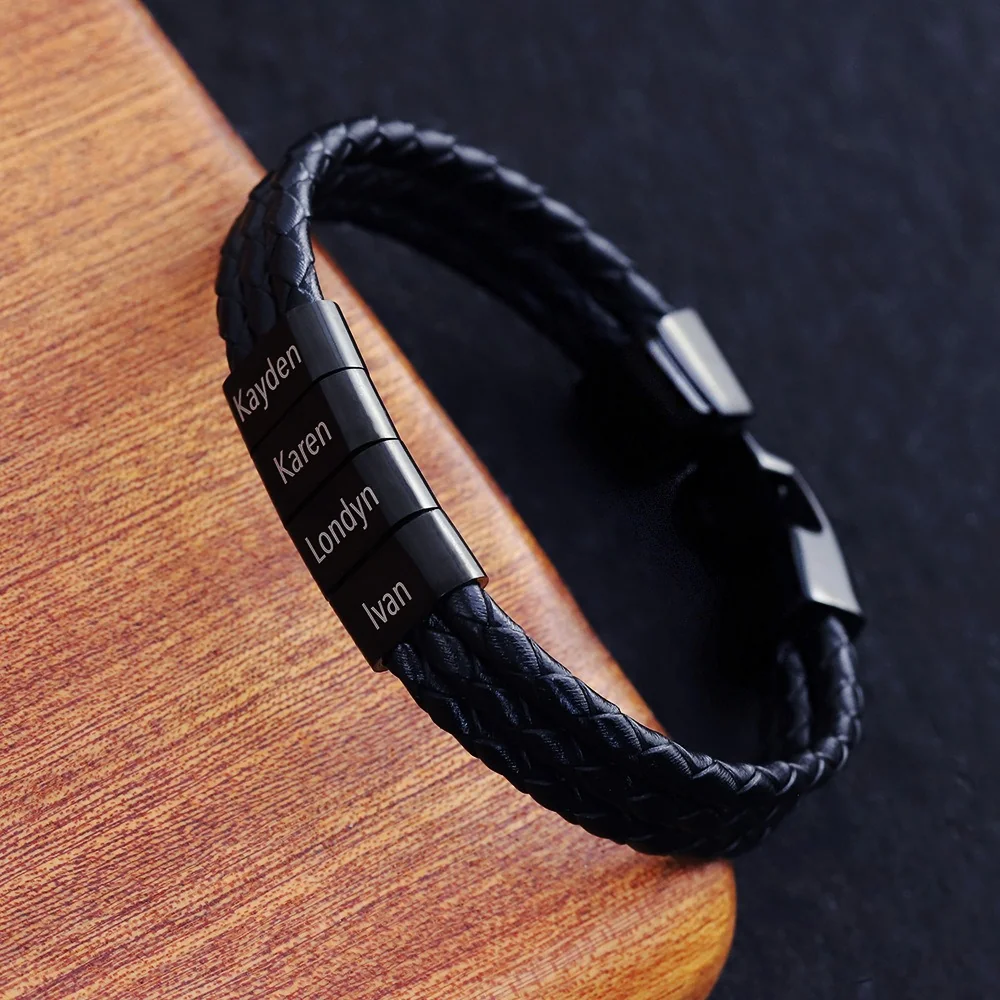
Make the question answerable
For The Double Chain or The Family Bracelet, provide the option, a whole-piece photo, and a close view of the closure. Ask which operating steps and inspection are approved for that component.
Do not bend a tab, lubricate the clasp, or add adhesive on an assumed diagnosis. The current record does not authorize a repair method. A useful reply should explain the exact action or request inspection, rather than merely saying the bracelet is durable.
Identify the closure without guessing its mechanism
Begin with the product identifier and selected version. In your photographs, show where the closure sits in the complete bracelet and then show the component more closely. Use descriptive labels such as “joining part beside the name” if the mechanism has not been identified. A technical name guessed from a picture can send the discussion toward the wrong operating instructions.
Ask for instructions that clearly correspond to that version. A seller's explanation for a different clasp is not useful merely because both are dark-colored. If the instructions contain an unclear step, request clarification before repeating it. The first goal is to know the intended operation, not to prove security through improvised force.
Establish a starting observation
If the piece is new to you, compare its visible arrangement with the supplied instructions and any applicable reference. Look for the alignment and condition those instructions describe. Do not invent a normal operating force or a required clicking sound. Those details need their own applicable explanation rather than assumptions about another accessory.
If you have used the piece before, record what seems different now. “The two visible edges no longer line up as they did” is an observation. “The internal spring is broken” is a diagnosis that may not be supported. A short before-and-current description helps an assessor understand the change without requiring you to identify unseen parts.
Keep inspection separate from repair
| Observation or question | Appropriate record |
|---|---|
| Visible gap | Its location and whether it is new |
| Misalignment | Which edges or components appear different |
| Changed action | How it differs from the known approved operation |
| Unfamiliar operation | Which instruction is missing or unclear |
| Proposed intervention | The exact action that needs approval |
Do not bend, file, lubricate, or glue a component because its shape resembles a familiar mechanism. An inspection request should preserve the condition the assessor needs to see. The current references do not supply a repair method or a guarantee that a visibly joined part will remain secure.
A fictional closure-check example
In this fictional editorial example, Rowan has a bracelet with a compact joining component. Rowan knows the supplied opening method, but notices a new gap after ordinary use. Rowan stops wearing it, takes a whole-piece photograph and a close view, and records when the gap was first noticed. No repeated pulling test is performed.
The first reply asks for the exact version and a view of the opposite side. Rowan provides those without disassembling the bracelet. If the reply later explains an approved operating step, Rowan checks that it refers to the same component. If physical inspection is needed, the piece remains available in its documented condition.
The example does not establish that a gap always indicates failure or that a normal appearance guarantees security. It shows how to preserve an answerable observation instead of replacing it with an assumed diagnosis.
Prepare the information an assessor needs
Include the product and option, applicable instructions, condition photographs, and whether any unapproved intervention has already occurred. If a product was used, name it accurately. If the closure method was never supplied, say that rather than reporting that you have followed it correctly. The request should identify the missing instruction or changed behavior plainly.
Ask which next step is approved for the exact component. A response emphasizing durability or attractive construction does not answer an operation question. If the reply requires inspection, clarify the appropriate process without promising a repair or replacement service to another wearer.
Know what a completed check can establish
Following the supplied operation and finding no visible anomaly can document the condition at that moment. It does not certify future security or replace a product-specific assessment when behavior changes. Likewise, a clear photograph can locate an issue without showing everything inside the component.
Keep the final reply with the version it addresses. If the closure or another component is replaced, confirm the applicable instructions for the changed assembly. The useful outcome is an identified operating method and a clear condition record, with unresolved questions kept visible before the next wearing decision.