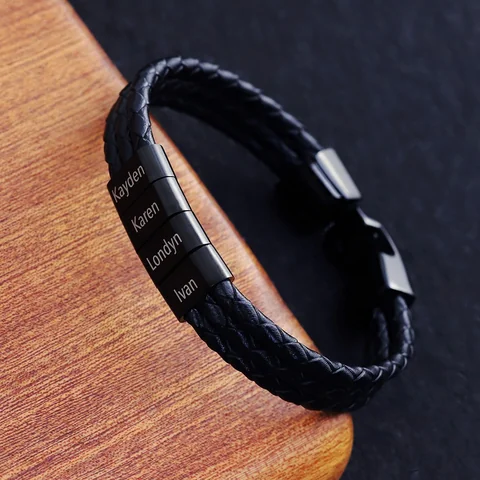
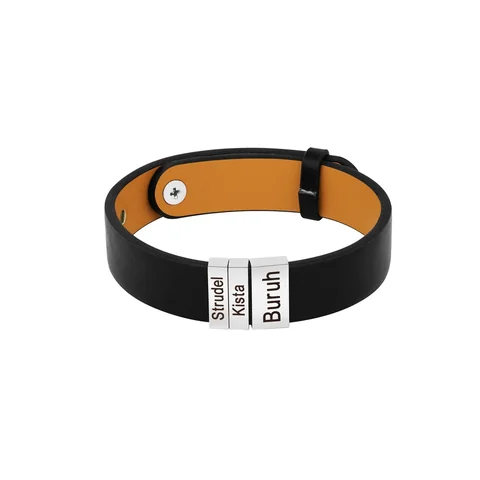
Give each intended piece its own brief. A note containing two name lists and two colors is easy to misread when the versions are not clearly separated.
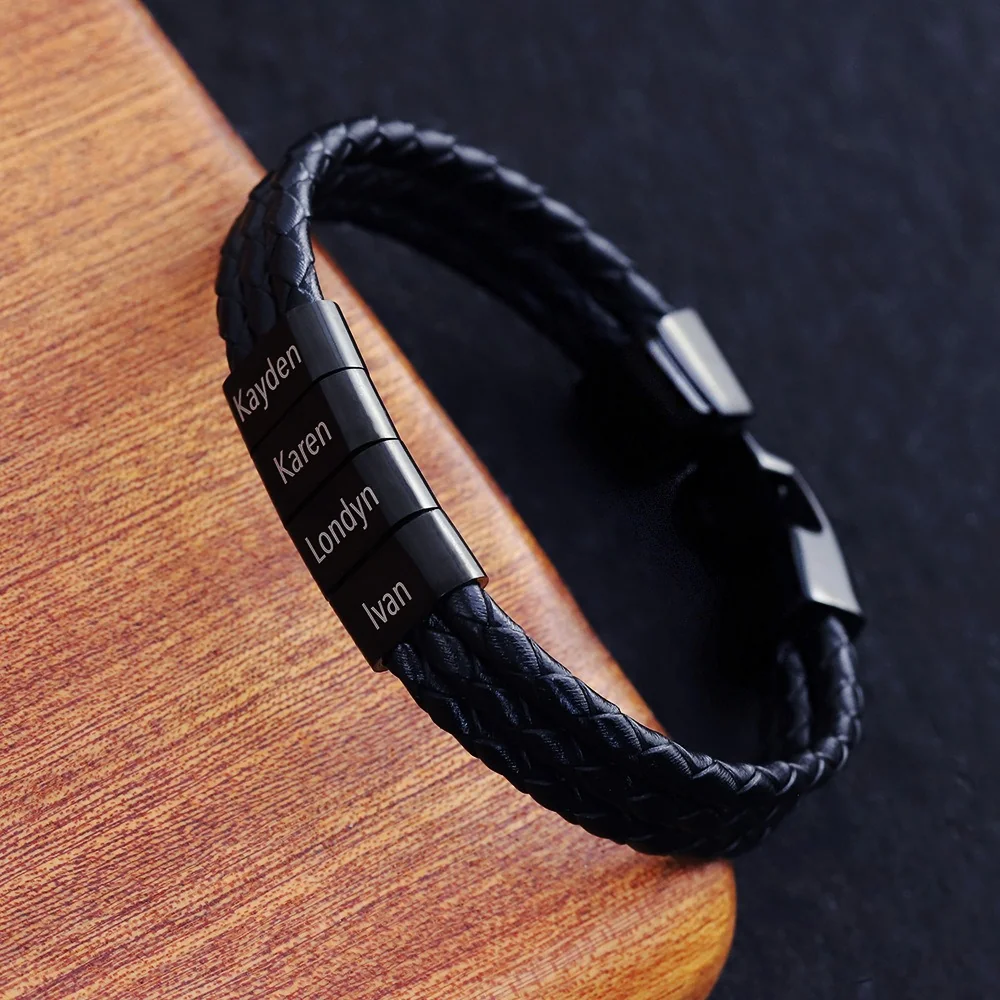
Label the versions clearly
Use private codes such as Piece A and Piece B. For each, record the product ID, selected option, text, name order, fit requirement, and unresolved questions. Keep a single row or document section for each finished piece.
Avoid phrases such as “same as the first, except everything in silver.” List the intended changes explicitly so the remaining fields can be checked rather than guessed.
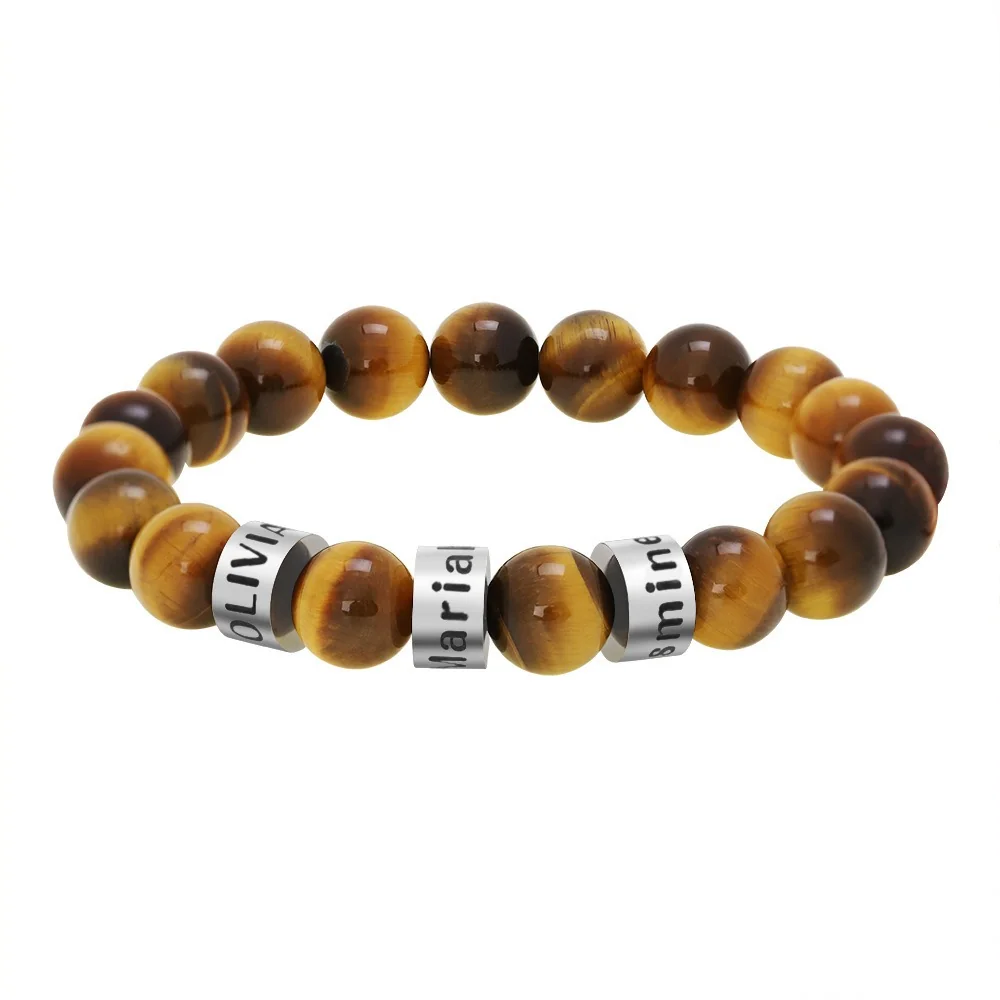
Approve one version at a time
For The Family Bracelet or The Name Bead Bracelet, request separate proofs tied to Piece A and Piece B if that process is available. Compare each with its own brief, then check that the codes still match the intended recipients.
The current records do not confirm an order workflow for multiple designs. This method prepares the information without creating a purchase or assuming a service. If one version changes, revise its version identifier and date instead of silently replacing the shared note.
Give each finished piece a stable identity
Use a code that identifies the intended piece rather than its temporary appearance. Piece A can remain Piece A if its color or name order changes. Add a separate version field for revisions. This is clearer than changing the code every time and losing the connection to earlier decisions.
Keep the recipient mapping private if the shared brief does not need full names. One finished bracelet needs one complete section, even when both pieces use the same product. If one recipient wants two distinct pieces, give those pieces their own records so quantity and personalization remain unambiguous.
Fill both briefs completely
Record the product identifier, option, included components to confirm, exact strings, ordered names, proposed regions, fit information, and unresolved points for each. Do not use the first brief as the unstated default for the second. Similar wording can conceal a different element count or a different region requirement.
| Field | Piece A | Piece B |
|---|---|---|
| Identity and version | Stable code and current revision | Stable code and current revision |
| Configuration | Full intended option | Full intended option |
| Text | Exact string or ordered list | Exact string or ordered list |
| Fit | This wearer's applicable record | This wearer's applicable record |
| Proof | The matching active version | The matching active version |
| Missing information | Specific unresolved field | Specific unresolved field |
The table is a preparation record. It does not establish that a two-design ordering service or separate proof process is available.
Compare the similarities after filling the differences
You can use a shared note for the occasion or general visual goal, but keep it separate from the instructions. After both sections are complete, identify what is intentionally the same: perhaps the band outline or lettering preference. Then identify the deliberate differences. This read-back catches accidental copying while preserving the shared theme.
Do not automatically alphabetize either name list or copy one fit selection to the other. An identical-looking design still needs a separate relationship to its wearer. If one configuration's inclusion count is unclear, mark only that field as unresolved rather than giving both pieces a generic ready status.
A fictional two-design handoff
In this fictional editorial example, Riley prepares one family-name bracelet with three names and another with two names in a different order. The records use Piece A and Piece B, and each names its intended option. Riley compares the lists directly and confirms that the difference is deliberate.
Piece B later changes its element appearance. Riley increments B's version and records which field changed. A's current brief remains unchanged. If a proof service becomes available, each returned proof must identify the stable piece code and matching version before the wording is approved.
Suppose the returned B layout accidentally uses A's three-name list. The code alone does not make it correct; Riley compares it with B's exact text and requests the appropriate correction. The example demonstrates a review method without claiming that an order has been placed.
Reconcile any future order lines with the briefs
If a legitimate ordering process is later available, each intended line should be compared with its complete piece record. Check the quantity, selected option, and corresponding personalization. A line count does not establish that the text was transferred correctly, and a saved layout does not prove acceptance by a manufacturer.
Treat this as a product-specific verification step, and check the current ordering instructions before submitting two different personalization briefs in the same request. Confirm how the service handles multiple distinct pieces and proof versions before assuming that one shared note controls both.
Finish with a two-piece readiness check
Read each section independently, then compare the codes with the intended recipients and the quantity of finished pieces. Record which version is active and which question blocks either design. If A is complete and B is not, the summary should show that difference instead of describing the pair as fully approved.
The reader's concrete output is two recoverable briefs and a small change log. That package can be reviewed by another person without guessing how one design differs from the other, and without treating the preparation record as a purchase or manufacturing commitment.