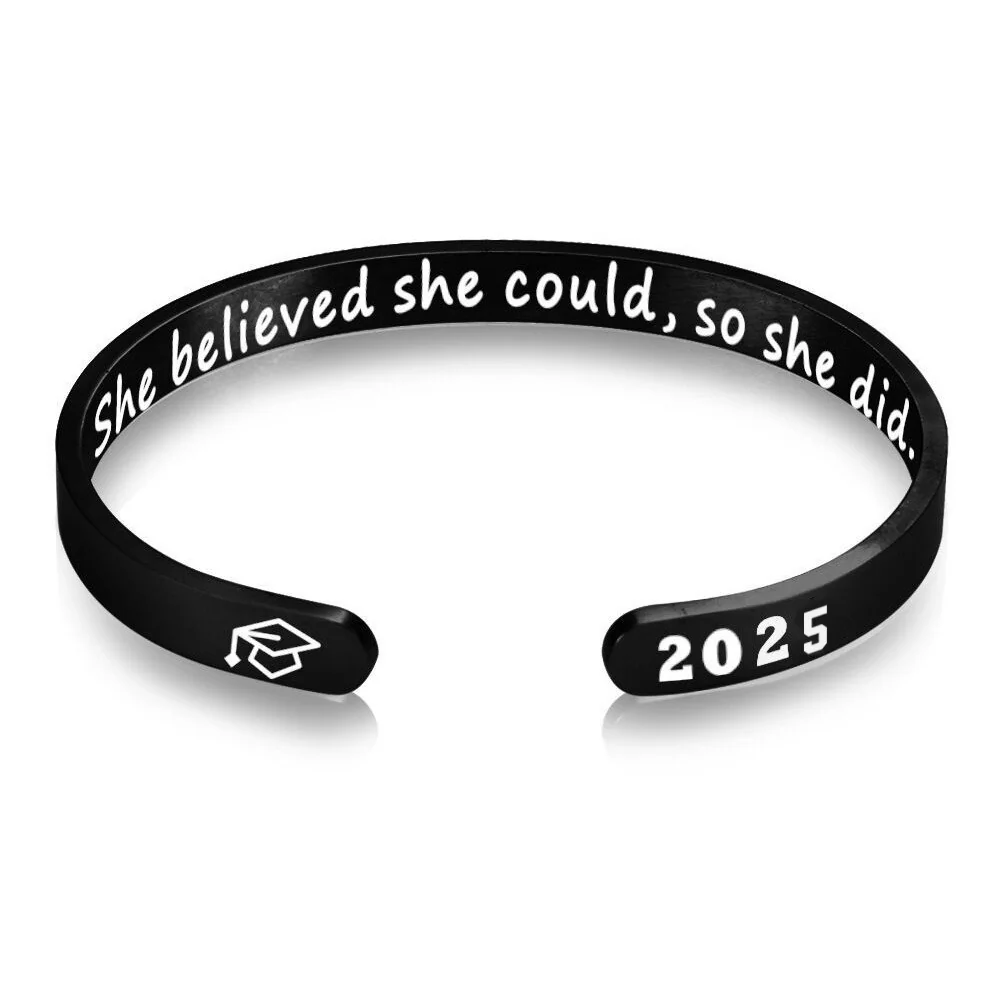
Let the wearer define who belongs on the bracelet and which names they want used. A blended family does not need to fit a predetermined list of relationship labels.
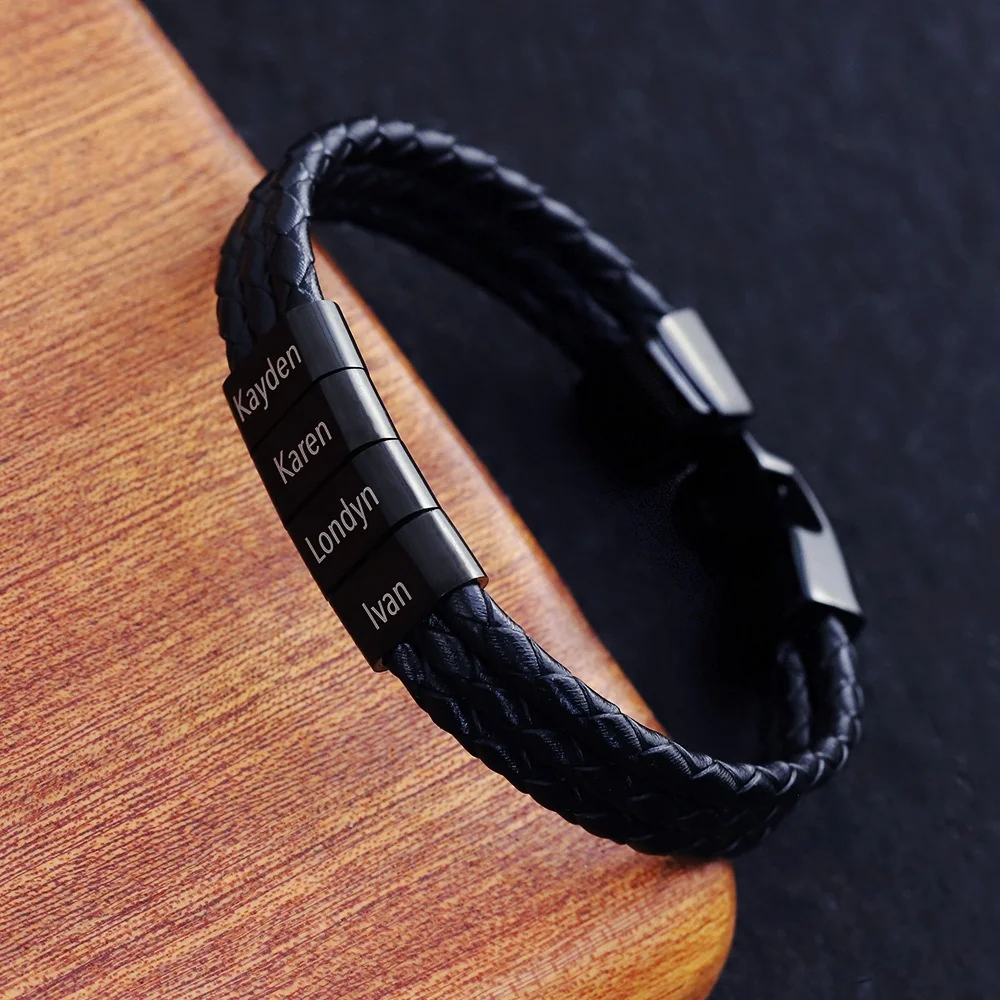
Ask about the list before the order
A neutral question is: “Whose names would you like included, and what name should I use for each person?” Avoid supplying a list that forces someone to correct an assumption about a relationship.
Keep a private table with the chosen name, exact spelling, permission to use it, and any unresolved question. A preferred nickname can be recorded if the person approves it. Do not substitute a legal name merely because it seems more formal.
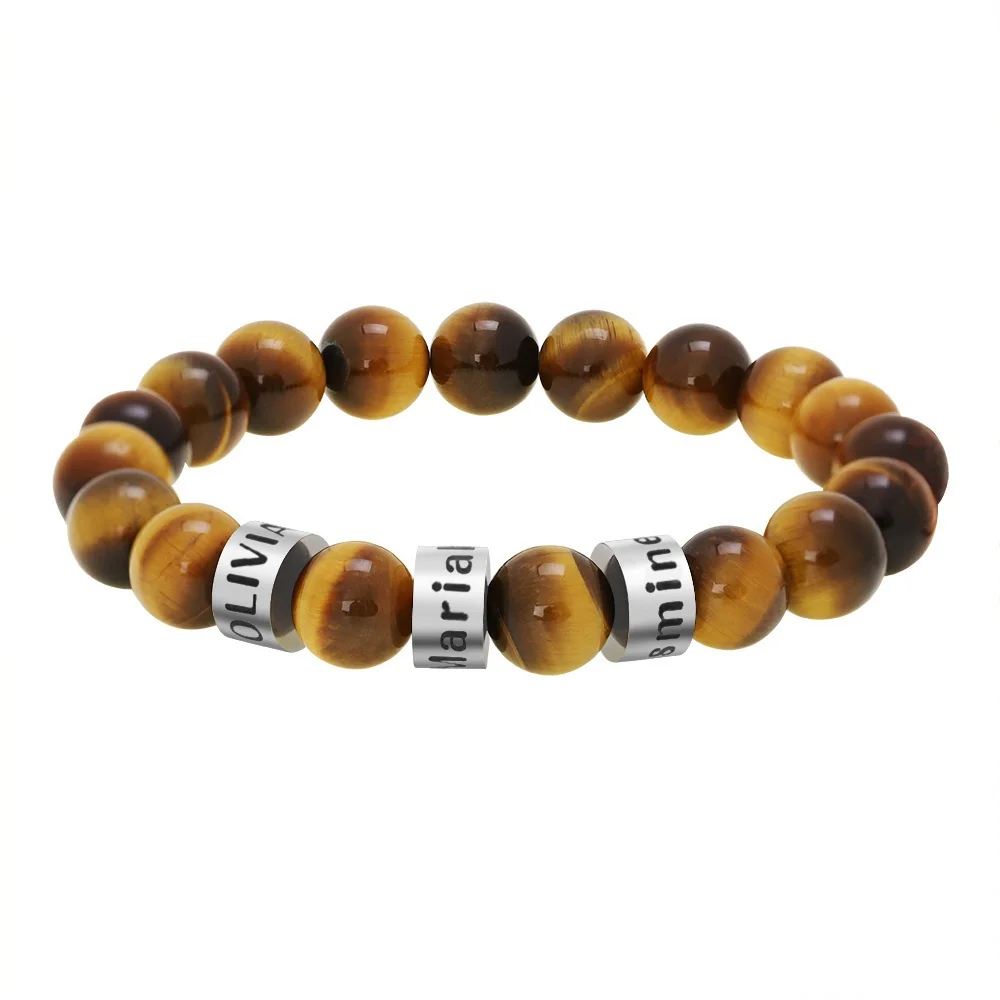
Do not let a pictured count decide inclusion
If the desired list is longer than a confirmed configuration permits, discuss another layout or a shared word. Do not silently remove a person to match a photograph.
Compare The Family Bracelet and The Name Bead Bracelet only after the list is agreed. Manufacturing limits, future additions, and the start of the reading sequence require separate answers. The final brief should reflect the family's chosen names rather than a supplier's sample arrangement.
Offer a blank list instead of a family diagram
Begin with empty name fields and an invitation to choose. A prefilled tree can imply which relationships deserve entries or how people should be grouped. A blank list gives the wearer room to describe the people and wording they want without first correcting your assumptions. The bracelet's purpose may be children, a household, several generations, or a smaller personal group.
Ask which names should be visible and whether anyone prefers a different display form. Use the chosen spelling, including a nickname if that is the approved form. Keep the explanation of each relationship private unless it is actually part of the requested inscription. The maker usually needs the text and arrangement, not a history of how the family was formed.
If the wearer would rather use a shared word, treat that as a complete choice rather than an incomplete name list. It may express the desired meaning without identifying everyone individually. Confirm the word and its purpose, then evaluate a supported text layout. Do not add individual names back into the brief merely because a supplier photograph shows several.
Give people a manageable review task
Prepare a spelling sheet with one entry per line. Ask the wearer to confirm the intended list, then ask the relevant people to verify their chosen display names where appropriate. Keep the questions narrow: is this the name you want used, and is it spelled correctly? A jewelry brief does not need to force a broader discussion about relationship labels.
When several people respond, maintain one current list. Mark a suggested addition as pending until the wearer agrees. Mark a spelling correction distinctly from an inclusion change. That separation makes it easier to see whether the task is correcting text or changing who the design represents.
If someone does not want their name displayed, record the decision without trying to solve it through a clever abbreviation. An initial may still identify them in the intended setting. The wearer can choose a different shared reference or omit an individual entry according to the agreed purpose. Keep the decision visible in the private planning record while limiting what is sent for production.
Use a fictional list-building conversation
In this fictional example, a giver initially expects a four-name arrangement because the reference photograph shows four elements. The wearer instead chooses five people and uses two preferred nicknames. The giver copies that chosen list into a spelling sheet and removes the pictured count from the inclusion discussion.
The supported configuration has not yet been confirmed, so the giver does not promise five separate elements. They first preserve the requested list and then evaluate whether a documented layout can represent it. If no supported option fits, the wearer can consider a shared word or another design. The list is not quietly reduced to match the photograph.
During review, one person changes a nickname's capitalization and another suggests adding a relationship label. The giver records the capitalization correction and returns the label suggestion to the wearer as a separate decision. This prevents an optional wording addition from changing the agreed nature of the inscription without approval.
Address future changes without promising alterations
A family list can change, but visible separate elements do not establish a future-addition service. Ask about expansion only if that capability is essential to the choice. If it remains unsupported, decide whether the wearer accepts a piece that records the chosen list at this time. Do not describe the bracelet as permanently expandable on appearance alone.
You can keep a dated private list with the gift note to explain what the piece represents. That record does not need to imply a ranking among people who were included, omitted, or later became part of the family. It records a chosen inscription for a chosen moment.
Once inclusion and spelling are settled, move to ordering and region assignment as separate tasks. Your final packet should contain the current list, approved display forms, unresolved capability questions, and the wearer's chosen purpose. A supplier example helps visualize the arrangement; the family decides the membership and meaning.