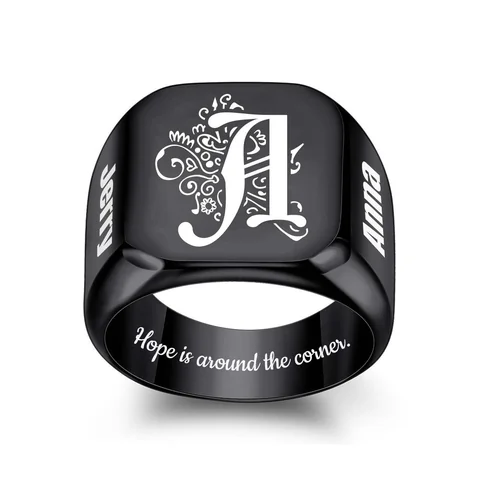
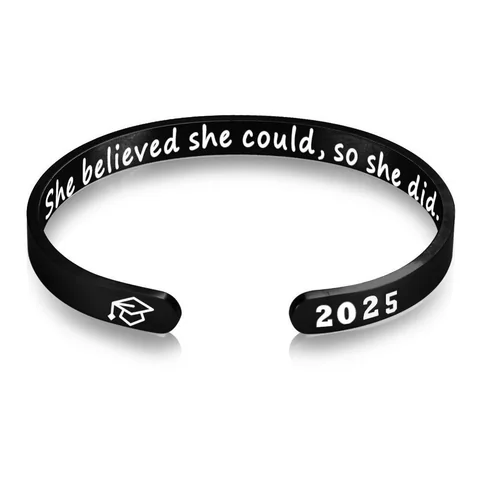
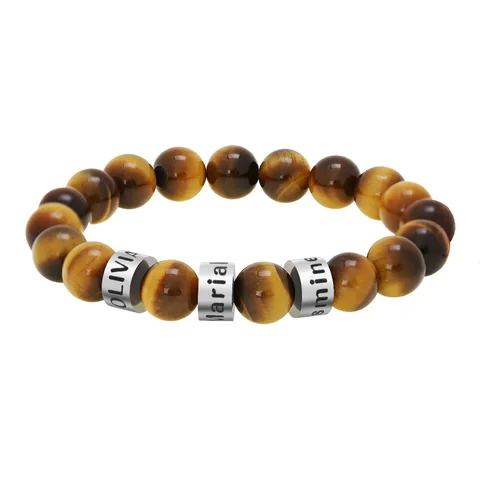
Keep the person's name intact while you check whether the chosen lettering method supports it. Removing an accent to fit a form changes the submitted name; it is not a neutral formatting step.
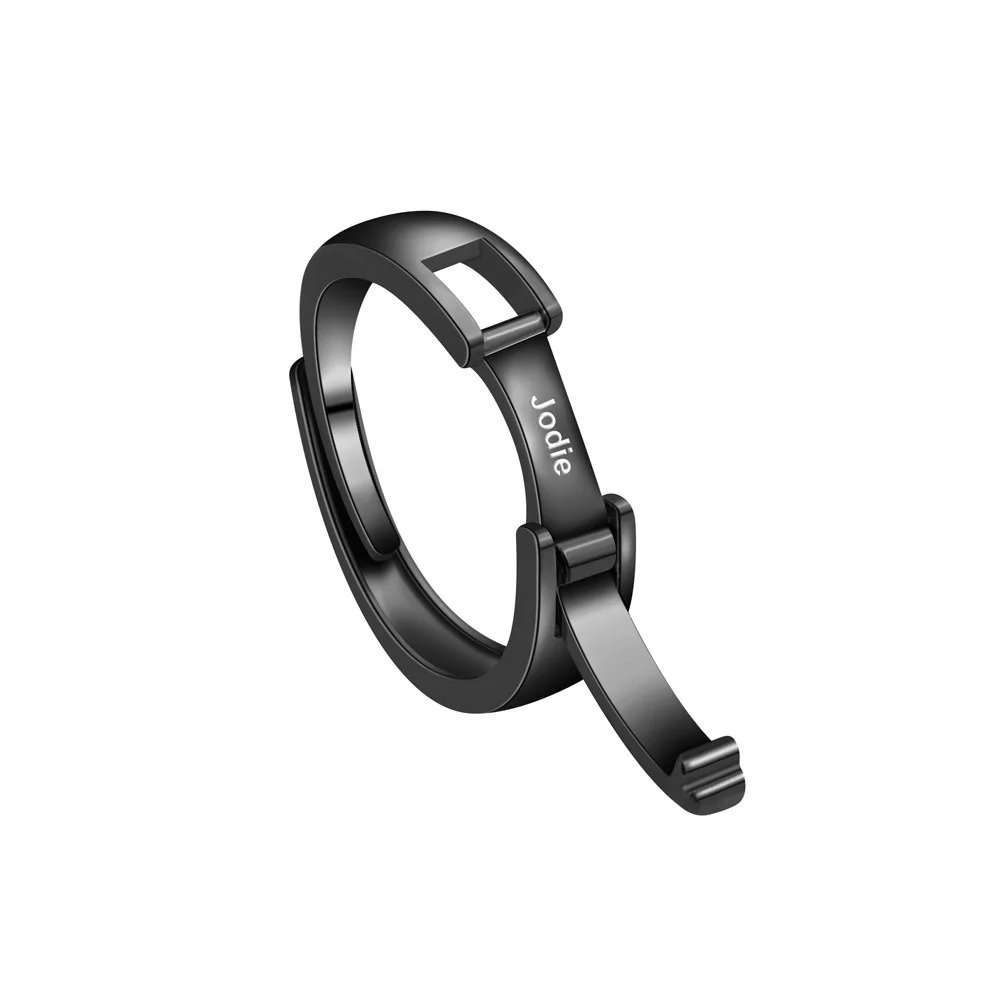
Send both the string and a visual reference
For the fictional example “Zoë,” send that exact text in a plain-text file or message and a clear visual reference of the intended spelling. Identify the character that needs special attention: the diaeresis over the e. This helps distinguish a display problem from a deliberate spelling change.
For a name in another writing system, have someone familiar with the name check the final proof. A font displaying something in a preview is not enough to establish the correct character or reading direction.
Resolve support before selecting a substitute
Ask: “Can this exact name be produced in the selected region and font? Please show the final character forms.” If the answer is no, discuss another supported design or a spelling the wearer personally accepts. Do not invent a transliteration.
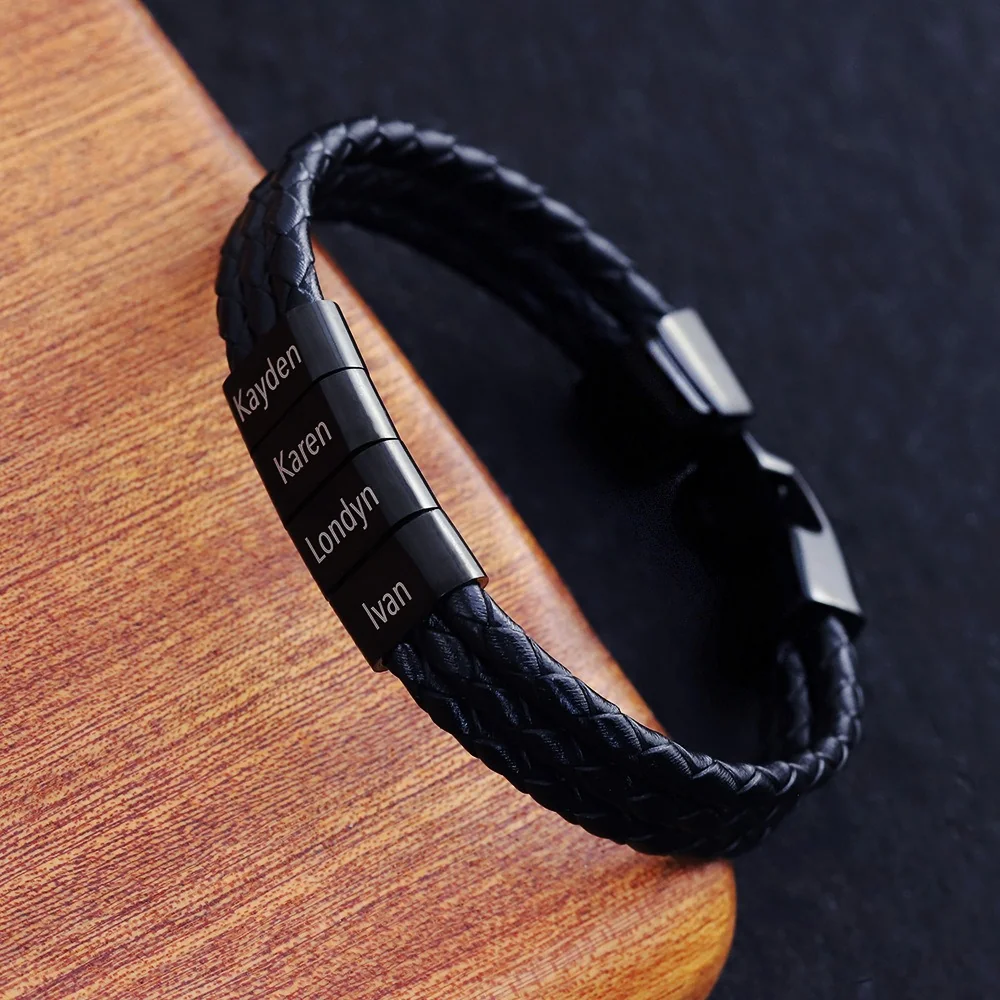
The Name Ring and The Family Bracelet need separate production answers. Their current references do not confirm non-English character support. Preserve the original spelling in your brief even if a temporary preview fails to display it.
Treat the name master as the reference that does not change
Ask the wearer to provide the name exactly as they want it written. Copy that version into a plain-text master and keep a clear image of the same spelling beside it. The image helps a reviewer see the intended letter forms; the text helps identify what was requested. Neither replaces a production proof of the selected method.
For a fictional example, “Renée” should not silently become “Renee” because a temporary form fails to display the accent. If the system or maker cannot support the original, that is a support question to resolve. The wearer can choose an alternative, but the choice belongs to them.
Point to the specific character that needs attention
Describe the location of the special character in the brief and include the visual reference. For the example above, identify the accented e rather than sending a general request for “foreign lettering.” A focused note reduces uncertainty about whether the maker understands the intended spelling.
If the name uses another writing system, avoid describing it through an improvised English approximation. Ask someone familiar with the name to check the exact proof. A reviewer who recognizes only the overall shape may miss a changed character or an unintended arrangement.
Where a name has more than one accepted written form, ask which form the wearer wants on this piece. Do not choose among them by whichever happens to fit the first preview. The design should be evaluated against the selected identity, not the other way around.
Separate three kinds of support question
The input field may accept the text. The selected font may display the text. The production method may be able to reproduce the text in the chosen region. Those are three distinct questions, and a satisfactory answer to one does not establish the other two.
Request the actual proposed character forms, not only a statement that the process supports languages. If the maker offers another font, ask to see the complete name in it. A font sample containing unrelated letters cannot confirm how the requested name will appear.
Ask whether any part of the proof has been replaced with a generic example. A convenient sample name may show the region while leaving your spelling unresolved. Keep the proposal labeled as a sample until the exact name is displayed and reviewed.
Review marks, order, and spacing together
Start by matching every visible character with the master. Then check the placement of accents or other marks. Finally review spacing and the intended reading arrangement. If the name is divided across components, ask whether that division is wanted and supported; a complete spelling can still be presented in an unsuitable order.
For a list of names, check each entry separately. One correctly rendered accented name does not confirm another entry in a different writing system. Record any unresolved entry so the overall layout is not mistakenly treated as complete.
A proof should show the proposed scale and region. If it is enlarged for detailed review, ask for an intended-scale representation as well. The larger view helps inspect spelling, while the scale reference helps discuss whether the treatment is suitable for the small surface. Neither is a claim that a finished piece has been independently tested.
Use a fallback that the wearer authorizes
If the exact spelling is unsupported, consider another confirmed font, another supported region, or another design. Moving the full name to a gift note is also possible. Removing a mark or choosing a transliteration should be an explicit personal decision rather than a silent technical workaround.
Keep the original master alongside any accepted alternative and explain why it changed. For example, “Wearer selected this alternative spelling after the original method was unavailable” preserves the decision. Do not present the alternative as though it were the only correct spelling.
The useful result is a preserved identity and a precise support request. Current Name Ring and Family Bracelet references do not provide manufacturing approval for these characters. A careful brief prepares the next review while leaving that missing evidence visible.