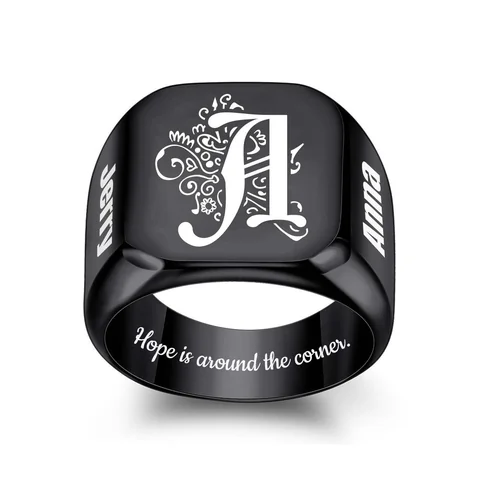
Request a quote for the complete selected configuration. A base figure is difficult to compare if you do not know which names, regions, and parts it includes.
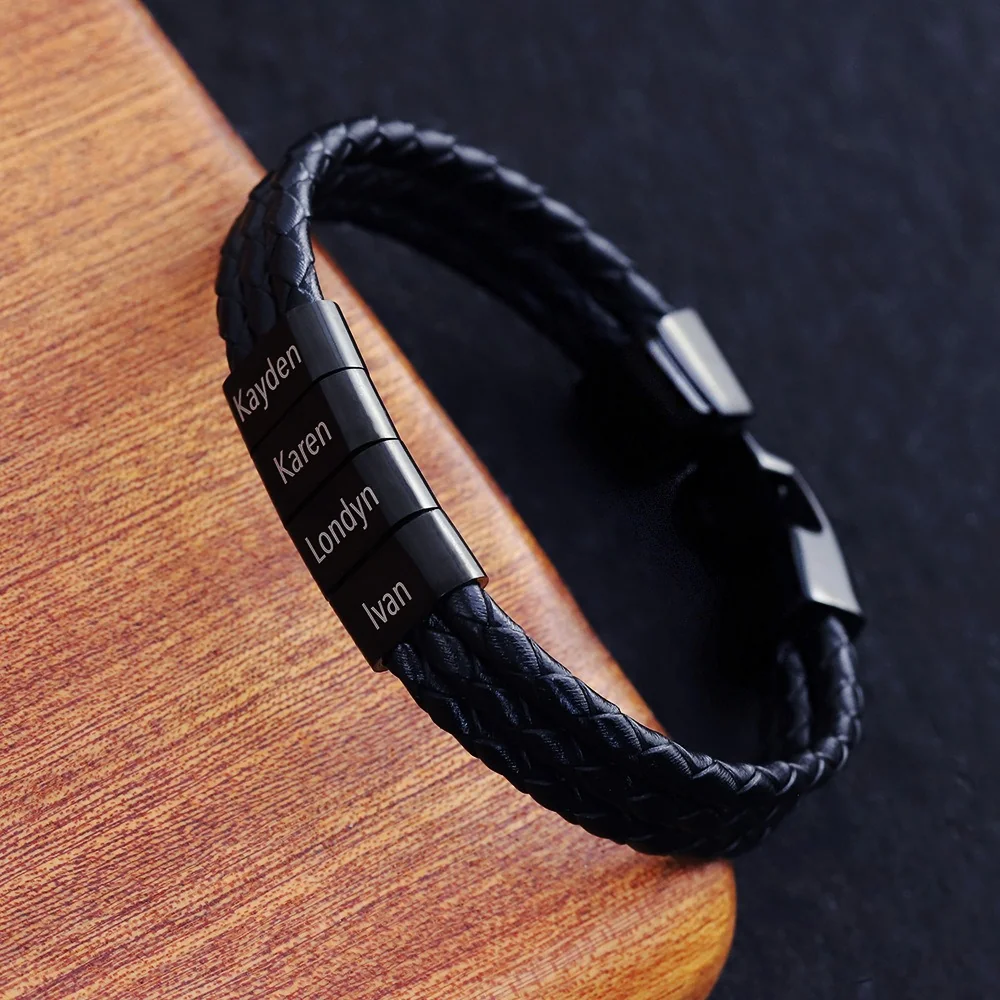
Ask for an itemized scope
List the product ID, option, name-element count, exact text, and intended regions. Then ask which personalization is included and which requested changes would be separate charges. Keep the currency and delivery destination with the request.
Record delivery charges, any stated taxes or fees, and the point at which a complete payable total would be shown. Do not fill missing items with zero; a blank line is not evidence of a free service.
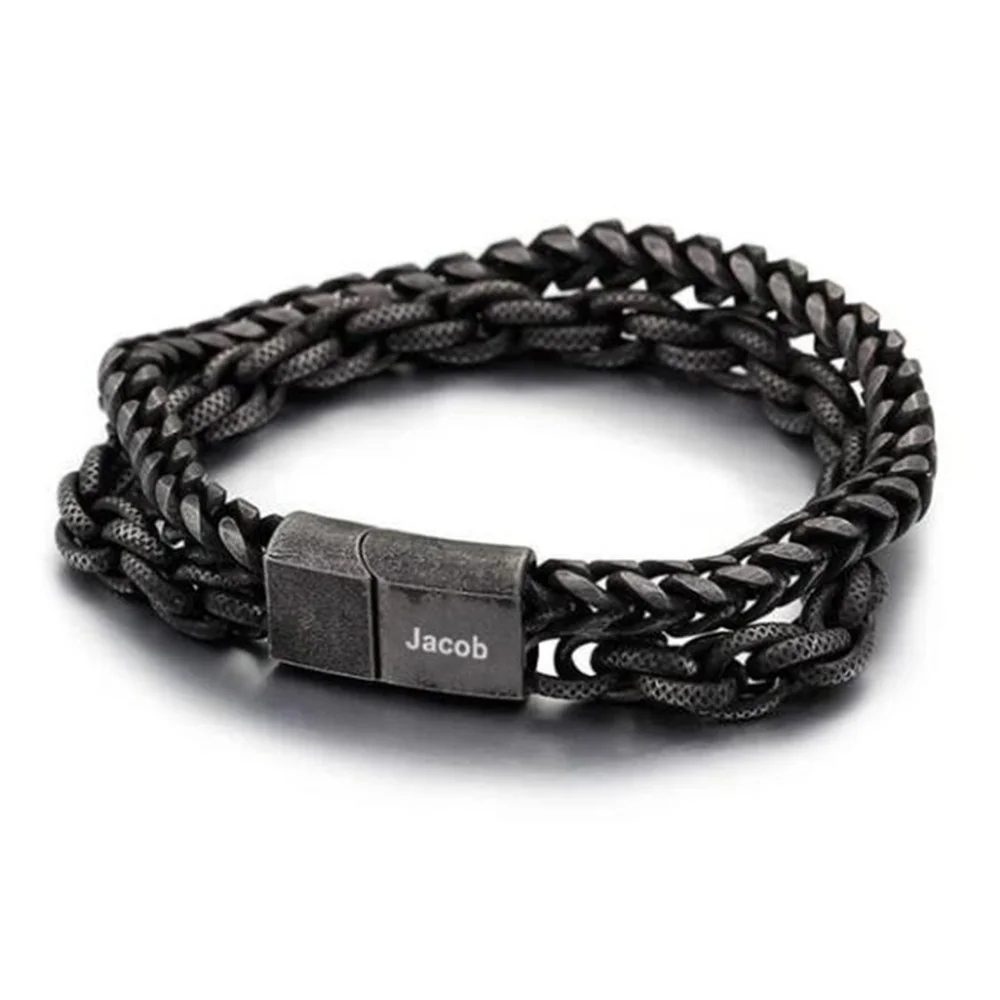
Compare totals only after the scopes match
For The Family Bracelet or The Double Chain, ensure that the quote describes the selected configuration and every requested personalization. A later extra region needs a revised quote, not a silent assumption.
Check the current Energvia product page, selected options, and itemized ordering information before deciding what the complete gift will cost. A reference page value or a working text field does not establish a payable quote. Keep budget decisions provisional until purchasing state and the complete terms are confirmed.
Prepare the configuration before requesting figures
Write the product identifier, exact option, intended quantity of finished pieces, and complete personalization. Separate the number of names from the number of bracelets. Three names on one piece and three individually personalized pieces are different requests and need different quote scopes.
If the layout includes several regions, name each one and supply its exact text. Mark proposed extras as separate requests so the seller can explain whether they are included, available for an additional charge, or unsupported. Do not turn an optional preference into a presumed included service.
Use a quote sheet with visible unknowns
| Quote field | Information needed |
|---|---|
| Piece and option | Exact configuration being described |
| Included components | The band, elements, and other stated parts |
| Personalization | Exact strings, regions, and included work |
| Optional changes | Separate scope and stated charge, if offered |
| Delivery | Destination basis and stated service or charge |
| Other stated amounts | The seller's identified taxes or fees |
| Currency and total | The applicable currency and complete stated figure |
| Validity and conditions | Any stated date or requirement affecting the quote |
This is an information worksheet, not a calculation of tax liability or imported cost. Do not invent fees that have not been stated or interpret a missing line as zero. A total without a clear scope may still be unsuitable for comparison.
Distinguish not included from not supplied
If the seller explicitly says that a requested region is not included, record that answer. If the seller says nothing about the region, record not supplied. Those statuses have different meanings. The latter requires clarification before a complete comparison can be made.
Apply the same distinction to delivery and packaging. A base figure may describe the item without addressing either. Do not add a guessed shipping allowance and call the result the seller's total. Ask where a complete payable figure would be shown and which conditions it depends on once purchasing is available.
A fictional scope-first comparison
In this fictional editorial example, Dana wants one bracelet with three names and asks about an additional phrase. Quote request A includes the three names but leaves the phrase optional. Quote request B describes a different structure with one continuous text region. Dana records that the configurations carry the message differently before comparing any figures.
If the reply to A identifies an extra charge for the phrase, Dana keeps it in a separate line and decides whether the phrase is still wanted. If B cannot support the same phrase and names, it is not an equivalent quote scope. Dana can revise the briefs or compare the different outcomes honestly.
No numerical quote is invented in this example. Its purpose is to show that a lower-looking base figure can describe a different result. The comparison becomes usable only after the intended message, included quantity, regions, and delivery basis are identified.
Keep quote revisions tied to design revisions
If the name count, option, region, or quantity changes, request an updated scope. Keep the prior quote labeled with its earlier brief rather than reusing its total for the revised design. A new layout can be an editorial change and still affect what the quote describes.
Record the reply date and any stated validity condition. An old figure should not be presented as current simply because the product identifier is unchanged. If the response refers to another option, correct the mismatch before comparing it with the active request.
Prepare a decision-ready summary
List the complete stated figure if one exists, the configuration it covers, what is excluded, and what remains unanswered. For a budget decision, unresolved charges should remain unresolved rather than being estimated into certainty. You can decide that the available information is insufficient without concluding that an unknown service is free or expensive.
Keep purchasing availability visible throughout the record. Current Energvia reference values do not establish a payable offer or accepted transaction. The reader's immediate output is a precise quote request and a consistent comparison sheet, which can be used when an approved ordering process and complete terms are supplied.