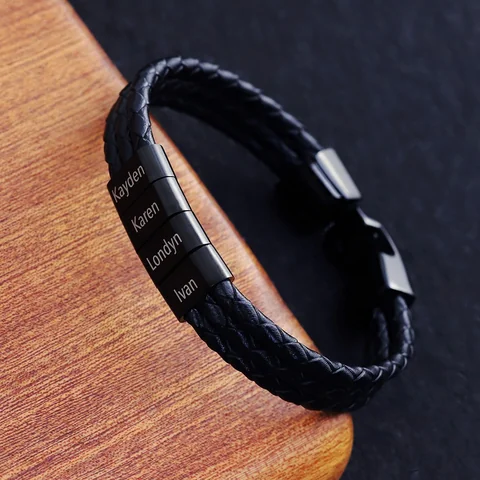
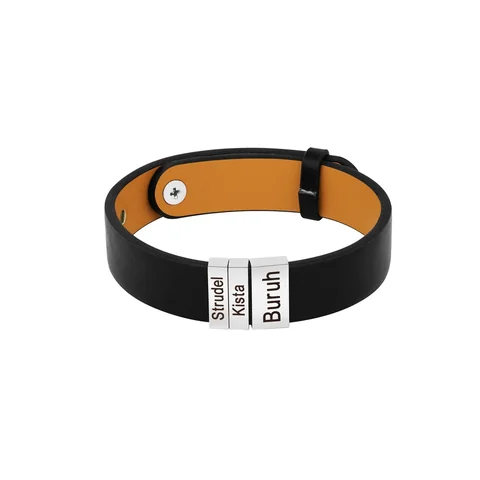
Give each person a separate brief even when the group shares a word or occasion. A repeated theme does not make the names, sizes, and preferences interchangeable.
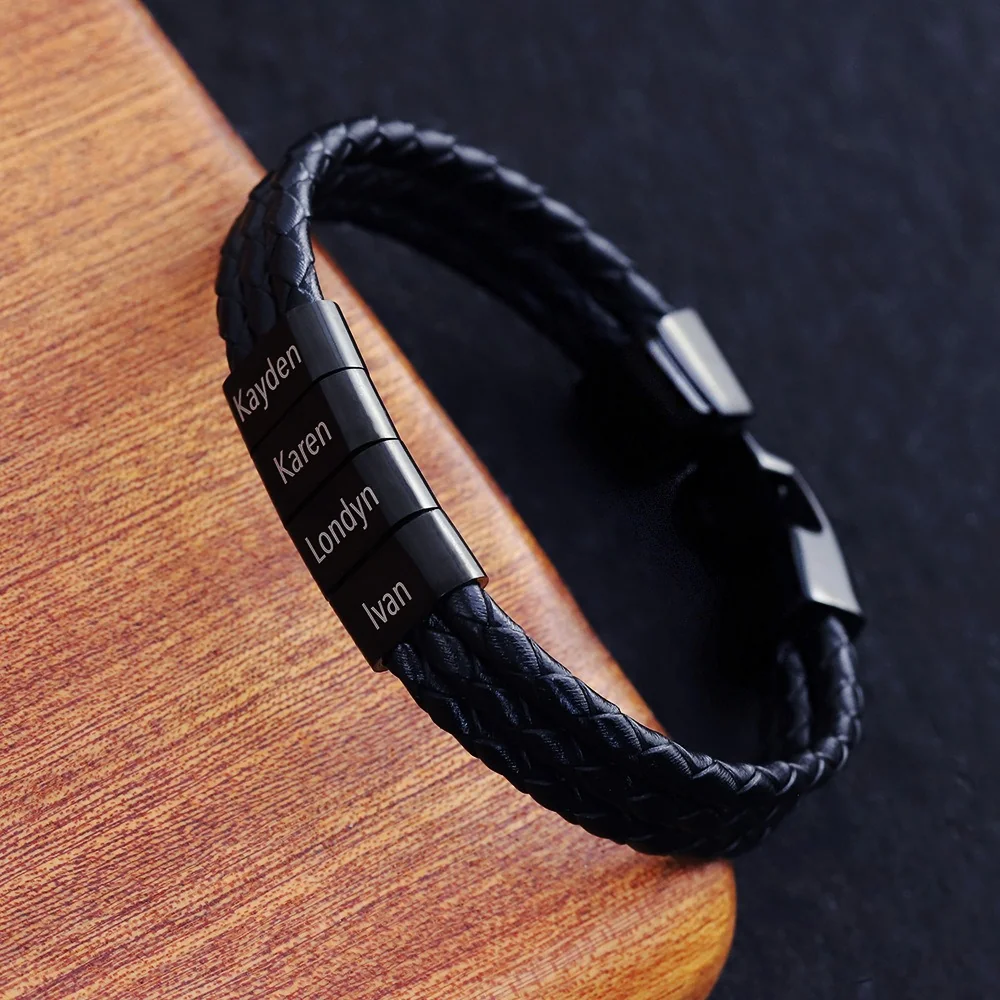
Use one row per finished piece
| Field | What belongs in the row |
|---|---|
| Recipient code | A private identifier linking the brief to the person |
| Product and option | Exact ID and intended configuration |
| Text | One approved string or ordered list |
| Fit | Actual measurement and confirmed size selection |
| Proof version | The specific version the person reviewed |
Do not reuse a sample name in an unfinished row. Mark unresolved fields clearly so they cannot be mistaken for approved values.
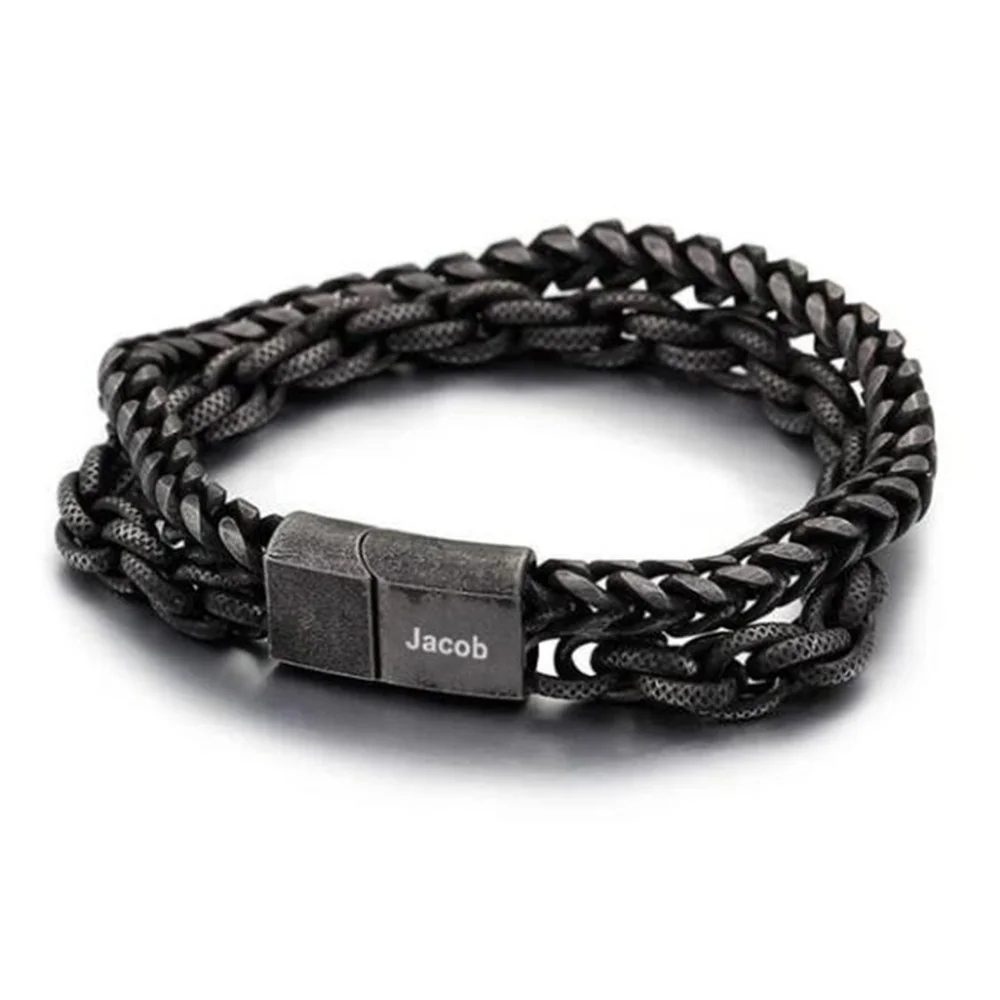
Resolve group services separately
Ask whether the seller accepts the intended quantity, whether the pieces are individually labeled, and how separate approvals are handled. The current The Family Bracelet and The Double Chain records do not confirm bulk services, discounts, or turnaround.
Have someone compare each final proof with its row. Keep a change log if one person updates a name or option; do not quietly alter the shared sheet after approvals have been collected.
Separate the shared occasion from individual instructions
Put the occasion in a short cover note, then keep personal specifications in individual rows. “Four gifts for the same reunion” explains why the requests belong together. It does not tell the maker to repeat one inscription, use one size, or supply a multi-name bracelet instead of four separate pieces. State the requested number of finished pieces plainly.
Assign a recipient code before gathering details. The code should remain the same if a person changes the product or inscription. This gives the coordinator a stable reference without circulating more personal information than the task requires. Keep the private recipient-name key separate if the shared document can be viewed by people who do not need it.
Collect exact strings instead of interpreting replies
Ask each participant to provide the final text in writing. A message such as “use my usual nickname” leaves the coordinator guessing. Copy the approved string into the row, preserving punctuation and case, and have the participant confirm it there. If several names belong on one piece, record the order as part of the instruction rather than sorting the list automatically.
Keep measurement and size selection in different fields. A wrist measurement with its unit describes the person; an approved product size describes the intended piece. If a seller has not confirmed how the two relate, the size field stays unresolved. Do not fill an incomplete row using another participant's information simply because their wrists seem similar.
Give the group a readiness status
Use descriptive statuses such as “details missing,” “ready for feasibility check,” “proof returned,” and “proof approved.” These refer to the preparation stage, not to an accepted order or guaranteed production. Each row should explain what remains missing. “Waiting for size recommendation” is actionable; a green cell without an explanation can hide an unresolved question.
Before sending a consolidated request, compare the piece count with the number of active rows. Identify canceled or duplicate rows clearly. If a participant wants two pieces, create two rows even when the text is the same, because the versions or fit requirements may differ. The maker should not have to infer quantities from the number of names.
Use two different review passes
In the first pass, the recipient checks personal choices: the wording, name order, intended appearance, and fit information. In the second, another reviewer checks the transfer between the approved row and the returned proof. That reviewer looks for transcription errors, switched recipient codes, and option mismatches rather than rewriting anyone's message.
A useful read-back includes the recipient code, product identifier, exact text, and proof version. Read punctuation aloud when it could change the result. Check the displayed string directly against the approved one; memory is a poor substitute when several pieces contain similar names. Save a revision if a correction is requested and leave the previous proof marked as superseded.
A fictional coordination example
In this fictional editorial example, a coordinator prepares three gifts. Recipient A chooses “Sam,” recipient B chooses “Samantha,” and recipient C chooses two names in a specified order. The drafts deliberately remain different. The coordinator does not expand Sam's name to match Samantha or alphabetize recipient C's list.
Recipient B later changes the intended option. The coordinator records the change against B's code and requests a new proof for that row. A and C do not need their wording reinterpreted, but the group readiness summary must show that one proof remains outstanding. If a combined service requires all approvals together, that condition needs explicit confirmation; it cannot be assumed from this planning example.
Plan identification at handoff
Ask how an accepted group request would preserve recipient codes through proofing and packaging. If individual labeling is unavailable, decide how the organizer will identify pieces from their approved specifications without mixing them up. Do not promise a particular packaging service to participants until it has been confirmed.
The final coordination package consists of the active rows, their matching approval versions, and a short list of unresolved service questions. It should be possible for another reviewer to follow every piece from recipient preference to its exact proposed specification. That clear handoff is useful whether the eventual requests are handled together or separately.