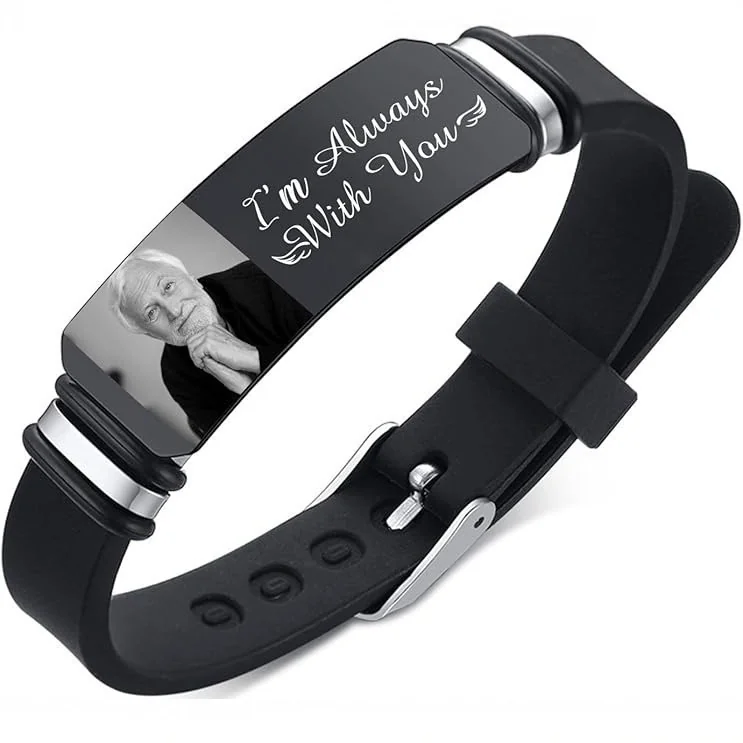
Identify the components before choosing a cleaning method. A bead bracelet can combine several materials or treatments, and a single material label may describe only one part.
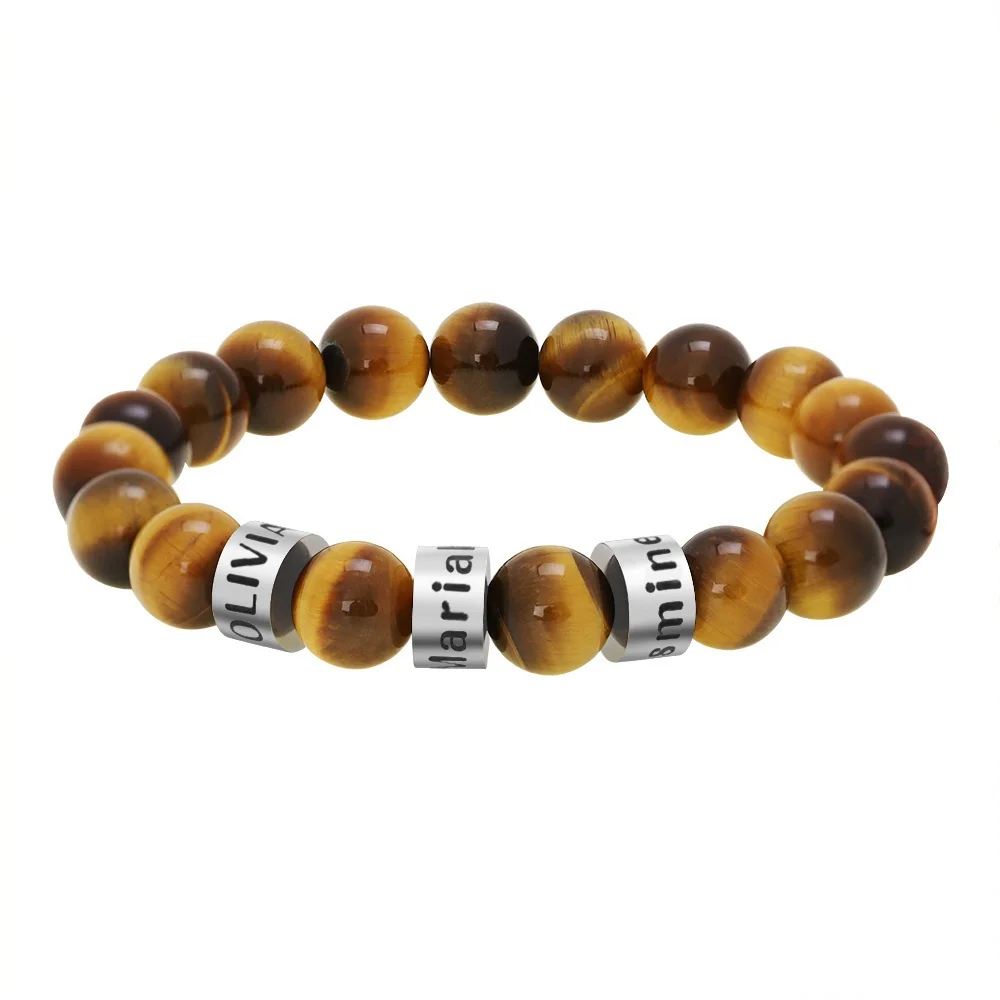
Build a care request around the actual piece
List the band, beads, name elements, closure, and any image area. Ask for the confirmed material and approved care method for each. Record unknowns rather than naming a gemstone from color.
GIA's jewelry-cleaning guidance explains that different materials can require different cleaning methods. It does not provide a cleaning recipe for these unverified components.
Wait for a method that covers the whole arrangement
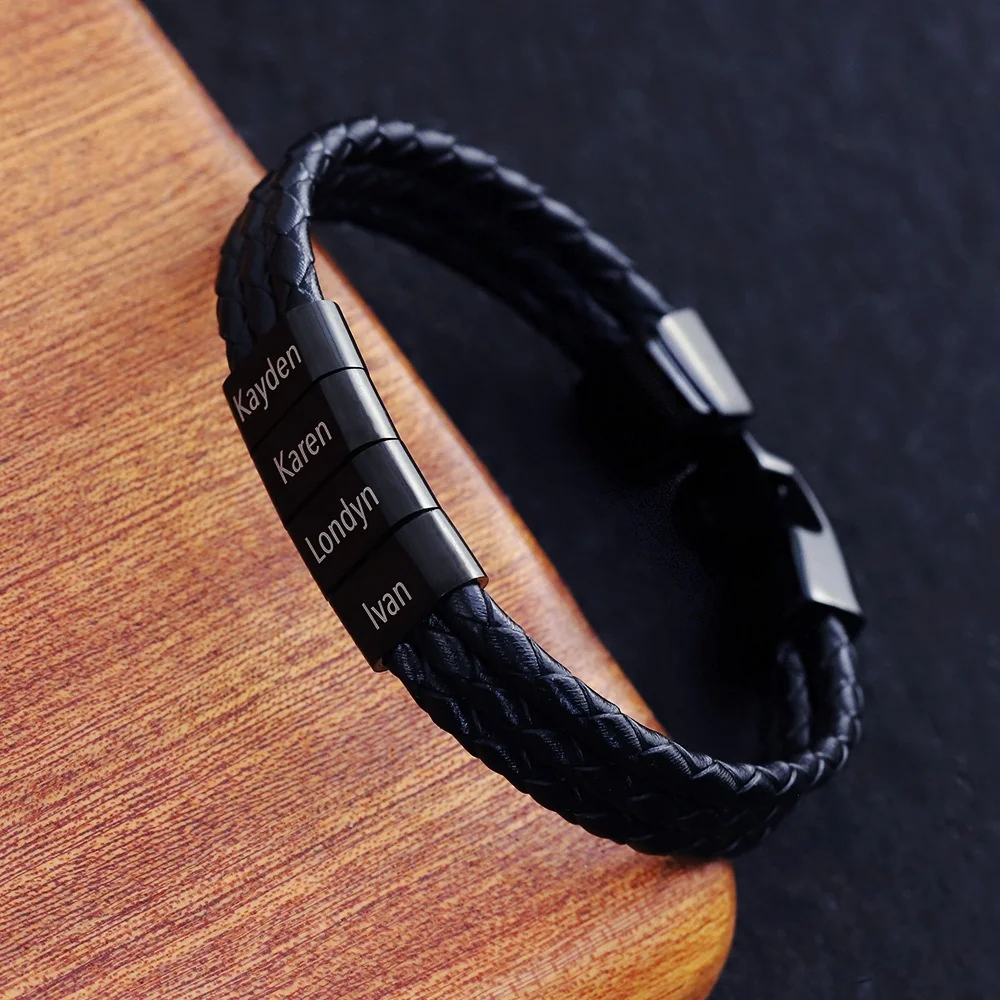
For The Name Bead Bracelet or The Family Bracelet, ask whether the method is safe for every component together and which tools or products should be avoided. Do not assume a polishing cloth or ultrasonic cleaner is appropriate because it is sold for jewelry.
If the reply addresses only the metal part, follow up about the band and beads before using it on the whole piece. Keep the exact option beside the instructions so a later material change triggers another check.
Map the assembled bracelet before selecting supplies
Make a simple diagram or annotated photograph of the bracelet as it is. Identify the repeated beads, the name elements, the supporting band, and the closure if one is visible. You can label them with letters so the care discussion does not depend on guessing a gemstone or technical construction. Keep the map separate from any instruction to remove parts; observing the arrangement does not authorize dismantling it.
Beside each label, write the material information actually supplied and its source. If an archived listing uses a material term but the exact variant remains uncertain, note that limitation. The assembled piece is the relevant object for the cleaning decision. A statement about one decorative part cannot silently become approval for everything touching it.
Ask what happens at the boundaries
Care instructions should address where components meet as well as their broad surfaces. If a proposed method is described only for the metal area, ask whether it may contact the adjacent bead, band, or inscription. You can frame this as a compatibility question without predicting a particular type of damage. Do not work a product into a seam or around a name element to see whether it helps.
If the seller suggests removing a component before treatment, ask for the approved procedure and who is intended to perform it. An accessible-looking part is not proof that removal is a user operation. Until that point is established, keep the map as an observation tool and leave the construction unchanged.
Organize the response by scope
| Care question | Answer to retain |
|---|---|
| Which configuration is covered? | The exact option and assembly |
| Which components are identified? | The material statement for each labeled part |
| Is the method for the whole piece? | An explicit complete-assembly answer |
| Are any parts excluded? | The specific area and restriction |
| Is separation required? | An approved procedure or inspection requirement |
| What remains unresolved? | The missing component or instruction |
This table is a request record rather than a cleaning recipe. Do not fill the method column with advice from a similar-looking product. If the supplier's answer is incomplete, the table makes the missing point easy to ask about without repeating the entire inquiry.
A fictional component-care discussion
In this fictional editorial example, Cameron has a bead bracelet with two name elements. Cameron wants to clean a mark near one element, but does not know the band material. The supplier replies about the visible metal component only. Cameron records that reply and asks whether the proposed method applies while the element remains on the band, including contact with the surrounding beads.
If the answer requires inspection, Cameron sends the existing map and condition photographs rather than beginning an experiment. If the reply identifies a different option from the one owned, Cameron corrects the identification before relying on the instructions. Neither scenario establishes a particular cleaning product or a safe machine setting.
Preserve the first condition record
Before any approved treatment, take a clear view of the whole piece and the relevant area. Describe the mark by location and appearance. Do not identify it as tarnish, a scratch, or a manufacturing defect solely from the photograph. The condition note helps the person assessing it understand the actual request and avoids turning routine cleaning into an unapproved repair attempt.
After receiving applicable instructions, retain them beside the component map. If a future replacement changes a bead, band, or closure, review whether those instructions still cover the new arrangement. A care record belongs to a particular configuration, not merely to a product name.
Identify the instruction version in the care record. If the maker later corrects a component description, recheck the compatibility decision before reusing the earlier method on the revised or replacement arrangement.
Decide when the preparation is complete
The request is ready when another person can identify the exact piece, locate the affected area, and see which component specifications are missing. The cleaning decision is ready only when the relevant method covers the assembled configuration. These are different milestones. Completing the first is useful even when the second remains unanswered, because it produces a precise assessment request without claiming material certainty.