If you do not know what a bracelet is made of, pause before using a cleaning solution or polishing product. A color description such as “black tone” does not identify the base material, the finish, or every component touching it.
Start by asking for care instructions for the exact piece. A bracelet can combine a band, name elements, a closure, beads, or an image area. The advice for one component may not apply to the others.
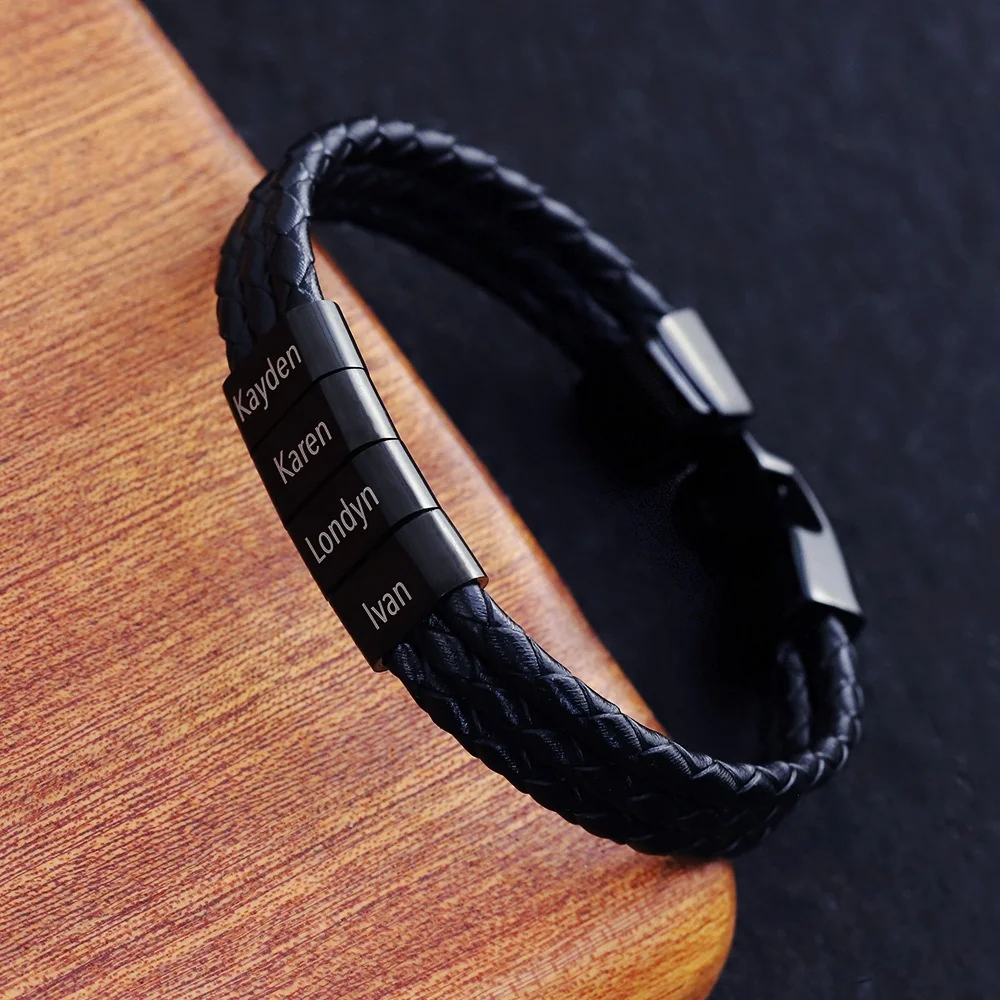
Make a component record
You do not need to identify the materials yourself. Write down the parts you can see and the information still missing.
| Visible part | Useful question |
|---|---|
| Band or cord | What is the confirmed material, and can it be exposed to water? |
| Name element or panel | What are the base material and surface treatment? |
| Beads or decorative parts | Are the material and any treatments identified? |
| Closure | Is there a separate cleaning or maintenance instruction? |
| Photo area | Which care method is approved for this exact process? |
The questions are a record to send the seller, not instructions to take the bracelet apart. Keep the product name and selected option with the record so the answer refers to the right piece.
Avoid an experiment while you wait
GIA’s general jewelry-care guidance explains that chemicals can damage jewelry and that ultrasonic cleaning is not appropriate for every material. It also recommends protecting pieces from contact damage during storage. Those points support caution; they do not provide a tested cleaning recipe for an unidentified bracelet.
For now, set the piece aside in a separate, protected space rather than placing it loose against other jewelry. Do not begin with bleach, abrasive polish, a chemical dip, steam, or an ultrasonic cycle to see what happens. Without material-specific instructions, you cannot judge whether a treatment intended for another piece is compatible.
This also applies to a cloth labeled as a polishing cloth. Check whether it contains a treatment and which materials the instructions name. A cloth intended to remove tarnish from a known metal is not automatically appropriate for an unknown finish or image surface.
Give the seller a question they can answer
Here is an original request you can adapt:
“I have
. Please confirm the material of the band, the personalized element, and the closure, including any surface treatments. What cleaning method is approved for the complete assembled piece? Are there products or exposures I should avoid?”
If the bracelet already has a mark or a change in appearance, add a photograph and explain when you first noticed it. Include any product you used. Keep that description factual; do not assume the mark proves a particular material or that polishing will remove it.
Treat missing instructions as missing information
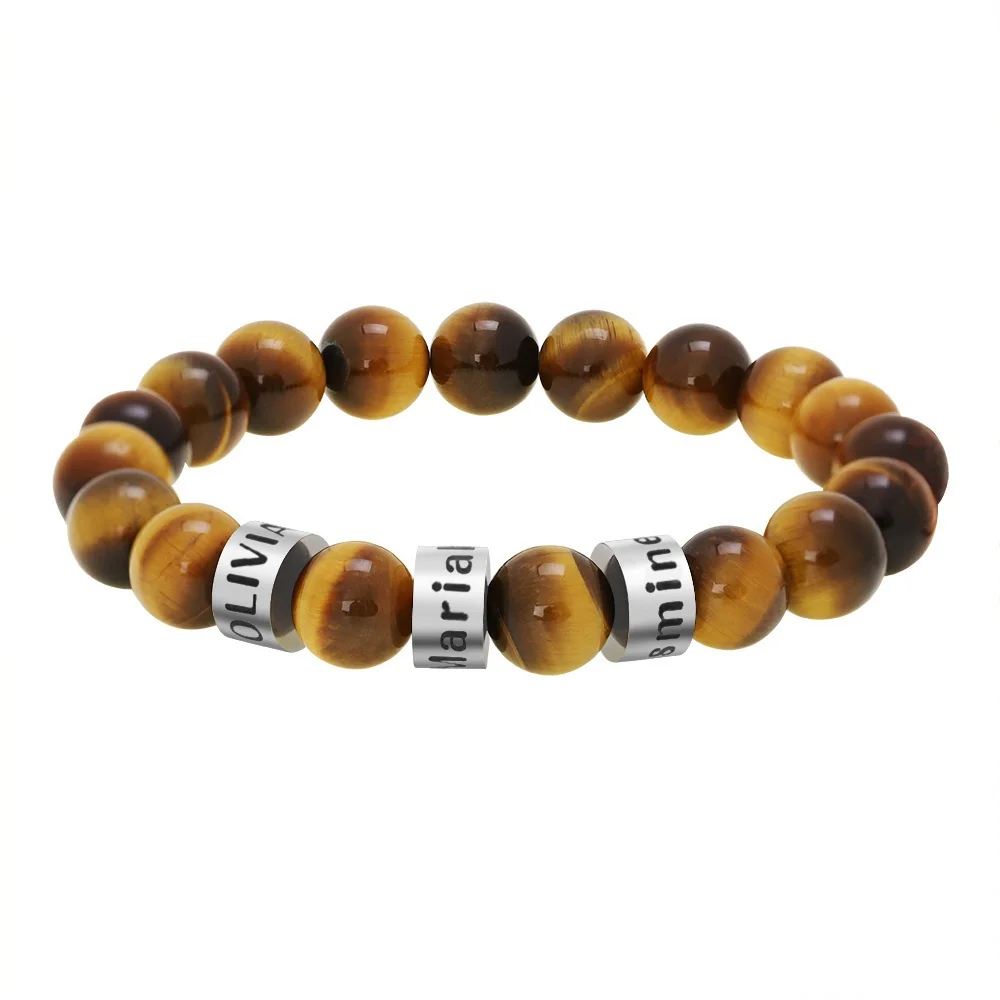
The product evidence reviewed for Energvia’s collection does not yet establish independently approved material specifications and item-specific care procedures. References such as The Family Bracelet can show the arrangement of a design, but a photograph cannot tell you which cleaning method its components will tolerate.
Once the seller supplies a written answer, save it with the product details and use it for that piece. If an answer describes only one part, ask whether the method is approved for the assembled bracelet. Waiting for that clarification is more useful than applying a confident recipe to a material you have not identified. When an instruction changes, record which earlier instruction it replaces. Keep both dates visible so a future review does not accidentally use the superseded method.
Turn a partial answer into a usable care record
Read a reply against the component list rather than accepting the first material word as the answer to everything. If it identifies the personalized panel but says nothing about the band, mark the panel information as supplied and the band information as unresolved. Ask whether the stated care method covers the piece while assembled. This avoids turning a correct answer about one part into an unsupported instruction for all of it.
In a fictional editorial example, Drew has a bracelet with a dark band and several name elements. The reply identifies only the name elements and suggests a product intended for them. Drew does not apply it across the band. The follow-up identifies the remaining components and asks for a complete-piece method, including whether the product should contact the inscription or closure. The example illustrates how to clarify an answer, not a cleaning treatment.
Keep the decision separate from the symptom
If the piece looks dirty, describe where and how it looks different. If the issue is a loose-looking part or a changed closure action, that is a separate assessment question rather than a reason to clean harder. Put each observation in its own sentence so the person reviewing the piece can identify which question concerns appearance and which concerns construction.
Save a dated photograph before any approved intervention and retain the instructions that eventually apply. When comparing a later photograph, use a similar view and describe only the visible change. A cleaner-looking surface would not establish the material or demonstrate long-term durability. The useful outcome is a care record tied to this version, with its known components, approved method, and unanswered questions visible together.
