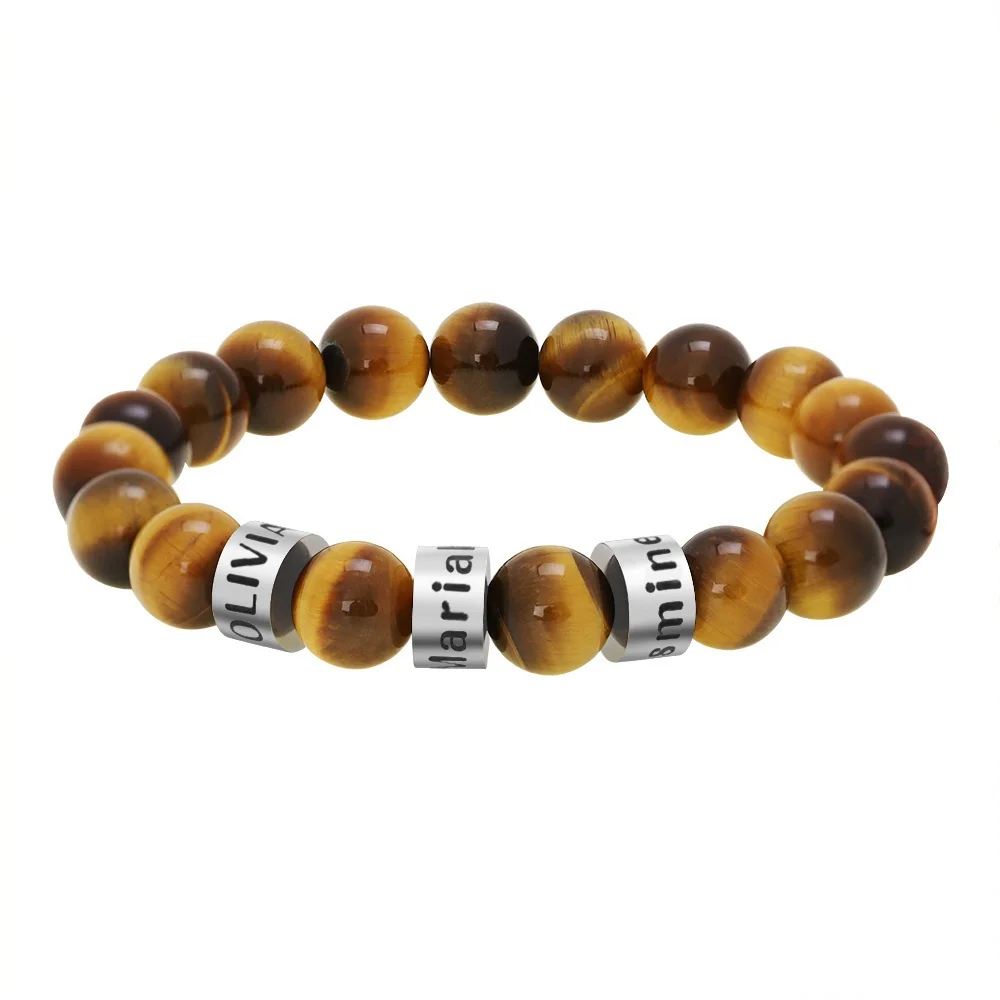
Start with the part of the message the wearer would recognize without an explanation. A familiar phrase, a name, or a date can work better than a longer sentence written only because there is space on the order form.
The ideas below are editorial examples. They are not confirmed personalization options for any specific Energvia piece. Counts include spaces and punctuation; the seller’s approved rules determine what will fit.
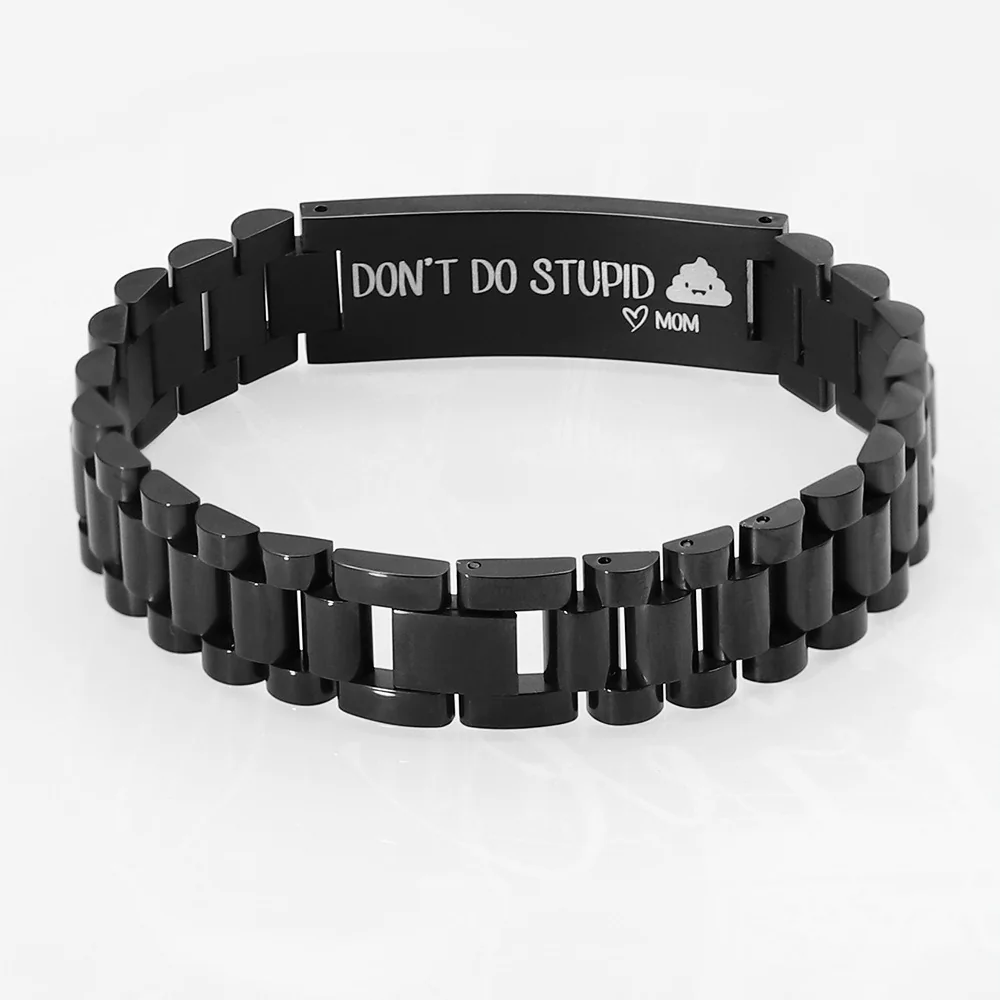
Eight starting points
| Example text | Characters | A possible reason to choose it |
|---|---|---|
| Home is us | 10 | A shared idea of belonging |
| The long way home | 17 | A place or journey both people recognize |
| Quietly, together | 17 | A quieter expression of closeness |
| Take the next step | 18 | Encouragement tied to a specific new beginning |
| Here for the climb | 18 | Support without claiming the challenge will be easy |
| More days like this | 19 | A memory the wearer wants to revisit |
| Always in your corner | 21 | A direct promise of personal support |
| Keep our small moments | 22 | Attention to everyday memories |
The longer entries are intentional. If a piece has a shorter approved limit, they are editing examples, not text to squeeze into the field. Do not remove spaces until the message becomes difficult to read just to satisfy a counter.
Make the words sound like the relationship
Read your first choice aloud. If you would never say it to the recipient, it may belong on a greeting card rather than on something they will wear.
A useful exercise is to finish this sentence privately: “You will know what this means because…” If the answer is a memory, a shared place, or a phrase you actually use, you have a specific reason for the inscription. If you need a paragraph to explain it, consider a simpler version and put the explanation in the gift note.
Names also deserve this check. Use the version the wearer recognizes and wants others to see. Do not assume a legal name is more meaningful than a familiar name, or shorten someone’s name without checking their preference.
Edit the message, not just the spelling
Suppose your draft is “I will be here for every step of the climb.” The essential idea might be support, so “Here for the climb” keeps the image while removing the extra explanation. That is an original editing example, not a universal rule about the best wording.
Another option is to move the longer sentence to a card and put a shorter phrase on the bracelet. The two pieces of writing can do different jobs: the inscription recalls the meaning, and the note explains it.
Avoid changing a full name into initials solely because a preview looks crowded. First confirm the actual inscription area. A different design may be a better choice than a version of the name the wearer dislikes.
Count the exact version you intend to submit
“Quietly, together” includes its comma and its space. Removing either changes the count and the way the phrase reads. A phone may also replace straight punctuation with a different character, so proofread the text after copying it into a form.
A competitor’s allowance is not an Energvia allowance. For example, Bull Ring’s own engraving guide recommends 12 characters or fewer for its bracelet. That is a rule for that seller’s design, not for all bracelets.
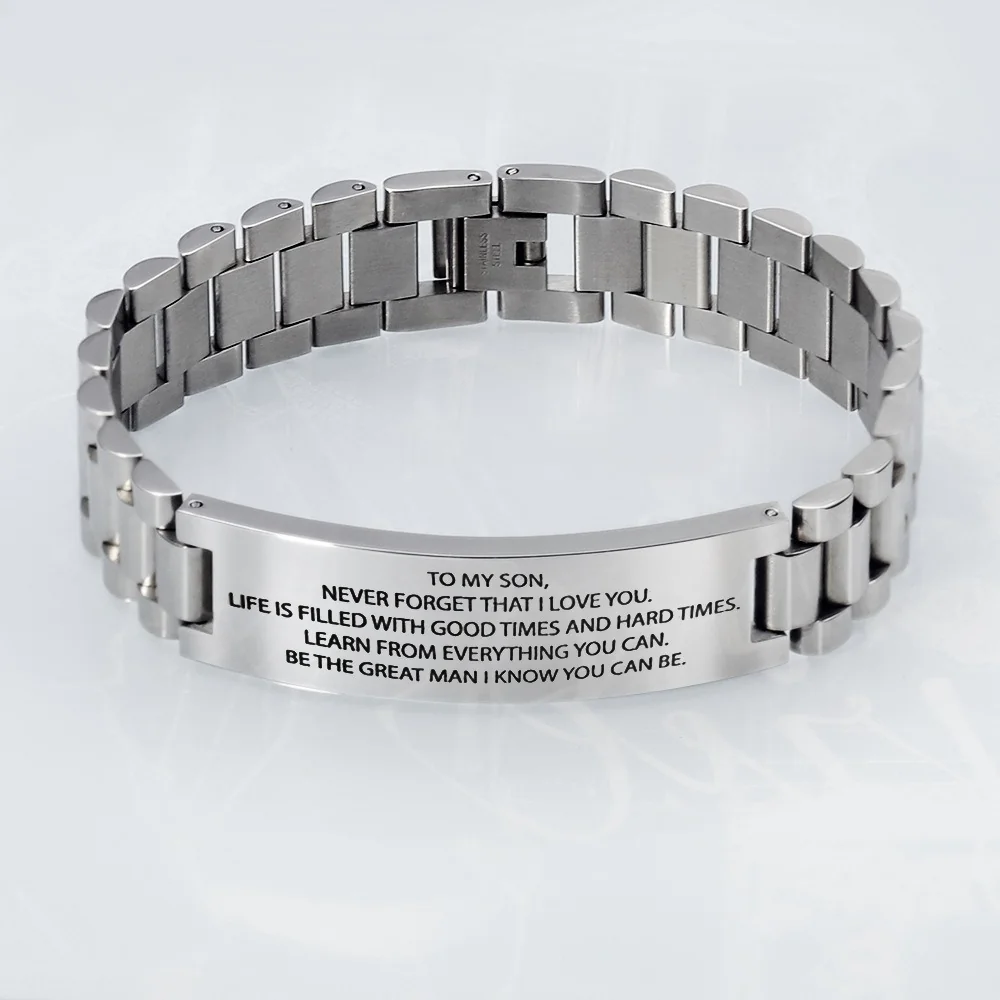
The Engraved ID Bracelet is a visual reference for a panel-style layout. The current page and preview do not confirm which of these example phrases can be produced. Before ordering becomes available, confirm the accepted characters, the finished text area, and the exact version of your message.
If you are still between two choices, put both on paper and leave them for a day. Return to the phrase you recognize immediately. There is no requirement to use every available character.
Choose the reason before the phrase
The eight examples work as starting points because they suggest different intentions: belonging, encouragement, support, or attention to a remembered moment. Choose the intention that fits the relationship, then decide whether any of the wording actually sounds like you. There is no need to select a line simply because it has a convenient character count.
For an original exercise, imagine that two people regularly take a walk together and value the conversation more than the destination. “The long way home” might recall that habit. If they do not share that meaning, the same phrase could sound vague. A sentence that feels personal in one situation can be generic in another; the missing ingredient is the recipient's recognition.
Give yourself two drafts with different levels of explanation. One can name the shared detail directly. The other can be a quiet reference whose full explanation belongs in the note. Ask which version the wearer would want to see repeatedly. Do not assume the most emotional wording is the most wearable choice.
When reviewing the draft, separate promises from memories. “Always in your corner” expresses an ongoing commitment. “More days like this” points toward a hoped-for repetition of a moment. Select the meaning you intend to convey rather than treating those sentences as interchangeable decorations.
The final planning result can be one exact phrase, a short private explanation, and a fallback if the confirmed text region is unsuitable. Keep the fallback meaning deliberate. Moving the explanation to the card should preserve the message, not leave the bracelet with words chosen only because they happen to fit.