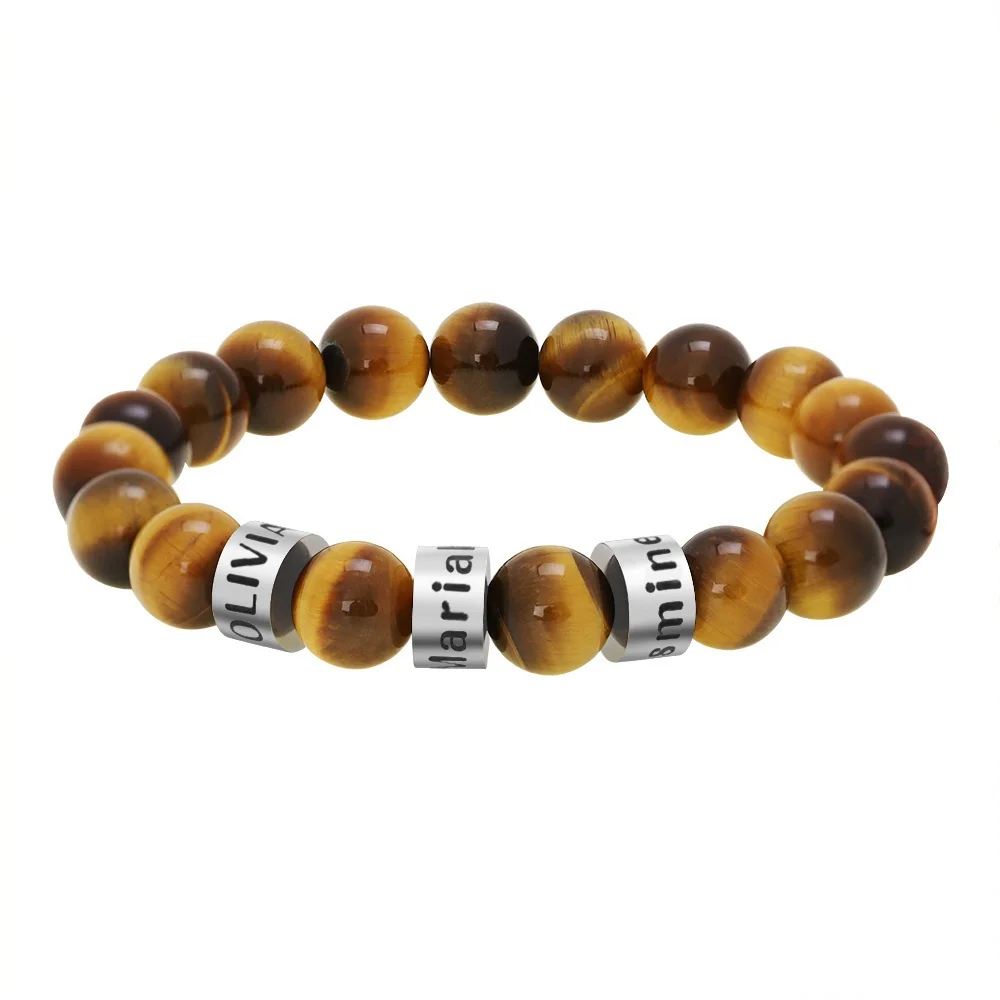
“Photo bracelet” describes what you want to personalize, but it does not tell you how the image will appear. Ask whether the photograph is represented on the surface, printed in color, or held inside a viewing element. Those choices lead to different expectations and different questions before approval.
Do not decide from the product name alone. A bracelet photographed with a colorful face may show a sample image, while a listing called “projection” may still lack a verified explanation of its mechanism.
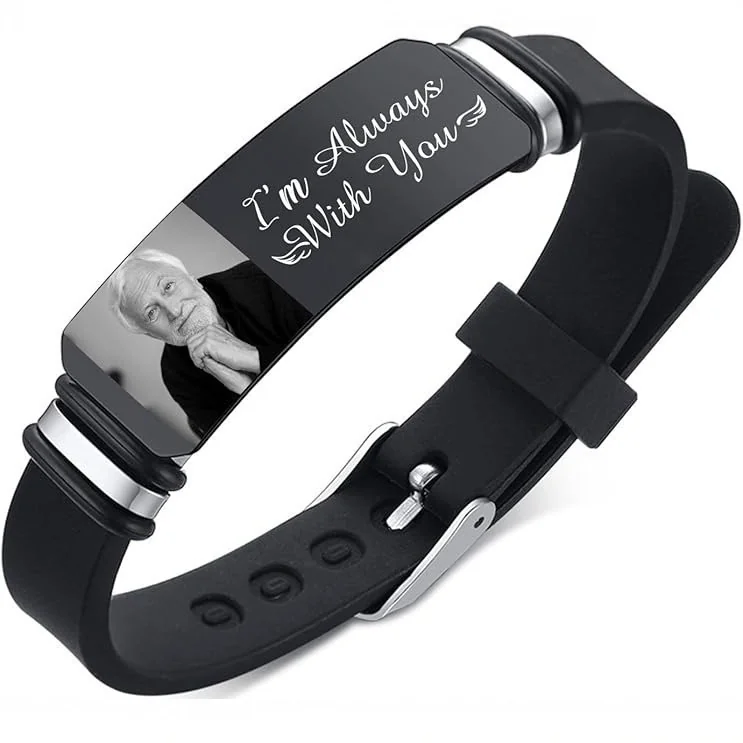
Start with the location of the picture
| Description | What to ask the seller to demonstrate |
|---|---|
| Photo engraving or marking | A finished surface image made with the stated process |
| Photo printing | The finished color treatment and the approved image area |
| Photo projection | Where the image is held and how it is viewed |
The word “laser” is not a description of the final colors, depth, or texture. Epilog’s photo-engraving guidance notes that the same photograph can produce a different engraved look on different materials. That is a reason to ask for a finished example using the process offered for your exact option. It does not mean an Energvia supplier uses Epilog equipment. A bright, enlarged digital mockup cannot answer those questions.
As an example of a seller describing its own system, IfShe’s projection guide explains an image held in a viewing element and viewing with light. That description applies to its products. It does not verify Energvia’s projection mechanism, viewing quality, or production readiness.
Separate the source file from the promised result
You can have a good original photograph and still lack the information needed to judge the finished piece. The missing information may be the crop, the available surface, the production process, or the viewing size.
Keep the original file and ask which version the maker needs. If you create a crop, keep it as a separate copy so you can return to the original. Do not assume that making the file larger creates detail that was absent from it.
Before approving a layout, identify the part of the picture that must remain: a face, two people, or a particular object. Ask the maker to show whether the required subject fits the actual area. Minimum file requirements and any editing service should come from the seller, not from a universal number found in another brand’s guide.
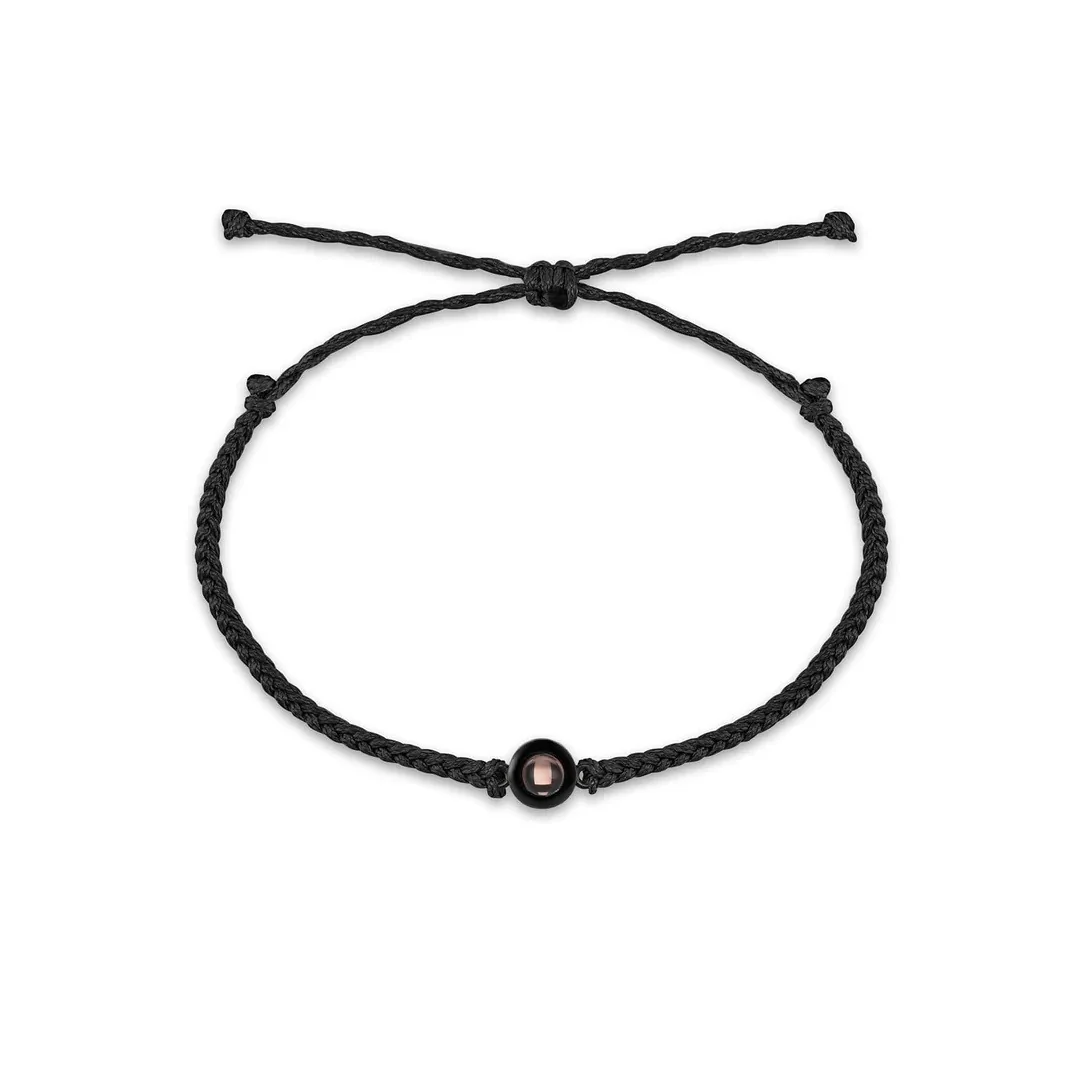
Read each Energvia option as a reference
The Portrait Cuff currently lists reference options labeled “Color Print” and “Laser.” These labels identify a distinction to investigate. They do not establish the final color quality, image durability, or approved production settings.
The Projection Bracelet is also a reference page. Its customization process is still being finalized. It should not be treated as an orderable alternative or as evidence that an uploaded photograph can already be produced inside a lens.
Four answers to obtain before approval
Ask for the exact process, the usable image area, a finished example, and the approved file requirements. If viewing requires a lens or a light, ask for instructions demonstrated with that product.
Then compare those answers with what you want. A person who wants the photograph visible at a glance should investigate a surface treatment. Someone who prefers an image that is viewed separately needs a confirmed viewing mechanism. Neither description tells you which bracelet will fit, what its materials are, or when it can arrive.
If a listing cannot answer how the image will appear, wait for that answer before committing the photograph to production. Choosing the method comes before judging the preview.
Write an expectation sentence before comparing samples
Complete the sentence “I want the wearer to see the photograph by…” using an ordinary description of the desired experience. You might mean looking directly at a visible panel, examining a small image more closely, or using a demonstrated viewing method. This describes your goal without assuming that any reference provides it.
Then describe the image itself: which people or objects must remain recognizable, whether original colors matter, and whether accompanying words are wanted. These details help separate a method decision from a style decision. A round centerpiece may look appealing while leaving your viewing goal unanswered; a visible panel may answer the location question while leaving the finished process unresolved.
Compare the evidence at the same level
For a fictional editorial comparison, suppose one reference shows a digital portrait placed on a panel and another shows a photograph of a round centerpiece. Neither demonstrates what your submitted image will become. Mark the first “layout reference” and the second “exterior reference.” Do not call one a proven photo result merely because its picture is easier to see.
A stronger process answer would identify the exact version and show the corresponding finished representation or viewing demonstration. You can then compare that answer with your expectation sentence. If it meets only part of the goal, name the remaining gap: image readability, colors, viewing instructions, or the supported crop. The next inquiry becomes specific instead of asking generally whether the bracelet is good.
Keep your selected method and remaining questions in the same brief. Avoid editing the only original photograph to suit a mechanism that has not been established. Once the method is confirmed, the image preparation can follow its actual requirements rather than the appearance of an unrelated product guide.