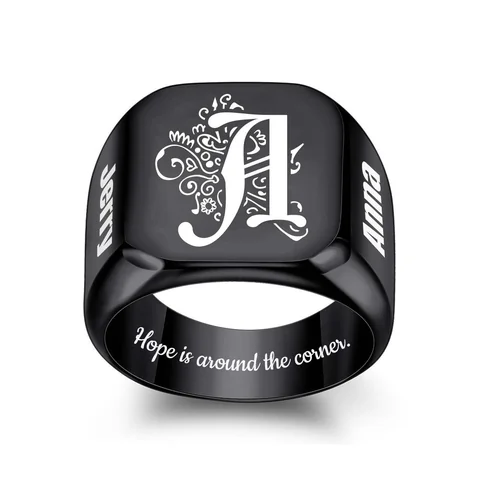
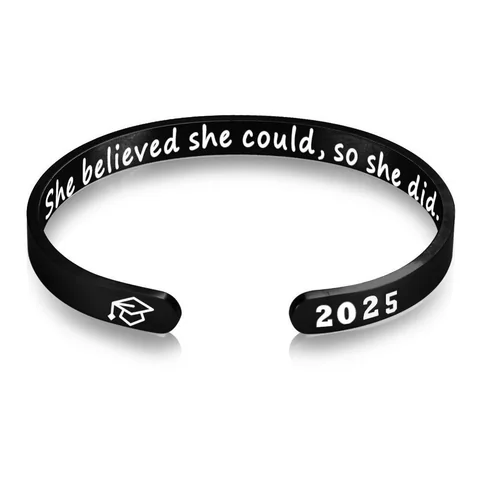
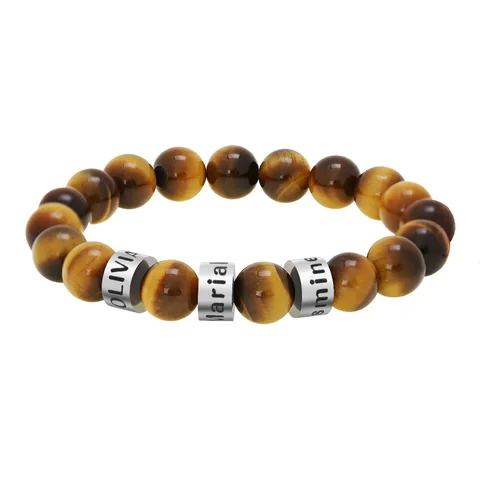
Give each bracelet its own space rather than dropping both into one compartment. The useful goal is to avoid direct contact between their surfaces during storage.
Plan the space before choosing the pouch
Use separate compartments or individual pouches appropriate to the confirmed care instructions. Arrange the pieces so a clasp or name element is not resting against the other bracelet. Check that the pouch itself is clean and suited to the piece’s materials.
An original packing layout is: one bracelet per compartment, one label per piece, and its care note stored beside it. The label can use a product ID rather than displaying a private inscription.
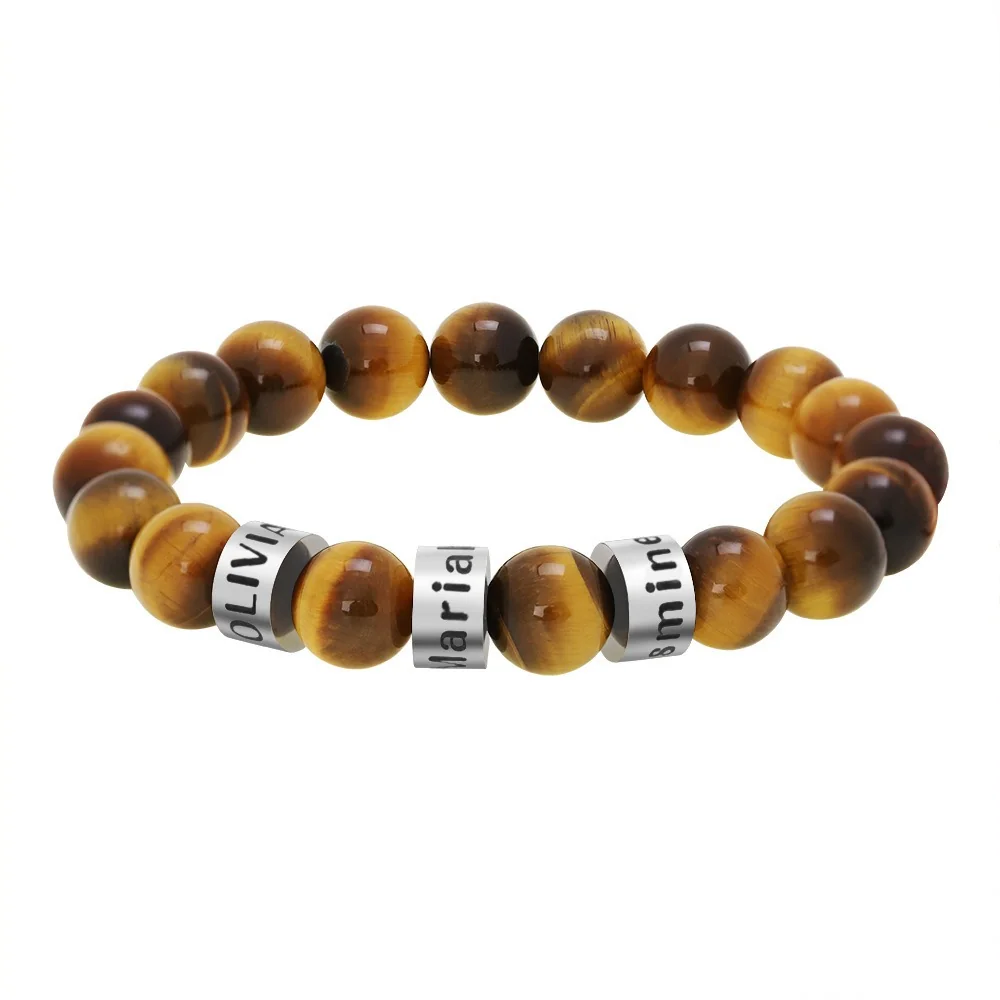
Keep storage claims limited
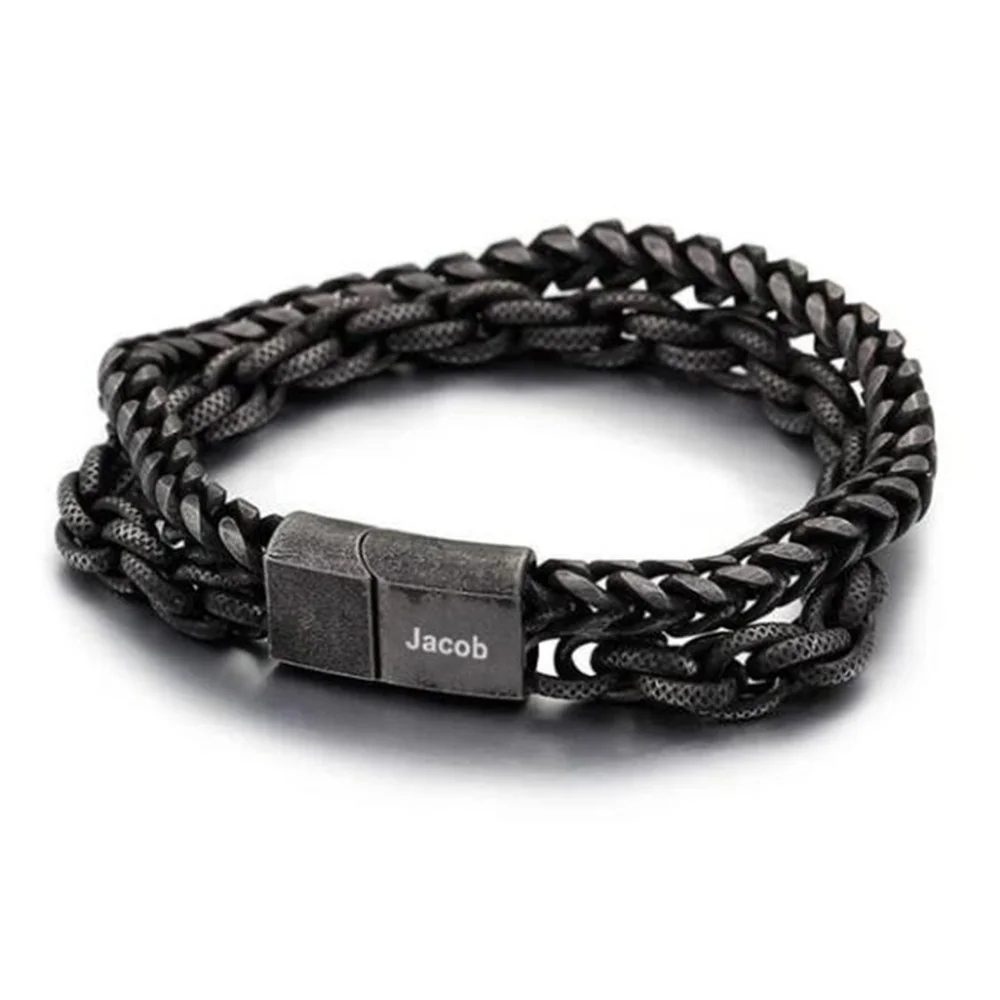
For The Double Chain and The Name Bead Bracelet, the current records do not confirm humidity, temperature, or long-term storage requirements. Ask for those separately if they matter.
Do not call a generic pouch tarnish-proof or assume it prevents all scratches. After travel or movement, inspect whether the pieces stayed apart and revise the layout if needed. A simple separation plan is useful without promising a tested protective effect.
Design the storage layout around the actual pieces
Lay out the empty storage spaces first and decide which piece belongs in each. Consider the widest visible component, a projecting clasp, and any personalized surface that you want to keep identifiable. A compartment that holds the band but requires a name element to rest against the second piece does not meet the separation goal.
Use materials and storage products appropriate to the confirmed care instructions. If those instructions are missing, do not advertise a particular lining, pouch, or sealed container as chemically suitable. You can still organize distinct spaces and ask which storage conditions apply. The layout is a practical arrangement, not a tested environmental protection system.
Assign a return location
The easiest separation plan to follow is one that has a clear place for each bracelet after use. Label a compartment with a neutral code or product identifier. If several pieces have personal text, the label need not repeat that text publicly. Keep any applicable care record nearby so the storage location and instructions remain connected.
Plan for the moment when one piece is being worn and the other is stored. Do not leave the unused compartment filled with keys, coins, or another accessory merely because it is temporarily empty. A stable return location reduces confusion about where the piece belongs. It does not guarantee that the surface will never be marked.
Review three different kinds of contact
| Contact question | What to check in the layout |
|---|---|
| Piece against piece | Whether the two bracelets occupy distinct spaces |
| Component against neighboring object | Whether a clasp, element, or image area rests on something else |
| Storage under movement | Whether the pieces remain in their assigned spaces when the container is moved normally |
Inspect these relationships without shaking, compressing, or dropping the storage container as a test. Normal handling can reveal that a divider shifts or a bracelet slides into another compartment. If it does, revise the layout. Do not claim protection from travel conditions based on a brief visual check.
A fictional two-bracelet arrangement
In this fictional editorial example, Ari keeps a linked bracelet and a bead bracelet in one drawer. The first arrangement places both in a single tray, with the linked clasp touching a name element. Ari changes to two designated spaces and records which piece belongs in each. The labels use product codes, while the personal inscriptions stay out of the visible drawer labels.
Ari then notices that a removable divider moves when the tray is lifted for routine use. The plan is revised so separation does not depend on that loose divider. The example does not recommend a specific storage material or prove that either surface resists wear. It shows how an observable contact problem can guide an organization decision.
Keep damp or changed-condition questions outside the routine plan
If a piece has been exposed to water or has a new visible mark, seek the appropriate product-specific instructions before treating ordinary storage as the solution. Do not place it in an assumed protective environment and report the issue as resolved. Keep the condition note with the piece until its next step is clear.
Likewise, do not select a humidity target or temperature range from a different jewelry category. Ask whether the exact components have special storage requirements. If the response addresses one component only, identify the remaining parts. Separation and environmental compatibility answer different questions and should remain separate in your records.
Make the plan easy to maintain
Keep the arrangement small enough that you can see whether both pieces are present and separated. An elaborate pile of unlabeled pouches can hide which piece is inside and make returning one to its place harder. Choose an organization method you can identify and inspect, while leaving any material-specific claim dependent on the relevant instructions.
After a routine move or change of container, review the contact points again. Save the updated locations with the product records if useful. The completed plan states where each piece goes, how it stays separate from the other, and which storage specifications remain unknown. That is a concrete result without promising tarnish prevention or freedom from all damage.