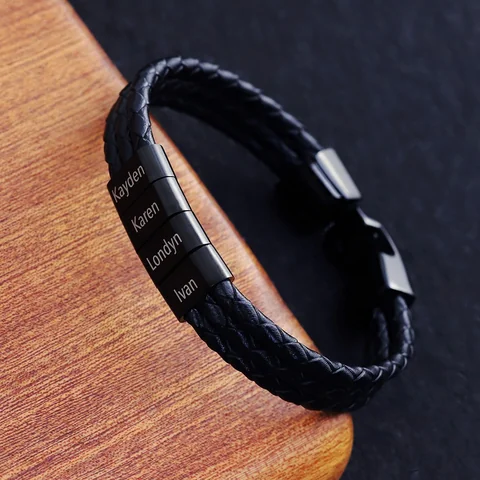
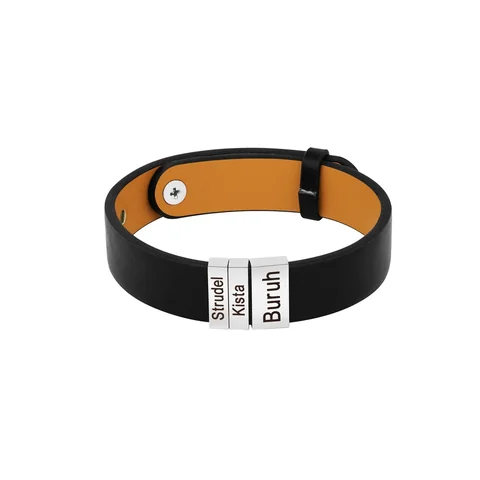
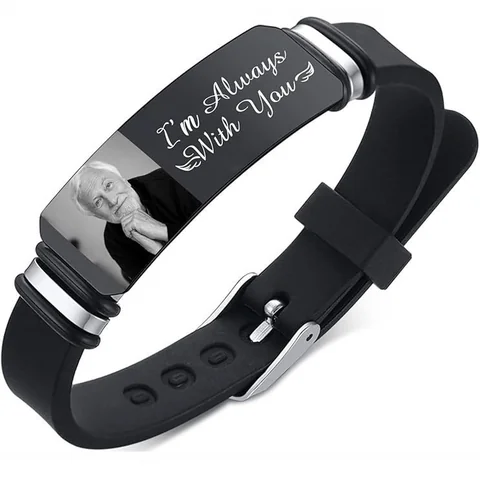
Check the activity and the product separately. A bracelet’s appearance cannot establish that it is suitable for sleep, exercise, contact with equipment, or exposure to sweat.
Describe the real activity
“Exercise” could mean walking, lifting equipment, a contact sport, or another activity with different requirements. Ask about the actual activity and follow any rules set by the facility or organizer.
Record what concerns you: contact with equipment, pressure while lying down, moisture exposure, or a closure catching. These observations help form a specific question without diagnosing a risk from appearance alone.
Request the approved limitations
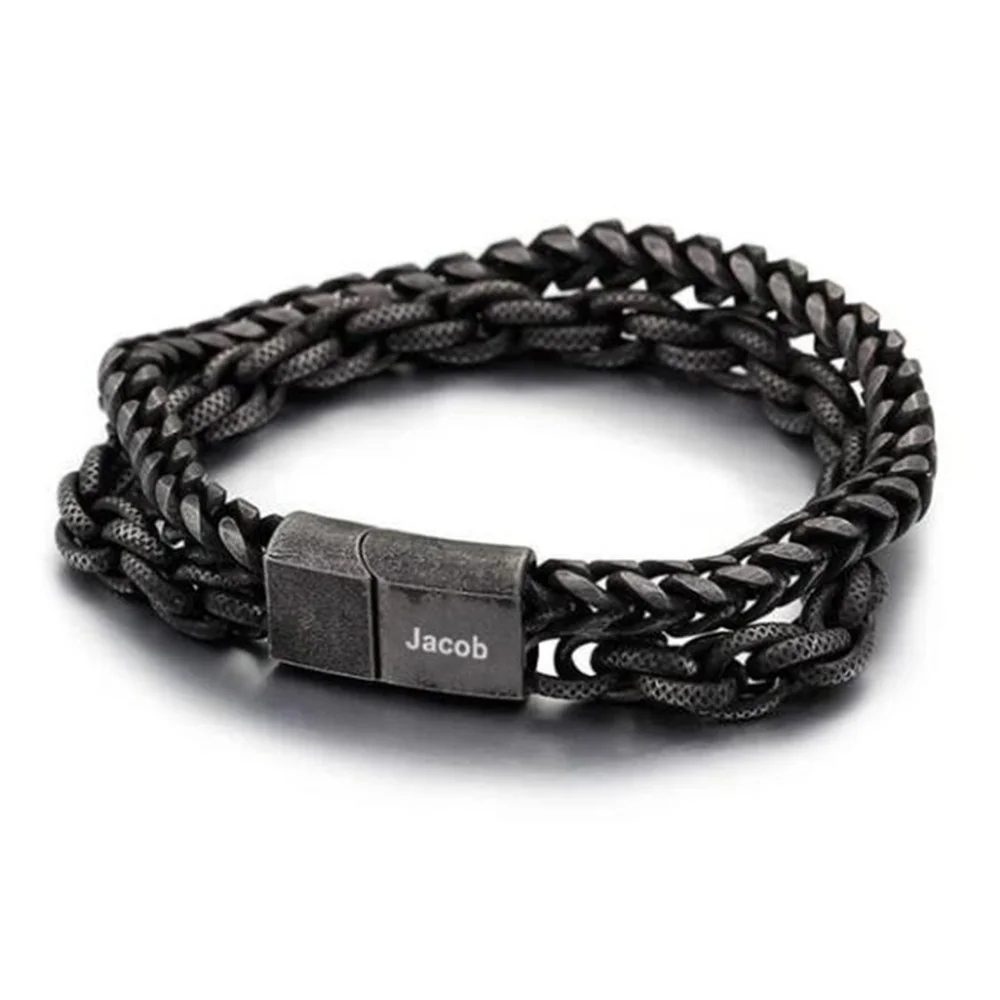
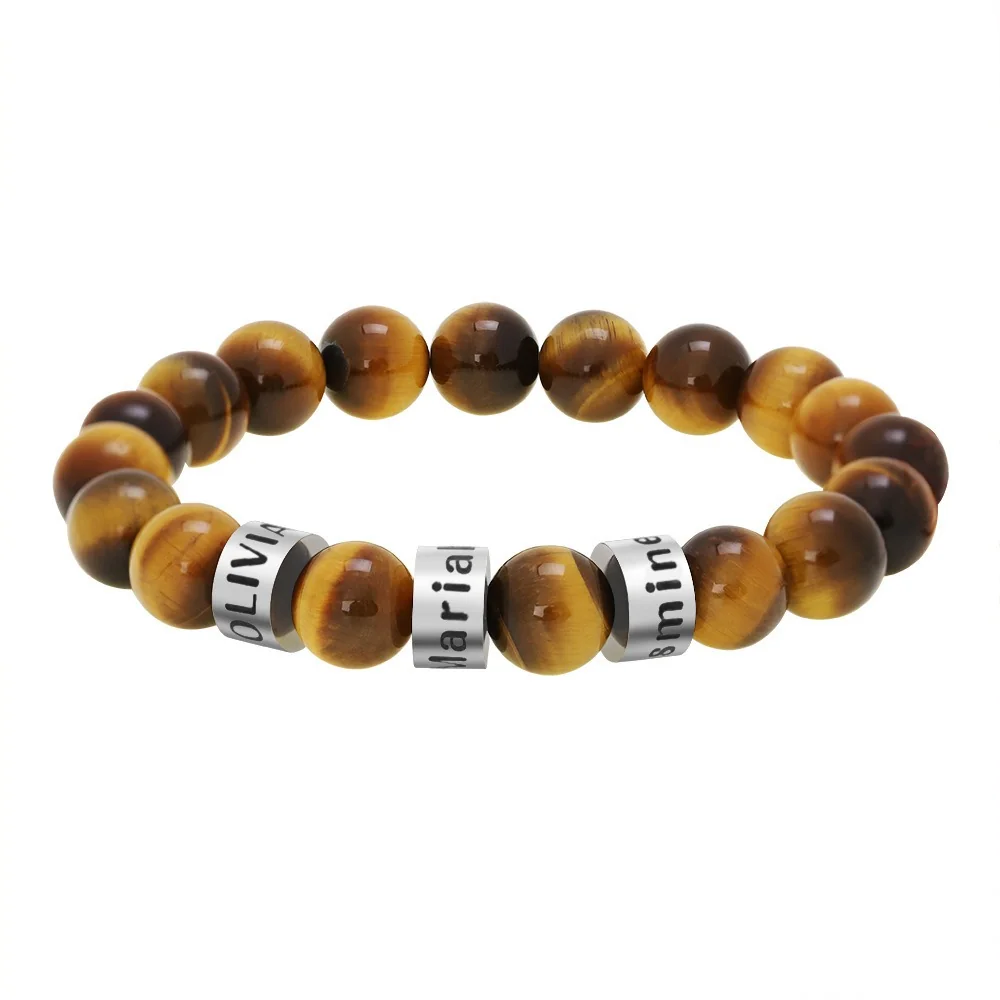
For The Double Chain or The Name Bead Bracelet, ask which uses and exposures are permitted by the manufacturer. The current records do not provide approved sleep or exercise instructions.
If information is missing, plan to remove the piece for the uncertain activity and store it appropriately. Personal comfort is another check the wearer makes with the actual item; it should not be advertised as an outcome established by a gallery photo.
Split sleep and exercise into separate questions
The fact that someone likes wearing a bracelet does not settle either use. Describe sleep as its own setting, including whether pressure, movement, or an unfamiliar closure is the concern. Describe exercise using the actual activity rather than a broad label. Keep the two questions in separate rows so approval for one cannot be read as approval for the other.
Your ordinary schedule can help identify when the decision arises. List the times you change clothes, begin an activity, or prepare for bed. These are opportunities to decide where the piece belongs. A planning routine does not establish that the product tolerates sweat, repeated contact, or any other exposure.
Identify the source of each limitation
There may be product instructions, facility requirements, or the wearer's own preference. Record them separately. The manufacturer addresses the piece's approved conditions; an organizer may set rules for a particular activity; the wearer decides whether an arrangement is comfortable. None of those answers automatically replaces the others.
If a rule requires jewelry removal, keep that requirement visible in the activity plan. If product guidance is absent, record it as absent rather than replacing it with an opinion about how strong the bracelet looks. The current Energvia references do not supply activity testing or approved sleep and exercise conditions.
Create an activity decision sheet
| Setting | Information to collect |
|---|---|
| Sleep | The exact concern and applicable product instruction |
| Walking or an ordinary outing | Whether a specific exposure or limitation needs clarification |
| Exercise using equipment | The activity's requirements and product-use limitations |
| Organized sport | The organizer's jewelry rules |
| Water or heavy moisture exposure | Product-specific approved conditions, if any |
This sheet is a planning checklist, not a claim that one listed activity is approved. Keep the activities you actually do and omit irrelevant ones. If an activity involves uncertain contact with machinery or equipment, plan to remove the piece rather than treating a brief visual inspection as permission to continue wearing it.
A fictional daily-routine example
In this fictional editorial example, Avery wears a bracelet during an evening outing and then goes to an exercise session. Avery's record has separate entries for the outing, the session's rules, and the manufacturer's product limitations. The outing preference does not become exercise approval.
Avery assigns the bracelet a separate storage location before the session. Later, Avery has another question about wearing it while sleeping. That question remains independent; it is not answered by the earlier decision to remove it for exercise. Until applicable guidance is supplied, Avery includes removal in the bedtime routine as well.
The example reports no activity test, injury, or comfort result. It demonstrates how to keep different decisions from collapsing into the single statement “I wear it every day.”
Make removal part of the routine
Identify a storage place before starting the uncertain activity. Use the piece's approved opening procedure and applicable storage guidance. If the closure method is unknown or has changed, resolve that issue instead of forcing removal or assuming continued wear is the easier answer.
A simple routine can specify the activity trigger, the storage location, and the return check. For example, a private note can say that a particular activity requires leaving the bracelet in its assigned compartment. Do not put an instruction for one piece on every accessory automatically, because the construction and guidance may differ.
Record observations without diagnosing them
If the wearer notices pressure, unwanted movement, or a changed appearance, record the setting and what was observed. Do not report that the product caused a health condition or infer a material problem from discomfort. Product assessment and any health question have separate purposes; this planning sheet does not provide a diagnosis.
Likewise, an absence of discomfort on one occasion does not establish suitability for every future activity. The observation can be saved with its context while the approved-use question remains tied to actual product information.
Review the plan when the activity or piece changes
A new activity, a new closure, or a different bracelet version can require another check. Keep the current plan short enough to follow and identify what remains unresolved. The completed document should show which settings have applicable instructions, which require removal under the plan, and where the piece will be stored. That produces a usable routine without inventing exposure tolerances or advertising a universal wearing experience.