Skip visible text when the wearer prefers the bracelet's shape on its own or does not want a personal detail displayed. A meaningful gift can carry its explanation on a card instead.
Separate the giver's wish from the wearer's preference
A giver may want to add a name because it feels personal. The wearer may prefer jewelry without names. Resolve that difference before writing an inscription.
Ask one concrete question: “Would you rather have the message on the bracelet or in the note with it?” A clear answer saves a long search for smaller lettering.
Compare three possible briefs:
- Plain bracelet, with the full explanation on a card.
- One discreet word, with the story on the card.
- Names as the central visible feature, with the wording approved by the wearer.
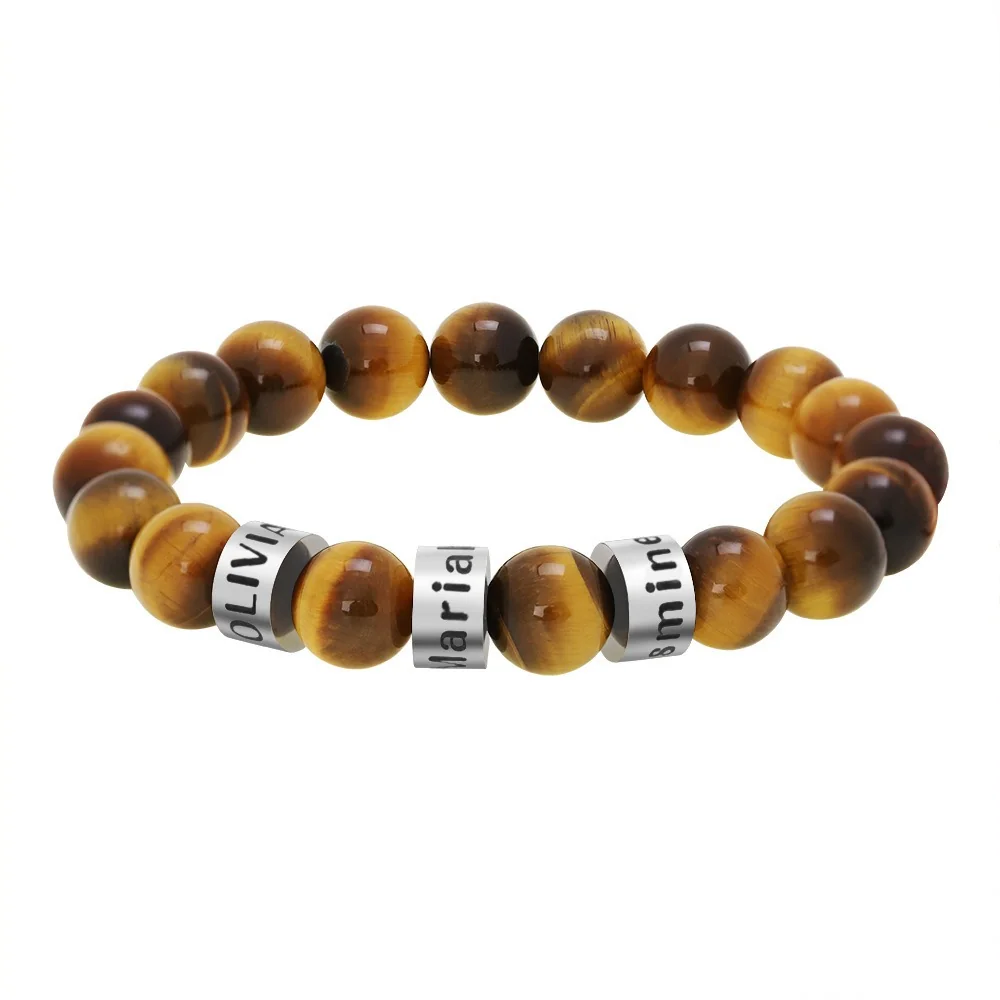
Compare real references for the chosen brief
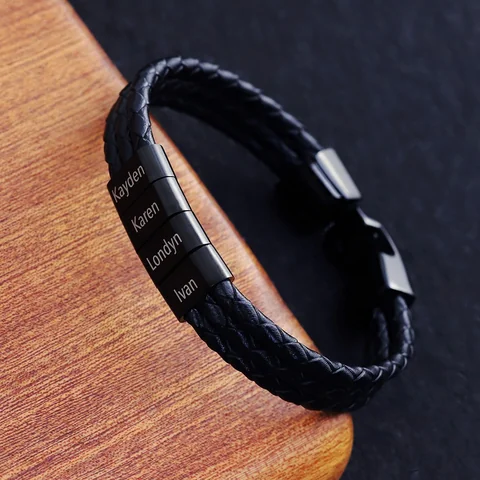
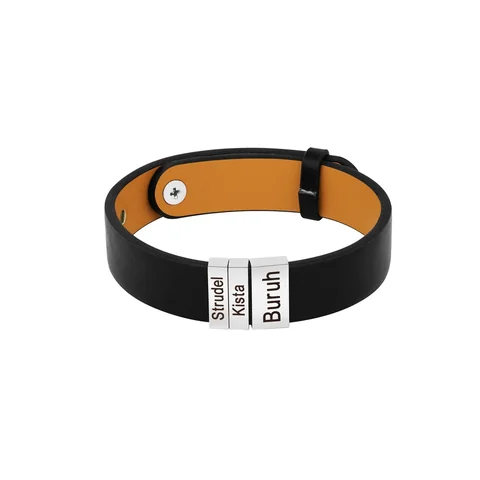
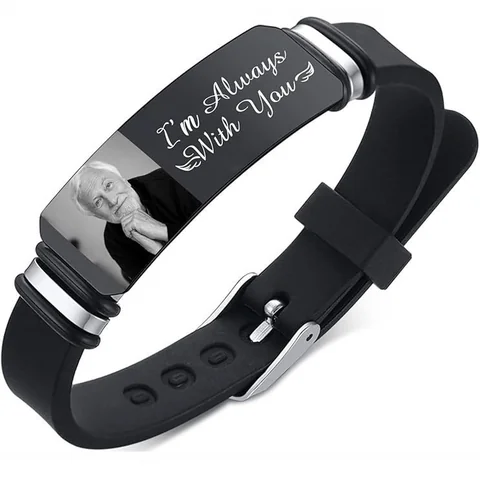
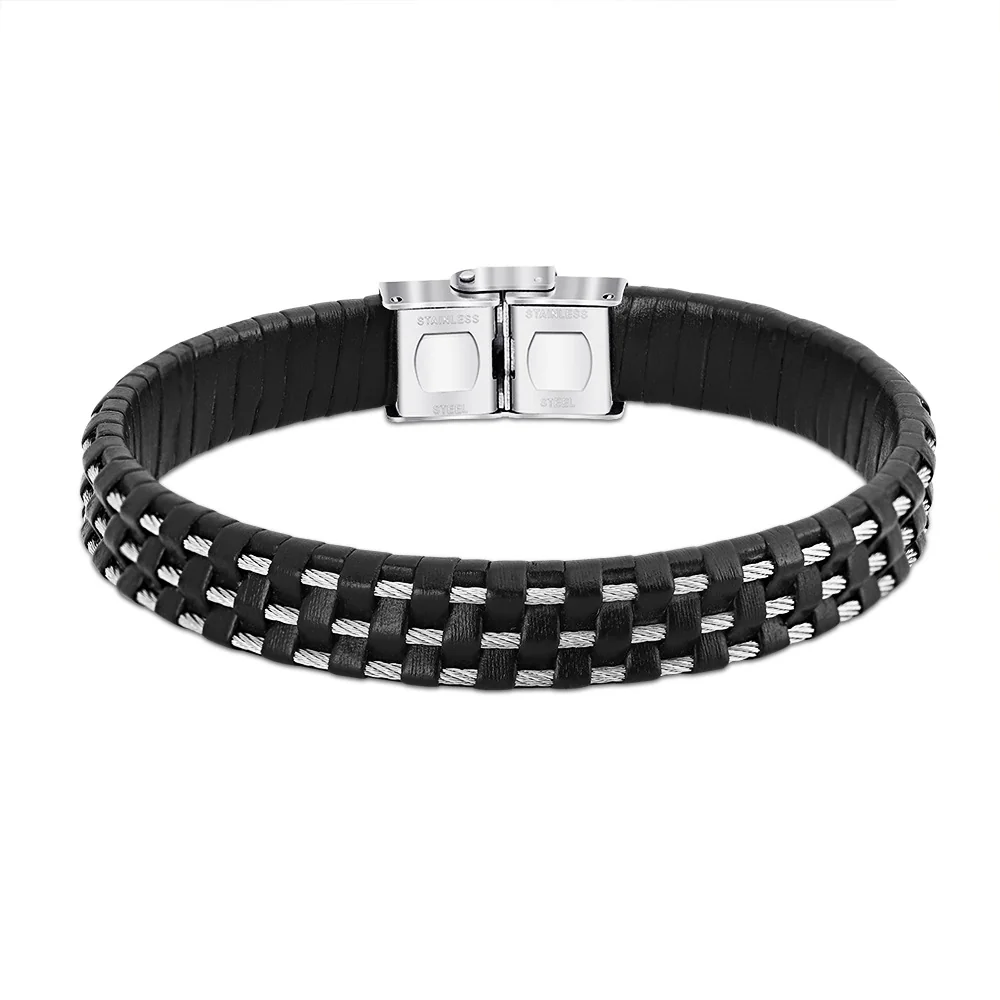
Use the Cord Bracelet as a plain visual reference. Use the Name Bead reference when separate names are wanted. The Double Chain reference illustrates a smaller, concentrated inscription in its pictured example.
Those references do not prove blank-version availability or permission to engrave later. Confirm the offered option before relying on either.
If the wearer chooses plain jewelry, keep that decision. Adding initials merely because the full message was rejected changes the wording without answering the original preference.
Give the bracelet and the note different jobs
A bracelet can provide the shape or texture the wearer likes while a card carries the personal explanation. There is no requirement that every meaningful gift display a name. If the recipient prefers plain jewelry, the personal decision may be choosing a suitable outline and writing a thoughtful note.
For an original example, imagine a giver who wants to celebrate a shared trip with the phrase “Same trail, new year.” The wearer prefers jewelry without visible wording. The giver can keep the entire phrase in the note and compare plain design references. Adding tiny initials instead would not automatically honor the stated preference; it would still introduce text.
Ask about the actual preference behind a polite answer
A recipient may say a personalized gift sounds nice while still disliking names on jewelry. Make the choice concrete: show a plain-looking reference, a small concentrated inscription, and a design where names are visually prominent. Ask which role the bracelet should have. This can be discussed without requesting any private message.
Avoid turning the question into a test of sentiment. Preferring a plain design does not make the gift less meaningful. The jewelry's visible role and the relationship it represents can be separate. That distinction helps prevent an inscription from being chosen mainly to reassure the giver.
If the wearer has no preference, look at the accessories they actually choose to wear and ask about them. A habit is useful context, although it does not guarantee they will like a new design. Do not infer a hidden desire for engraving simply because a plain bracelet has an apparently unused surface.
Confirm that the selected version can remain plain
A gallery view with no visible name does not establish a blank option. The text could be on another surface, the gallery could show a different configuration, or the design could have a production requirement not documented in the image. Ask whether the exact offered version is available without a personalized inscription.
Also ask whether a decorative component or branded mark remains. “No custom name” and “no visible text of any kind” are different requirements. If the wearer wants an entirely plain appearance, state that distinction clearly and request a view of the relevant surfaces.
Do not assume a blank piece can be engraved later. Later work depends on confirmed materials, usable surfaces, and the policy of whoever would perform it. If future personalization is important, investigate that before choosing the plain version.
Use a fallback that preserves the wearer's choice
If the favored reference is not offered without text, compare another supported plain design instead of forcing an unwanted inscription into it. If only a discreet message is wanted, identify the permitted location and confirm its visibility. If names are wanted as the central feature, preserve their intended spelling and order.
A planning table can have three columns: desired appearance, desired message location, and unconfirmed option. The plain brief might say “woven outline; message on card; blank version needs confirmation.” The discreet brief might say “one text region; message on bracelet; placement needs confirmation.” These are hypothetical briefs, not currently available configurations.
Stop editing when the meaning is already clear
Once the wearer chooses a plain approach, spend the next effort on fit, closure information, and the exact offered version. Do not continue producing shorter inscription drafts in the hope that one will change the answer. If the wearer later changes their mind, create a fresh text brief rather than treating the earlier plain choice as incomplete.
The saved decision should include the plain appearance requested, the separate note text if one is wanted, and the outstanding product specification. Ordering was recorded as closed in the October 3, 2026 review in the linked references, so this is preparation for a reviewable choice. It is still a useful outcome: the gift's meaning is preserved in the place the wearer prefers.