Do not report an exact-looking decimal when the mark falls between lines you cannot reliably distinguish. Keep the original reading and the uncertainty visible.
If the mark appears between 17.4 and 17.5 cm, record that interval as your observation rather than writing a guessed 17.47 cm. This is an original measurement example, not a product fit recommendation.
Repeat using the same wrist position and wrapping method. Check whether the paper slipped, the starting edge changed, or the mark is too broad to read clearly. Use a clearer method if available; do not keep adding decimal places to conceal uncertainty.
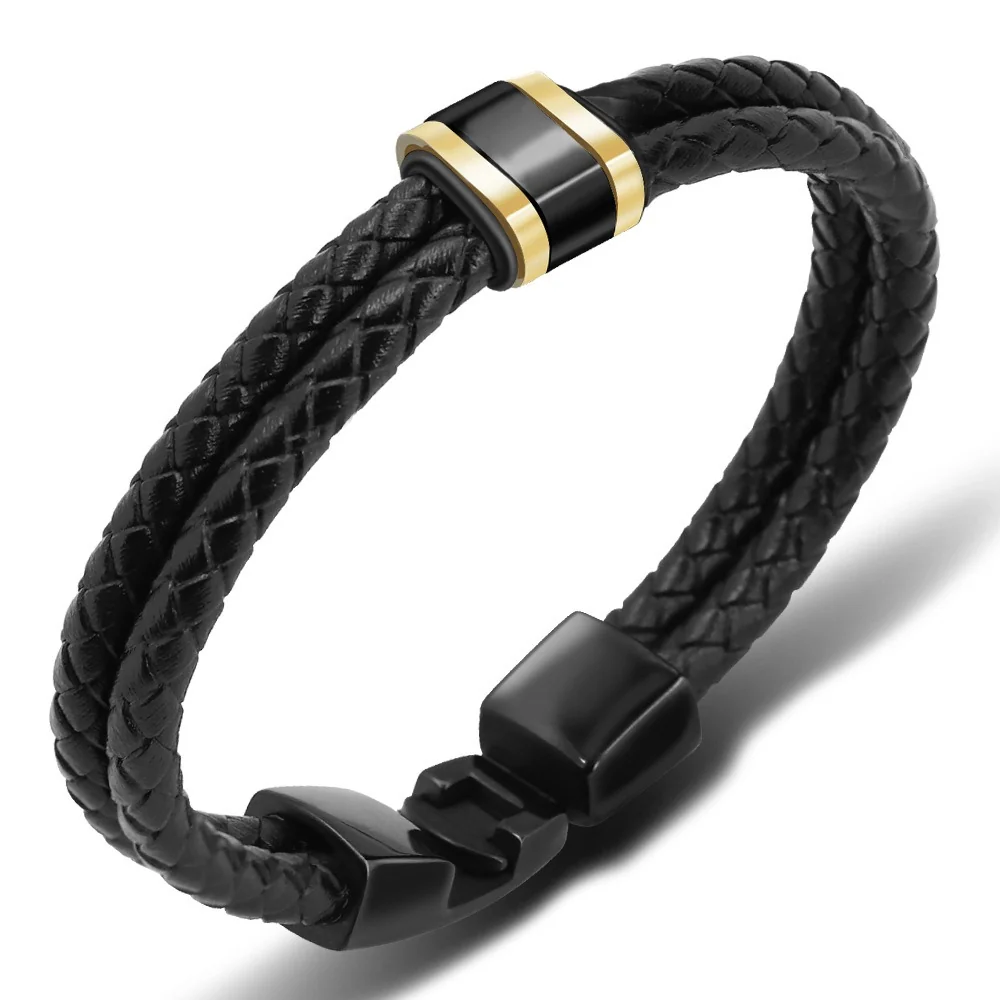
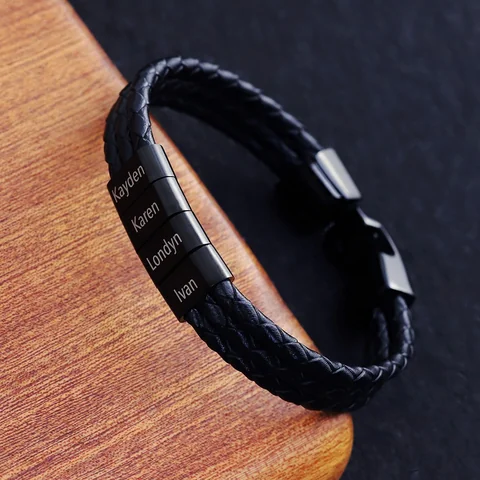
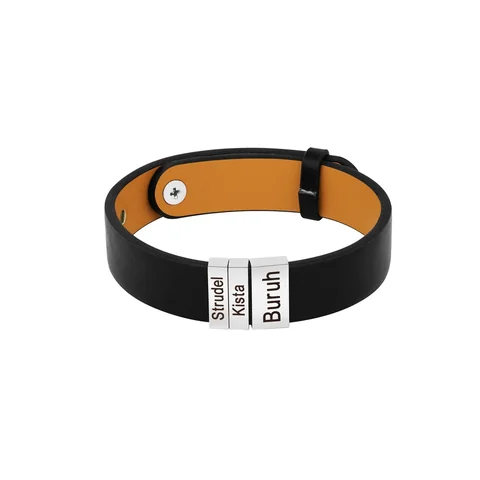
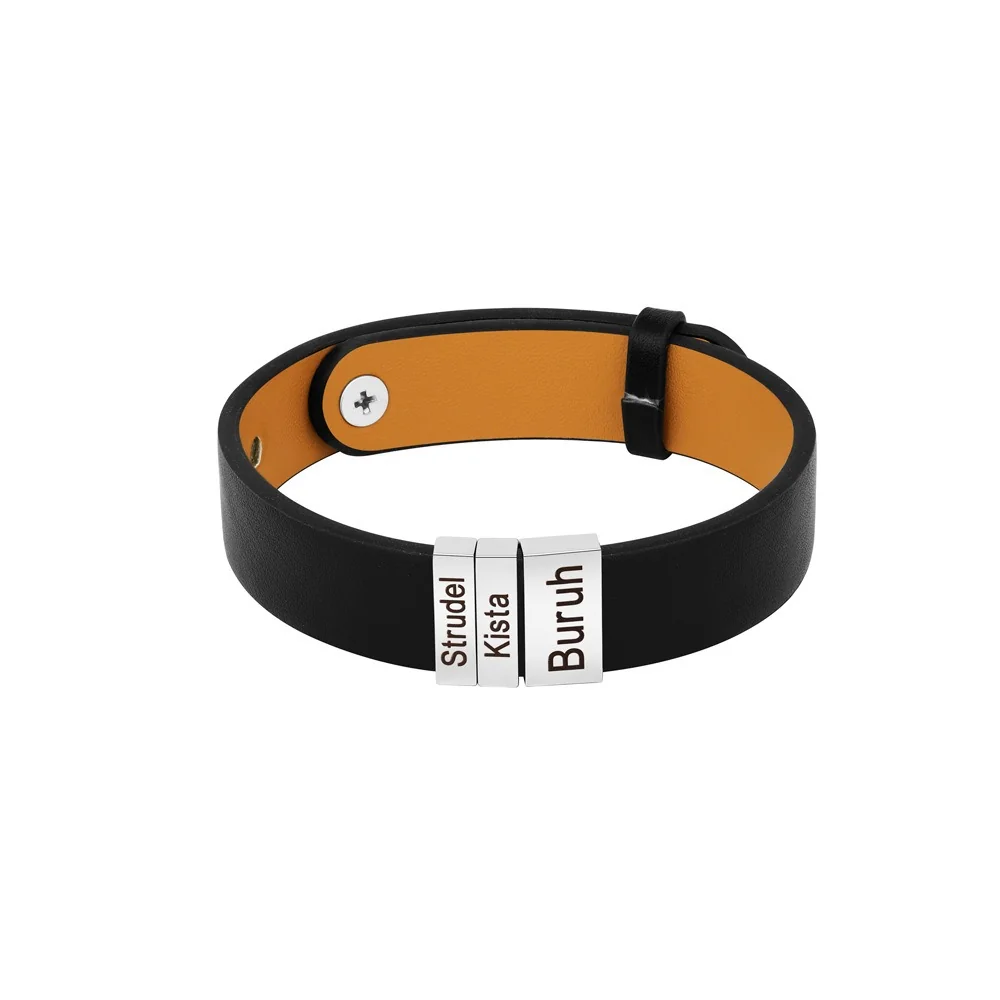
For The Slim ID Bracelet or The Braided Name Bracelet, give the supplier the actual reading or interval and ask which verified fitting route applies. If the choice lies at an option boundary, seek a more reliable measurement before selecting.
Keep the measured quantity labeled as wrist circumference. Better arithmetic cannot turn an uncertain physical reading into a confirmed bracelet size.
Find the two lines you can actually identify
Lay the marked strip flat against the ruler and align the original starting point with zero. Locate the marked distance using the smallest divisions you can read clearly. If the meeting line lies between two divisions, write those two values with the unit. Do not choose a more detailed number simply because a form accepts additional decimals. The recorded interval should describe the observation you can defend from the setup.
Check whether the ruler uses centimeters with millimeter divisions or another scale. Keep the original unit while you resolve the mark. Mixing a number from one scale with the label from another creates a different problem from an uncertain line. If two scales sit beside each other, point to the one used in the photograph and write it in the record.
Examine the mark before repeating the measurement
A wide mark can overlap several divisions. Note whether you intended to read its center or one edge, and avoid changing that interpretation between attempts. If the meeting point was ambiguous when you drew the mark, a new measurement is more useful than studying the old patch repeatedly. Use a finer mark or a clearer starting line on the next strip.
Check for a curled strip, a slanted starting edge, and an angle between the paper and ruler. Correct the setup without moving the intended start. Looking at a ruler from an oblique position can make the alignment harder to judge, so view the paper and scale squarely. This is a practical reading check, not a claim that the household method can establish a particular measurement tolerance.
Use a fresh, labeled attempt if the strip slipped during wrapping. Retain the earlier reading with a note about the observed problem. Do not average a good attempt with one whose path or starting point is known to be wrong. Repetition helps you find a stable setup only when each attempt measures the same wrist position in the same manner.
Keep observation and interpretation on different lines
In a fictional measurement record, the observed mark is between 17.4 and 17.5 cm. A second attempt using a clearer line is read as approximately 17.5 cm. The note stores both observations and explains the changed mark. It does not replace them with 17.47 cm or treat the midpoint as a verified circumference. These invented values demonstrate recordkeeping, not a fit recommendation for either bracelet.
If a form requires a single value, find out whether it accepts an approximate reading and what precision its fitting method requires. Do not fill the form by inventing certainty. You may need a better measuring tool, a helper, or the manufacturer's own measurement procedure. Keep the interval in your private source record even if a later authorized process uses a rounded working number.
Write any rounding as a separate action: original observed interval, rounded working value, and reason for using it. Rounding does not resolve whether a product's option label means total length, internal circumference, or usable setting. First identify that quantity; then consider whether the uncertainty in your wrist record matters to the comparison being requested.
Handle a possible size boundary explicitly
If the manufacturer later supplies a verified fitting table and your observation spans an option boundary, send the interval rather than selecting the larger or smaller option automatically. Ask what procedure applies to that boundary for the specific configuration. Do not apply a universal instruction to round up, especially when closures and text elements differ between designs.
Describe the intended movement separately so it does not become a numerical allowance added to the reading. A preference for a looser appearance does not justify rewriting the measured circumference. Similarly, a strap shown with fastening holes does not establish that every value within your interval can be accommodated. The selected version must provide that answer.
Before sharing the final inquiry, include the unit, wrist side, wearing position, reading or interval, and measurement method. Attach a clear image if the unresolved mark is important. Keep the product reference in another field. Your finished record should make the uncertainty understandable and show what needs better measurement, instead of hiding the physical question behind a decimal that merely looks exact.