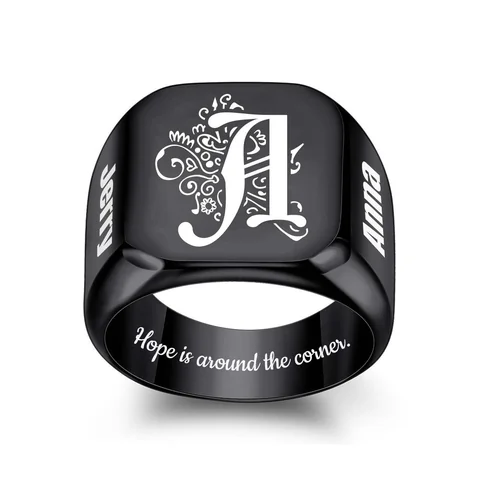
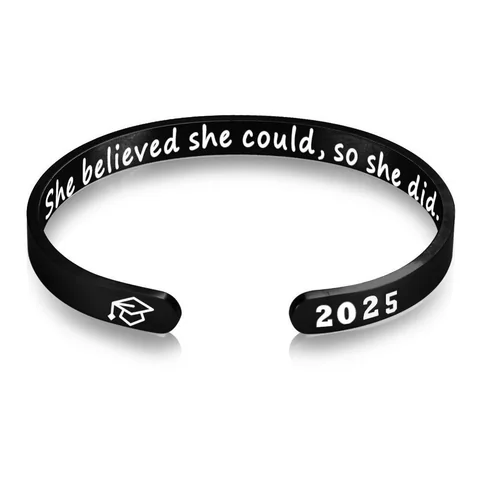
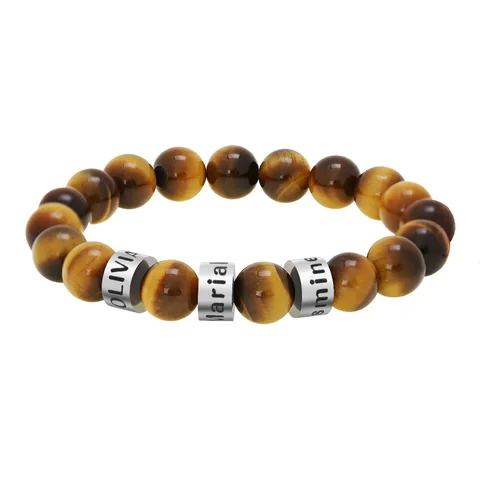
Ask which detail the wearer wants to remember before choosing a memorial phrase. A name, a familiar word, and a date serve different purposes; none is automatically required.
Offer choices without demanding a story
An original question is: “Would you prefer a name, a short phrase, or something only you recognize?” The wearer can answer without explaining the entire relationship.
Original writing examples include “Your laugh,” “At the table,” and a person’s preferred name. They are editorial examples, not customer stories. A shared phrase needs to be meaningful to the wearer rather than moving to an outside reader.
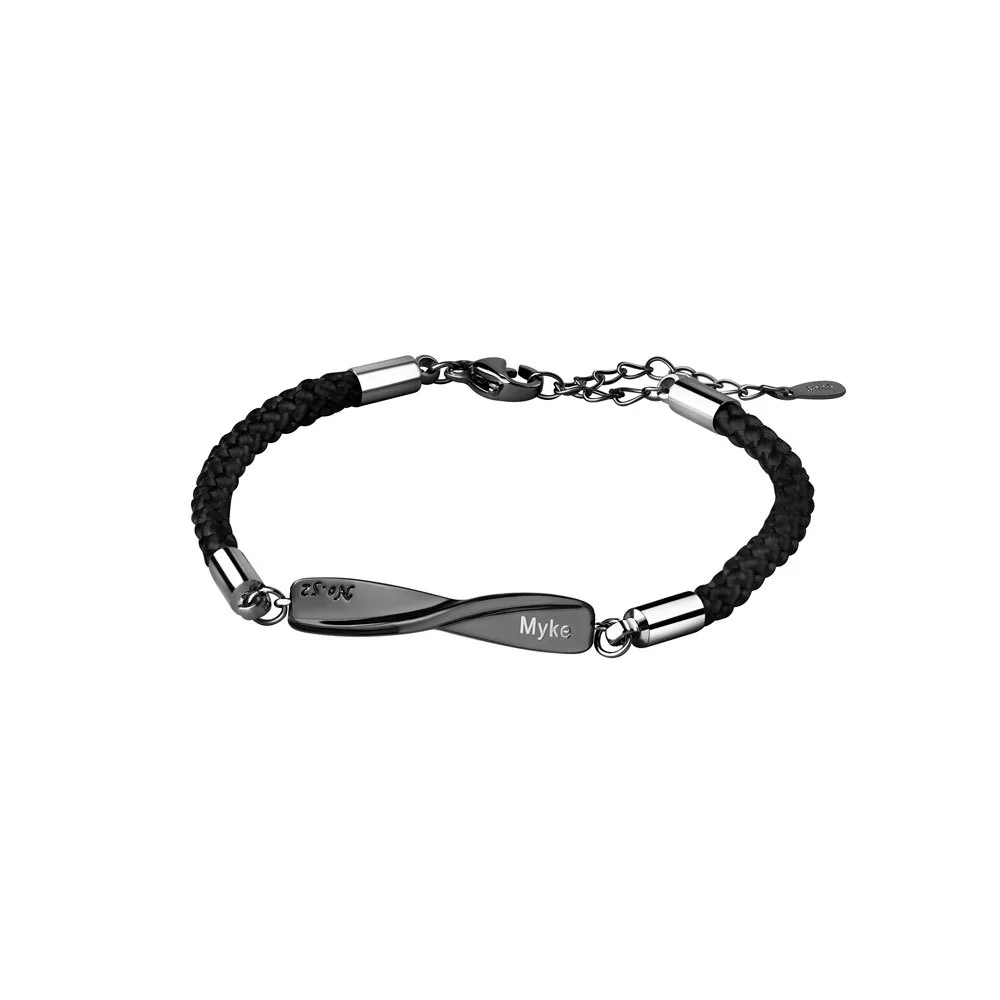
Keep sensitive dates optional
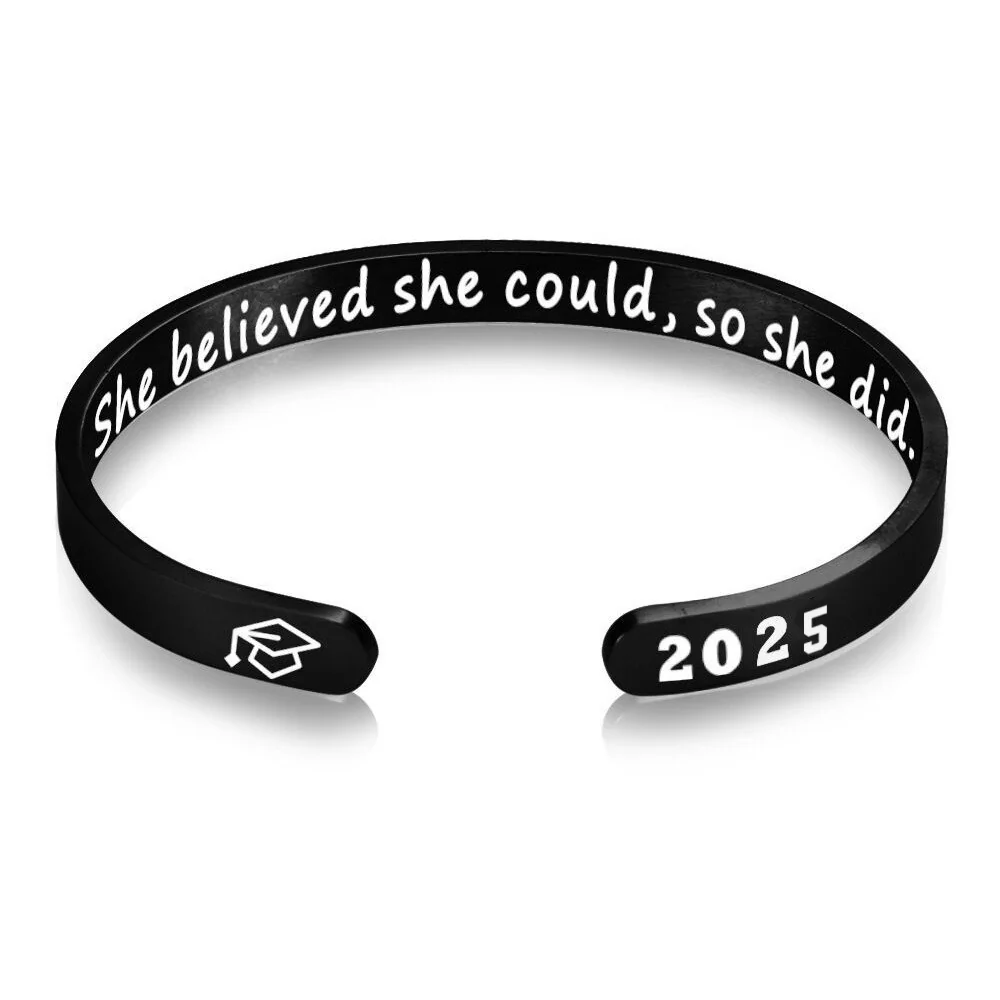
Do not automatically add a birth or death date. Ask whether the wearer wants either displayed and verify the chosen event before formatting it. If the message is private, clarify the requested position; an inside inscription is not confirmed merely because a reference shows one.
For The Open Cuff or The Infinity Bracelet, settle the exact words first and request the supported region separately. This wording brief does not assume a container or promise any health or emotional outcome.
Begin with permission to discuss the gift
A memorial gift can be considered privately before any inscription is chosen. Ask whether the person would welcome a wearable reminder, and give them room to prefer a card, a photograph, or nothing at that moment. Agreeing to discuss a design does not require them to disclose details of the loss or approve a particular phrase immediately.
If you are planning a surprise, consider which decisions can safely remain surprising. Packaging or presentation may be left open while the central message is chosen together. The wearer's preferred name, the event being dated, and whether a memorial detail is visible deserve explicit answers. A surprise is not a good reason to guess at a sensitive inscription that cannot easily be revised afterward.
Decide what kind of memory the words carry
Separate identifying words from descriptive words. A name identifies a person; a phrase such as “Sunday kitchen” points toward a shared scene. A date identifies an event only when the reader knows which event it represents. You can draft one candidate in each category, then ask which feels appropriate without ranking them as more or less meaningful.
Keep the message in the wearer's language. Formal wording may be suitable when that is how the person wishes to remember the relationship. A familiar nickname may be preferable when the official name would feel distant. Do not add religious language, a relationship title, or a statement about the person's current feelings unless the wearer has selected it. The shortest appropriate message may be the one that leaves room for their own interpretation.
Check names and dates as separate facts
Create a private spelling record before discussing lettering. Include the chosen name, any punctuation, and the exact capitalization. If two relatives remember different spellings of a nickname, pause rather than selecting the more decorative one. The wearer can choose the form they want without resolving every historical detail for everyone else.
For a date, write the event beside the full written date in the preparation document. Then derive the proposed inscription from that record. Have the wearer check both. If the event is sensitive or the date remains uncertain, leaving the date out is a complete option. Approximate dates should not become exact numeric inscriptions merely because a layout has space for them.
Compare visibility without assuming privacy
A message placed inward may be less visible in a particular position, but a design image does not establish that such placement is available. Nor does inward placement guarantee that the inscription will never be seen by others. Discuss the level of disclosure the wearer wants before asking about placement. They may prefer a neutral word that does not reveal the memorial context at all.
You can place the detailed explanation in a separate note. That note does not need to travel with the bracelet or become part of a public gift description. When consulting a maker, provide the exact wording and necessary layout information, rather than a personal story that is irrelevant to producing the inscription.
A fictional wording decision
In this fictional editorial example, Jordan wants a reminder of meals shared with an aunt. The first draft says “Forever in our hearts,” but Jordan prefers the privately recognizable phrase “Extra chair.” The accompanying note explains the memory in Jordan's own words. The proposed inscription is checked for spelling and then held until its intended position and available area are confirmed.
Jordan decides against including a date because the memory concerns many ordinary evenings rather than one event. That is a deliberate editing choice, not missing information the maker should fill. Another wearer might choose a name and date instead. The purpose of comparing drafts is to uncover the wearer's preference, not to establish a universal memorial formula.
Prepare the final wording sheet
Save the chosen string without quotation marks unless those marks are meant to appear on the piece. Mark rejected phrases clearly so they cannot be mistaken for alternatives the maker may select. Record who approved the wording and whether a layout approval is still outstanding. If the wearer changes their mind before a production decision, replace the active draft and identify the new version. The useful outcome is an exact, welcome message with a clear approval boundary.