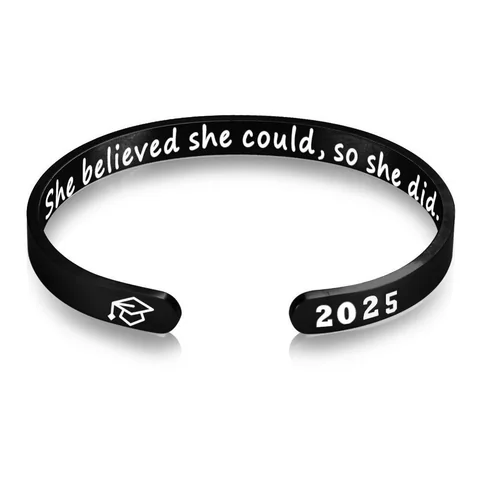
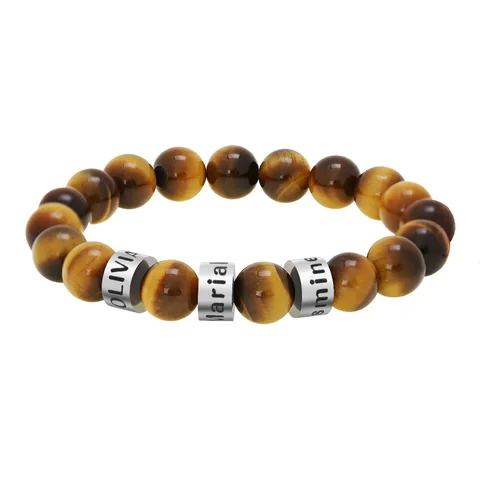
Record the mark before trying a repair. A photograph can document what changed, but it cannot by itself establish whether the change is a scratch, residue, a finish issue, or another condition.
Take a consistent record
Use the same angle, distance, and lighting for two views: the whole piece and the marked area. Keep the image unfiltered. Record when you first noticed the mark, its location, and any relevant event you know happened.
Write “lighter line near the right end” rather than “plating has failed” unless that diagnosis has been established. Separate observations from guesses.
Ask for an assessment of the exact part
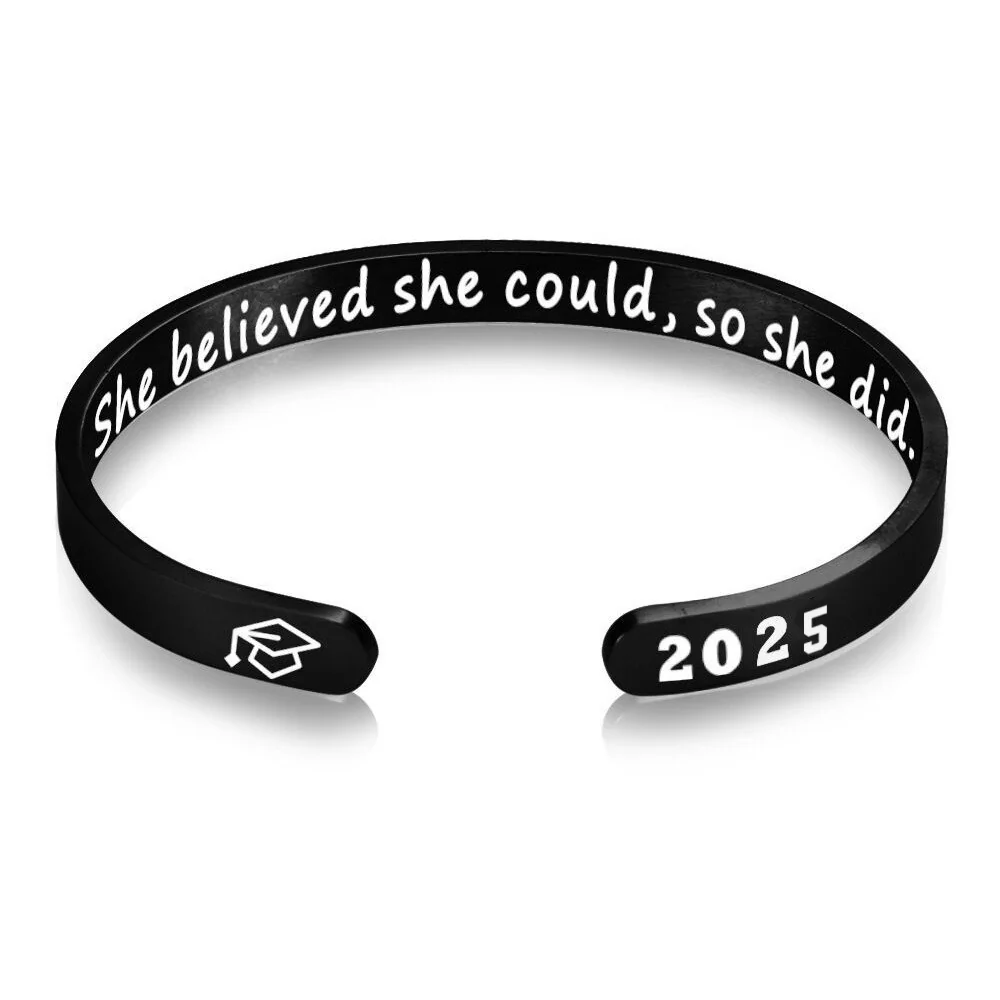
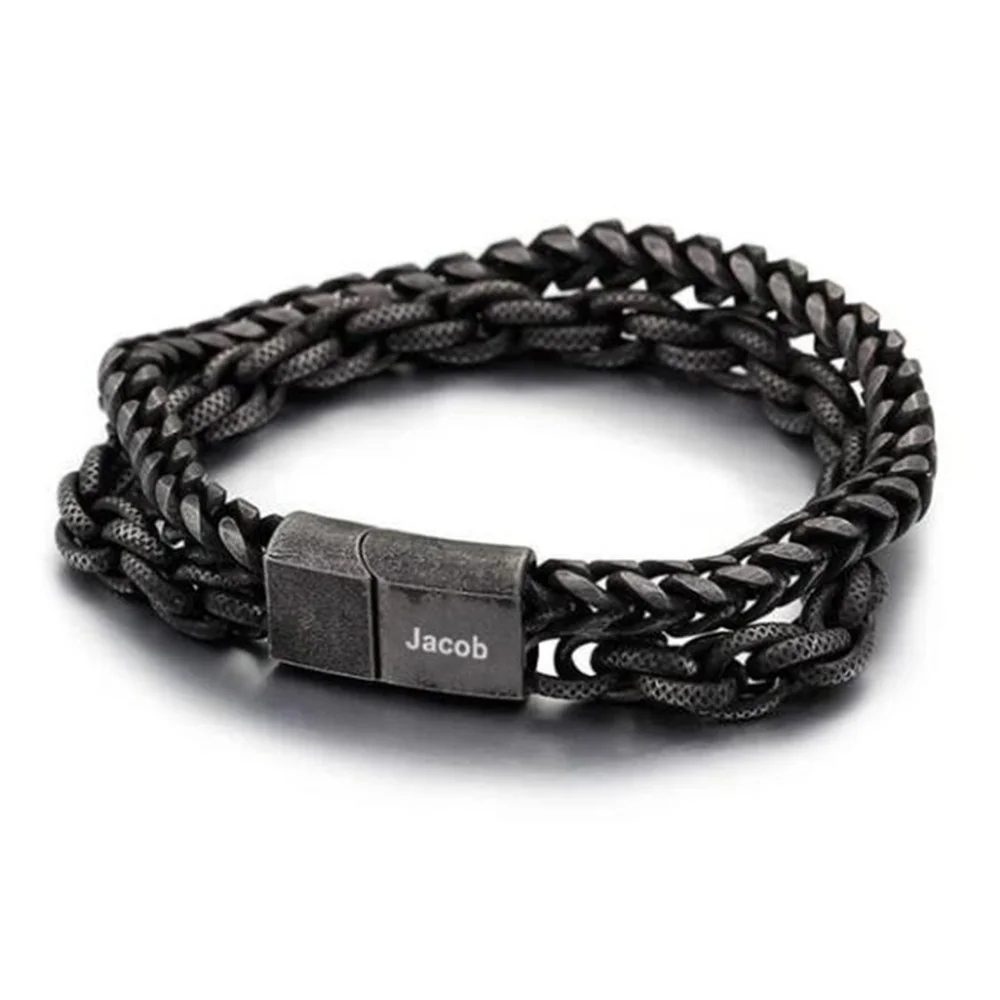
For The Open Cuff or The Double Chain, send the record with the product ID and selected option. Ask what inspection and approved method are needed before polishing, coating, or reworking the area.
The current specifications do not approve a repair recipe. If the reply assumes a material that has not been confirmed, resolve that assumption first. Preserve the original photos so a later change can be compared with the condition you actually reported.
Describe the mark's location precisely
Identify the component first: an end of the cuff, an inscription area, a clasp, or a linked section. Then describe where on that component the mark appears. “A pale line beside the final letter” is more useful than “the bracelet is damaged.” If you cannot tell whether the change is on the surface or beneath it, leave that question open.
Record what you know about the earlier condition. An older clear photograph may help show that the area looked different, but a gallery image of a new product is not your personal before image. Do not claim that a change happened at a particular event unless you actually observed it then. “First noticed after travel” and “caused during travel” are different statements.
Capture appearance without creating a test
Use a whole-piece photograph to locate the affected component and a close view to show the mark. If reflections hide it, take another view with a different light position while preserving the first. Do not edit the mark out, exaggerate its contrast, or use a beautifying filter in the assessment images.
Keep ordinary handling distinct from investigation that could alter the surface. Do not rub the area repeatedly to see whether it disappears, scrape it, or try a chemical product as a diagnostic step. If a qualified assessor asks for a specific inspection, clarify what action is requested and whether it applies to the confirmed construction before proceeding.
Build an event-and-product record
| Information | Example of an observational entry |
|---|---|
| First noticed | “Visible when I removed the piece that evening” |
| Location | “Near the right cuff end, outside surface” |
| Appearance | “A narrow lighter line” |
| Known contact | “The piece was stored with another accessory” |
| Product used | Exact name if one was used, or “none used” |
| Earlier evidence | A dated personal photograph if available |
These are editorial examples of record language, not an account of a real damaged bracelet. Use unknown where the event is uncertain. The table helps an assessor see the difference between an observed mark, a known exposure, and a proposed explanation.
A fictional mark-assessment request
In this fictional editorial example, Avery sees a light area near a cuff inscription. Avery records the location, photographs the whole cuff and that area, and notes that no polishing product has been applied. The request asks for assessment of the exact option and whether any proposed intervention would affect the inscription or surrounding finish.
The first reply describes a treatment for another material. Avery does not use it. Instead, Avery asks the assessor to identify which specification supports that recommendation for the actual piece. If inspection of the item is required, the original condition record remains available so the later assessment can refer to the same mark.
Suppose the assessor describes the issue differently from Avery's initial guess. The record can be updated with the assessor's attributed conclusion while preserving the original observation. Avery's wording does not need to pretend that a diagnosis was known from the start.
Evaluate the proposed repair as a separate decision
A diagnosis is not automatically approval of every repair method. Ask what the proposed work changes, which component it covers, and whether the personalized area is affected. If the result could differ visibly from the surrounding surface, request an explanation of that limitation before deciding. Do not assume that polishing is appropriate merely because the issue looks like a line.
Ask whether the proposal requires an in-person assessment or a replacement component. Those possibilities remain questions unless a service is actually confirmed. Current Energvia references do not establish a repair offer, a price, or a guaranteed restoration result.
Compare later changes with the original record
If applicable work is eventually performed, compare the returned condition with the original views and the agreed description. Record what appears different and what remains. Keep the assessor's statement attributed rather than converting it into a broader material or durability claim. An improvement in one visible area does not establish that the piece will resist every future mark. The useful record remains specific to the condition that was actually assessed.