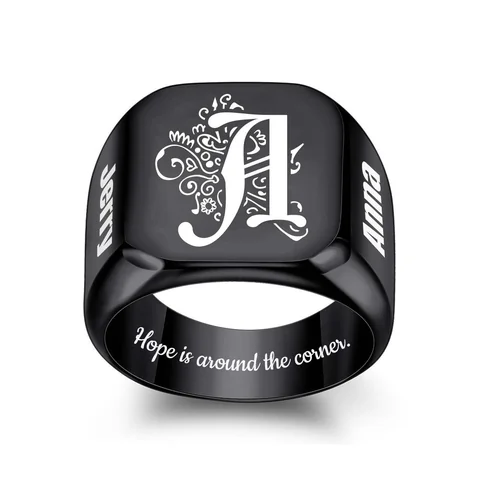
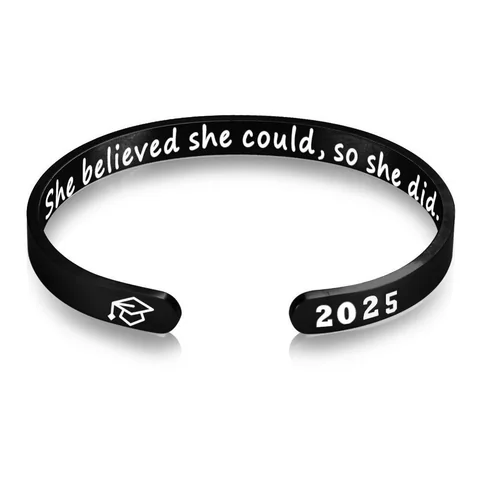
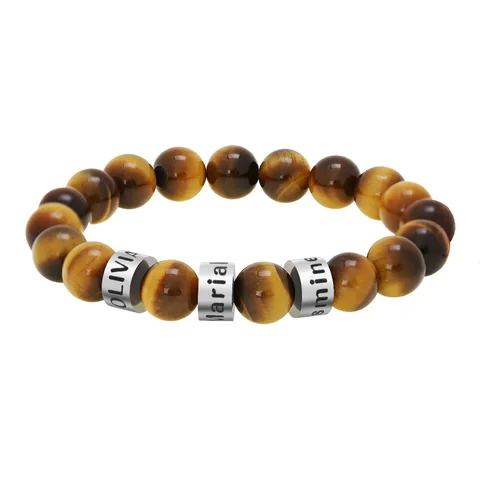
Start with the clothes you wear repeatedly. A bracelet chosen for an imagined outfit may have less use than one whose shape works with your usual sleeves and other accessories.
Test three familiar settings
Choose a usual shirt, casual top, and outer layer. Beside each, note whether you want the bracelet visible and whether its outline adds a detail you like. Use the same reference image for each comparison so the clothing is the changing variable.
If a sleeve would normally cover it, consider whether that suits the private message or defeats the visible-style goal. Both preferences are reasonable.
Choose one useful role
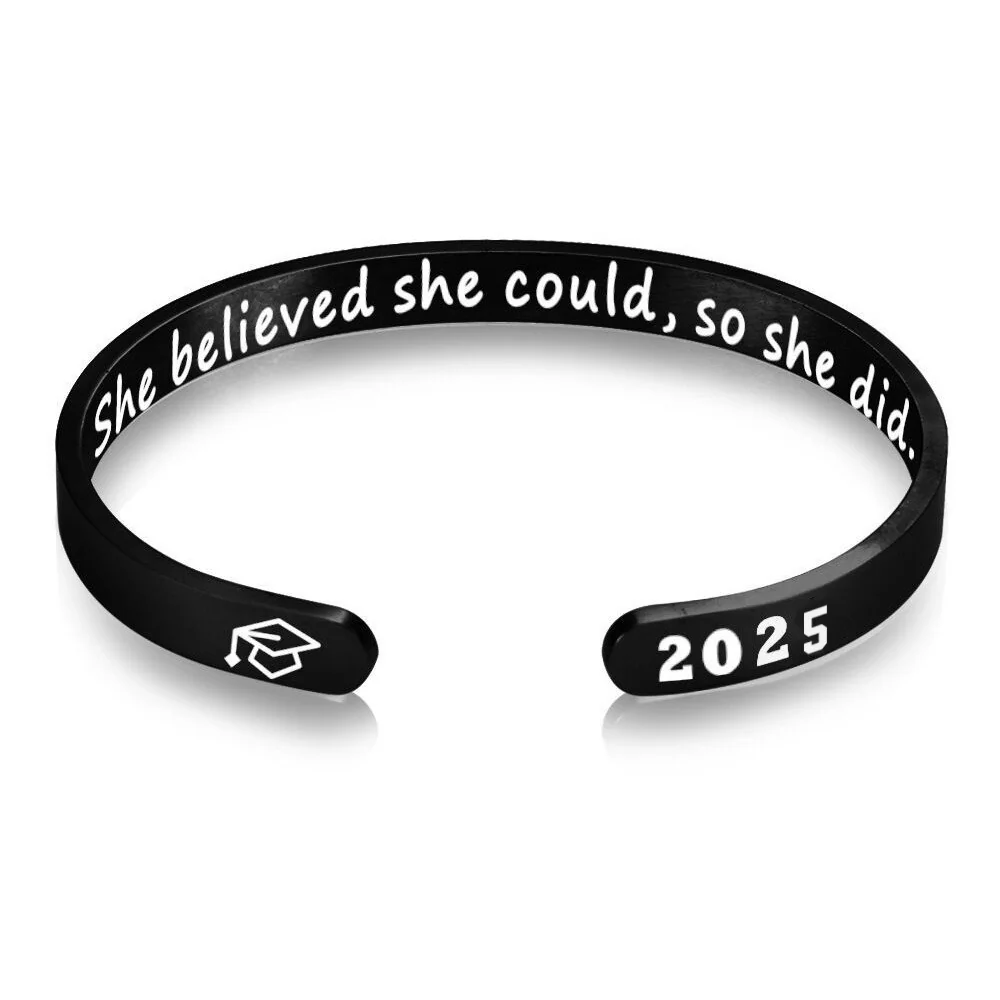
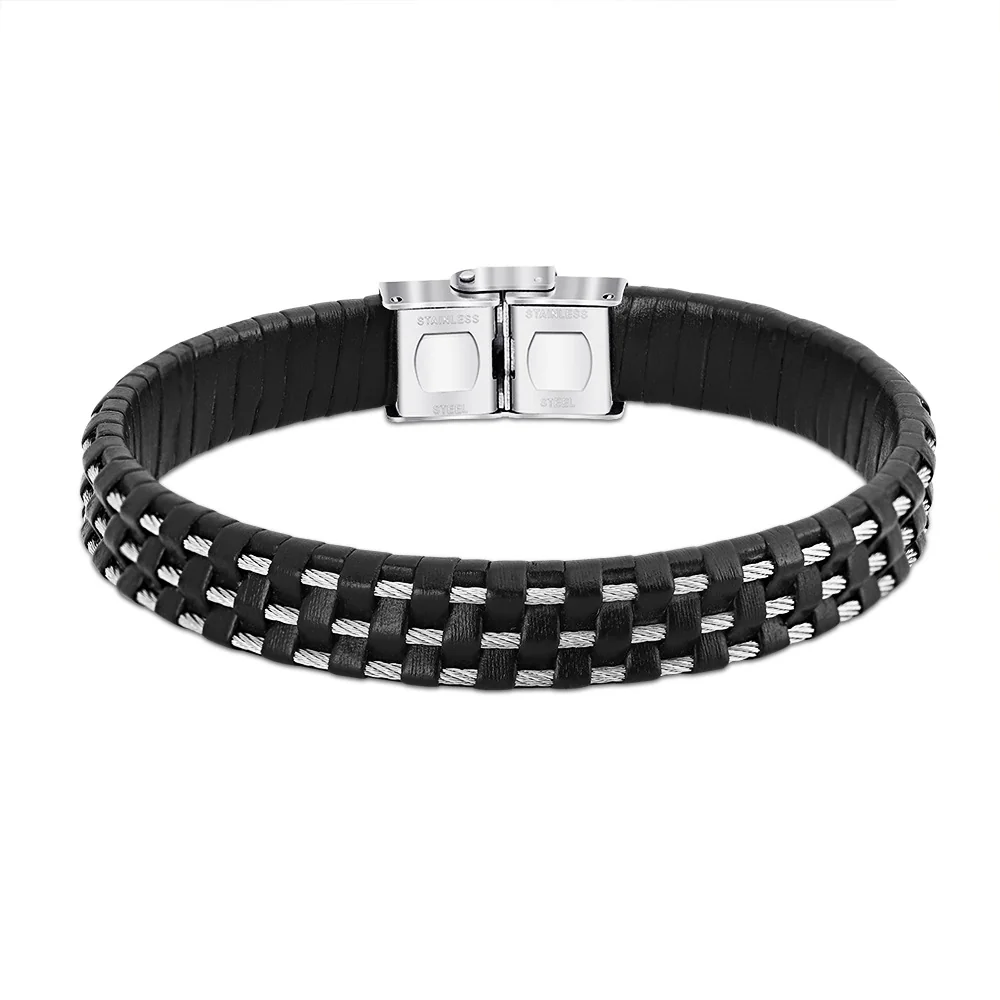
Use The Open Cuff if the continuous shape interests you; compare The Wide Link Bracelet if texture is the priority. A minimal wardrobe does not require a plain inscription or a particular material.
Keep the final fit and care questions separate. The reference comparison cannot prove sleeve clearance or low maintenance. A useful shortlist contains one intended role and the unresolved specifications, instead of adding several pieces simply to create variety.
Select clothes from your actual routine
Choose garments you have worn recently rather than building a hypothetical wardrobe around the bracelet. One can represent an ordinary shirt, another a casual top, and another an outer layer. Identify them in a private note so the comparison is repeatable. You do not need to buy new clothing to evaluate whether a reference serves the role you want.
Record the sleeves and accessories you usually use with each. A bracelet that you want visible may have little visual role under a sleeve you never change. A private inscription can still be meaningful when covered. State which goal applies instead of assuming that visibility is always required.
Keep the bracelet image constant
Use the same reference image at a comparable size beside each clothing choice. Change the garment, then note how the bracelet's outline relates to it. If you also change image scale, background, or other accessories, it becomes harder to identify which difference influenced the preference.
Describe the result using observable styling language. “The continuous outline is the detail I notice first” or “the sleeve hides the feature I wanted to show” is more useful than declaring a piece universally versatile. These notes identify the particular clothes and role being evaluated, without claiming a physical fit result.
Record the three comparisons
| Clothing setting | Question to answer |
|---|---|
| Usual shirt | Does the sleeve position support the visibility goal? |
| Casual top | Does the outline add a detail you want? |
| Outer layer | Would the accessory normally be seen or intentionally covered? |
| Existing accessories | Which item should receive attention first? |
| Common result | Is there one role that works across the chosen settings? |
The table does not rate one style as superior. It identifies where the same reference is useful and where it has little role. If the result differs between outfits, note the difference rather than averaging it into an unsupported claim that the piece goes with everything.
A fictional small-wardrobe comparison
In this fictional editorial example, Sam repeatedly wears a buttoned shirt, a plain casual top, and a jacket. Sam wants a bracelet mainly for its continuous outline, with a short personal message that need not be visible to other people. The shirt and jacket often cover it, which Sam considers acceptable rather than a styling failure.
With the casual top, the outline is visible and becomes the main wrist detail. Sam keeps that role in the brief and does not add another bracelet simply because the covered outfits show less jewelry. The fit, relevant dimensions, and care questions remain open because the image comparison cannot answer them.
Another fictional wearer wants an outward-facing inscription visible with all three garments. For that wearer, the covered settings are a problem worth recording. The next decision may concern the clothing arrangement or a different jewelry category, rather than describing the same cuff as universally suitable.
Compare another outline only if the role is unclear
If the continuous cuff shape does not serve the chosen purpose, introduce one different reference and repeat the same clothing comparison. Identify what changed: texture, repeated elements, or a more distinct joining component. Keep the number of candidates small enough that you can explain the preference.
Do not substitute a material or maintenance claim for a styling reason. A design that looks simple is not thereby easier to care for. A photograph cannot establish whether it clears a sleeve or feels comfortable. Those specifications and assessments belong beside the chosen style rather than inside a claim of versatility.
Make one decision the wardrobe can support
The final note should identify the preferred outline, its role, the clothes used for comparison, and the visibility you actually want. It may also say that no candidate meets the goal yet. That is useful information before committing to personalization.
Keep the exact wording editable until the intended region is confirmed. If the role is private meaning rather than visible text, record that preference without assuming an inside engraving service exists. A small wardrobe can support a clear personal choice, but it does not supply the product's manufacturing, fit, or care evidence.