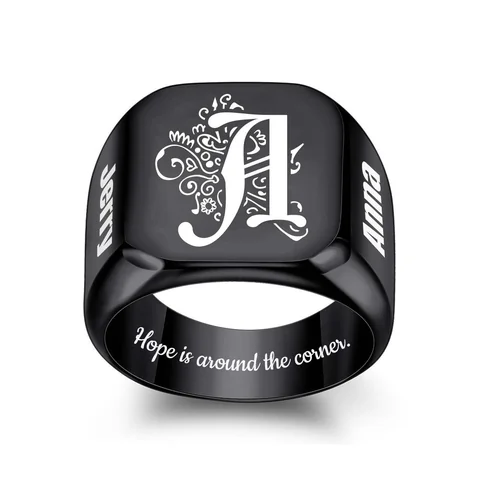
Read the included quantity in the written offer. Two pieces in a photograph do not establish that a price includes a pair.
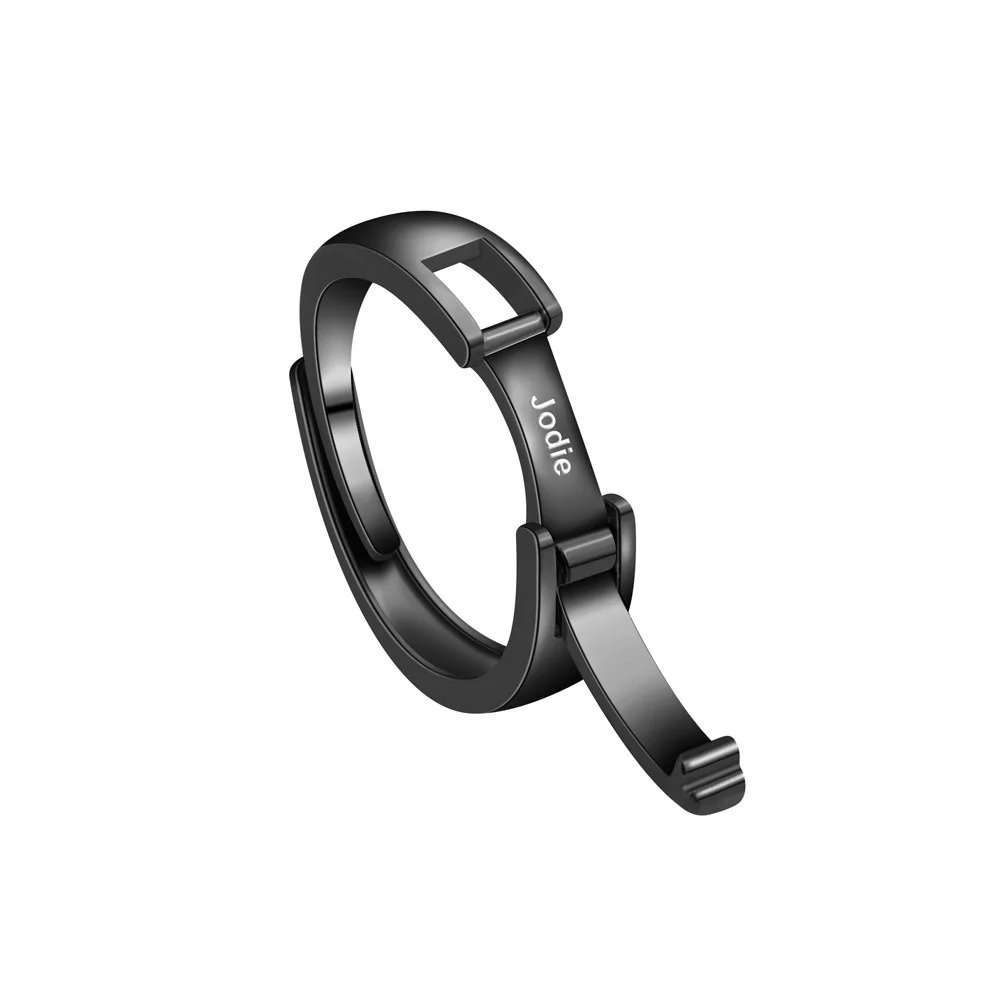
Check quantity and individual options
Ask whether the offer includes one piece, two pieces, or another explicitly stated quantity. For a pair, confirm whether each piece can have its own size, name, and color, and how those selections appear in the final brief.
An original inquiry is: “Please list the pieces included in this exact offer and the separate options available for each. Does the shown total include personalization for both?”
Keep the comparison honest
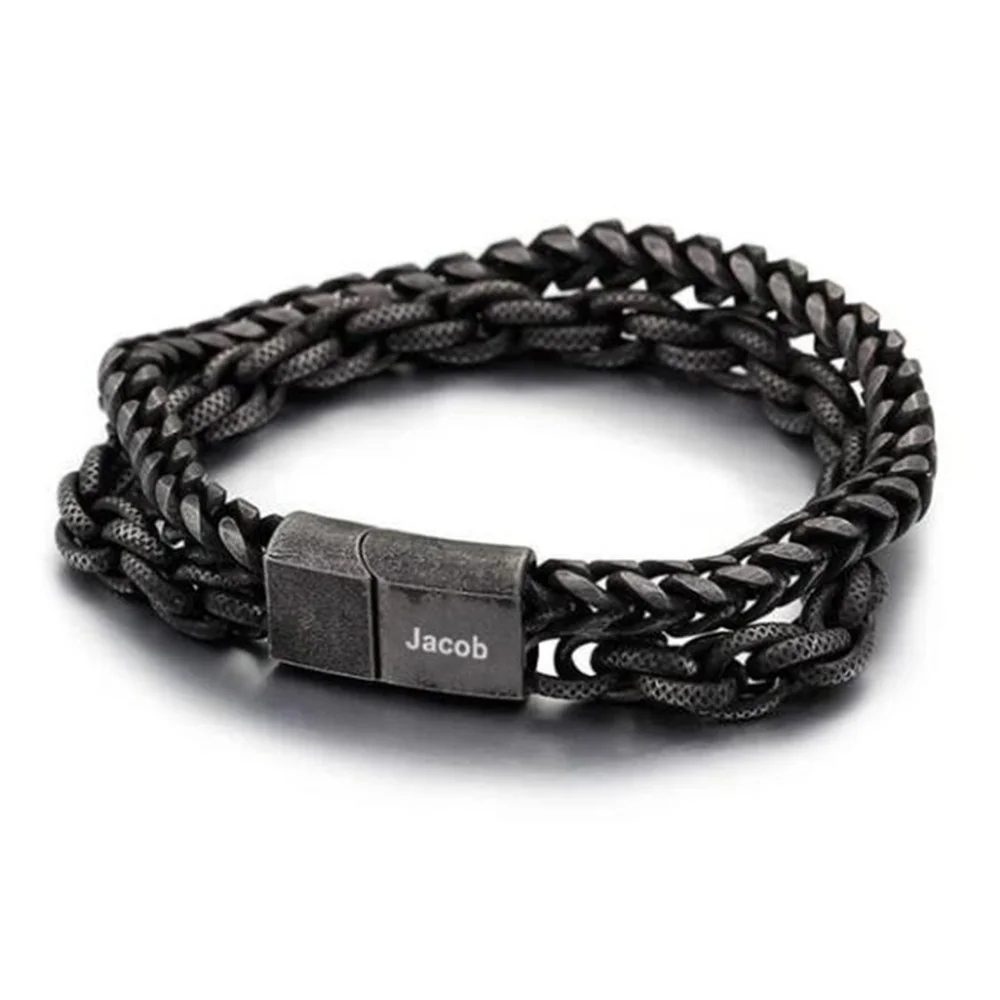
If you started with personalized couple rings, The Name Ring remains an individual design reference in the selected catalog. The Double Chain is a different category, not a second ring.
Do not compare a single-piece figure with a pair total without resolving what is included. Check the current selected options and itemized checkout information before treating a displayed figure as a confirmed bundle total for both pieces. Keep the intended quantity in the brief for later verification.
Separate the intended pair from the seller's offer
Write what you want first: two rings for two wearers, with a distinct size and inscription for each if desired. Then record what the actual offer says. If the offer identifies one item only, do not rewrite it as a pair because the search term or photograph suggests a couple theme.
A shared occasion does not establish identical options. One wearer may want a different appearance or no inscription. List those preferences explicitly. The offer must identify whether they can be selected separately and whether the included quantity covers both intended pieces.
Build an inclusion record
| Offer question | Detail to record |
|---|---|
| Included quantity | The number of finished pieces stated |
| Item identity | The design and option for each piece |
| Individual sizing | The separate selections actually offered |
| Personalization | Which inscription is included on each item |
| Packaging | Whether the stated packaging is per item or shared |
| Total scope | What the shown figure covers, if a quote exists |
Leave unavailable answers marked as not supplied. Packaging information does not determine the number of rings. A photograph of two boxes does not settle whether both items or both personalizations are included.
Make the question specific enough for a written answer
State the product identifier and intended quantity, then ask the seller to list each included piece and its selectable options. If a figure is provided, ask whether it describes one piece or the complete pair with the intended personalization. Record the currency and whether delivery is part of the stated scope, rather than assuming inclusion.
The question does not need the couple's whole story. The seller needs the configurations and the inclusion issue. Keep recipient codes such as Wearer A and Wearer B if names are unnecessary for this stage. Exact inscription strings can be added to the individual briefs once capability and applicable requirements are clear.
A fictional pair-quantity comparison
In this fictional editorial example, a couple wants two rings carrying different names. An image shows two pieces, but the written offer describes a single ring. The couple records the mismatch and asks whether the offer can cover both independently specified items. No pair total is calculated from the image.
Suppose the response says that two separate items can be quoted, with individual options identified for each. The couple can then compare that complete scope with another complete two-piece offer if one exists. A single-piece figure from another design remains a different quantity and cannot be compared as if it were the same package.
Another fictional gift plan combines a ring and bracelet. That is a two-item plan, but it is not a couple-ring pair. The category and quantity remain explicit so a mixed plan is not mistaken for a confirmed ring bundle.
Check the two personalizations independently
Even when an offer includes two pieces, confirm the exact text and approved region for each. One piece's name allowance should not become the other piece's instruction automatically. If a full name fits one region but not the other, the wearers must decide whether a different layout or deliberate abbreviation is acceptable.
Keep fit separate as well. The same design does not establish the same ring size for both people. Use the applicable finger-specific sizing route and approved specifications rather than one wearer's measurement as a shortcut for the pair.
Give each intended piece a stable code in the final record. If separate packaging is requested, ask how the codes would be preserved through identification and presentation. A label preference is another service question, rather than proof that the offer already includes individual labeled boxes.
Preserve a clear final quantity statement
Before relying on an offer, the record should identify two intended finished pieces, their separate specifications, and what the stated figure includes. If only one item is confirmed, record that boundary. Do not promise the recipient a matching second piece, separate packaging, or included personalization until those details are actually supplied.
Current reference pages do not establish an accepted order or payable pair quote. The preparation record is still useful: it turns an ambiguous couple-themed image into a precise two-piece request, ready for verification when an appropriate ordering process and complete offer exist.