Check chain length and pendant dimensions separately. A chain number does not tell you exactly where the anchor will sit on a particular wearer or with a particular neckline.
Read the extension statement carefully
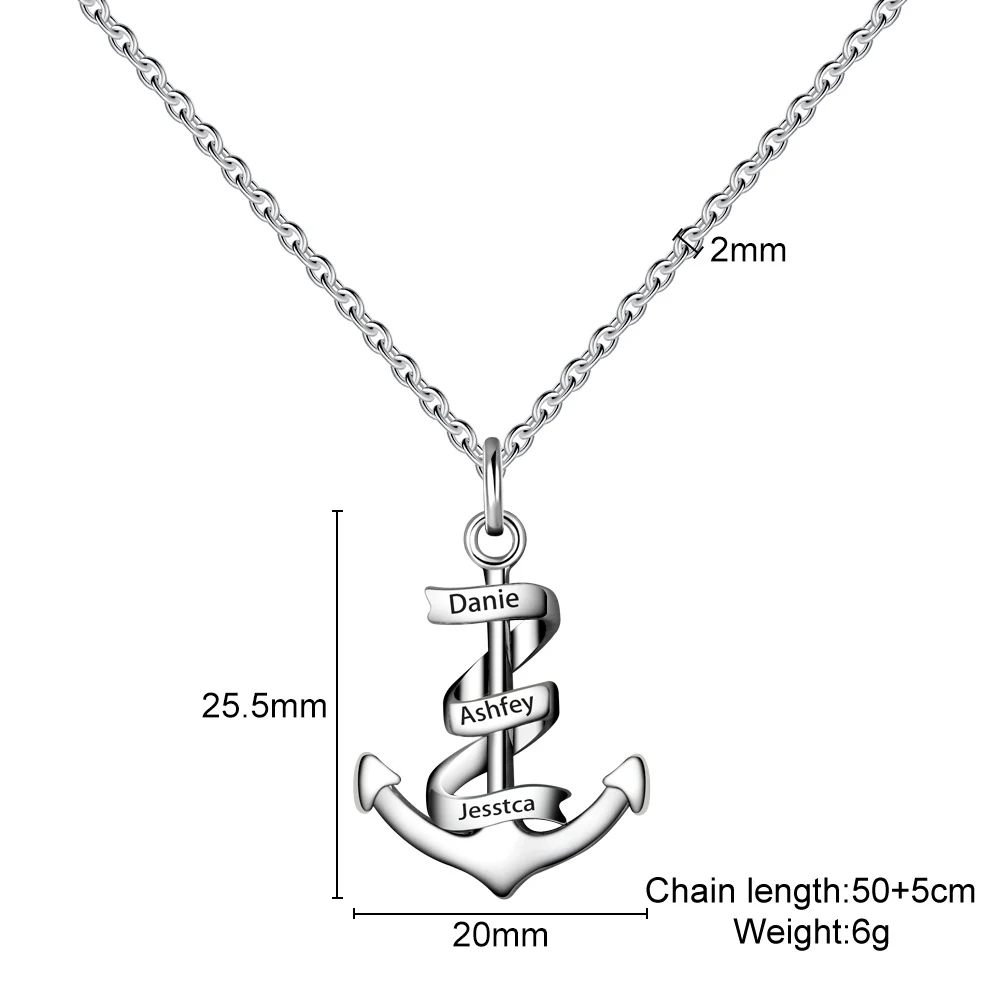
The original source diagram for The Anchor Necklace labels the chain “50 + 5 cm” and the pendant approximately 25.5 by 20 mm. Ask whether the extra 5 cm is an extension, how it is used, and which selected version the diagram describes.
Do not add the pendant height to the chain length and report the sum as a necklace size. They describe different parts and directions.
Use an existing necklace as a position reference
Record the chain measurement of a necklace the wearer already likes, with its clasp definition. Then note the collar they normally wear and whether they want the pendant above, within, or below that opening. These are placement preferences, not a universal length rule.
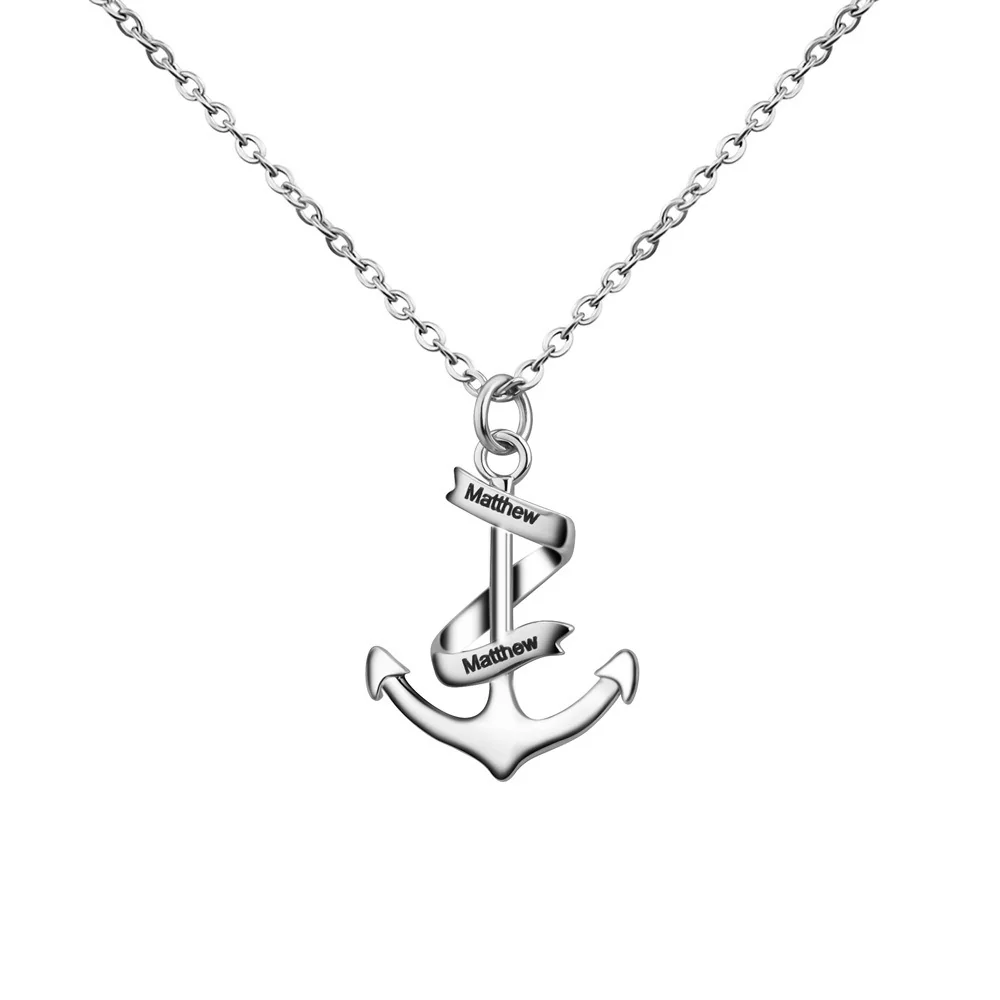
Before choosing, request the available chain setting and a confirmed pendant specification for the intended option. If placement is essential and the length definition remains unclear, postpone the fit decision. A gallery image on a different wearer cannot remove that uncertainty.
Preserve conflicting source descriptions
The supplier record archived on September 26, 2026 also contains a broad total-length attribute of 51–80 cm, while its detail text and dimension reference describe 50 + 5. Those statements have not been reconciled into one approved Energvia chain specification. Keep them as separate source statements and ask which applies to the exact necklace option under discussion.
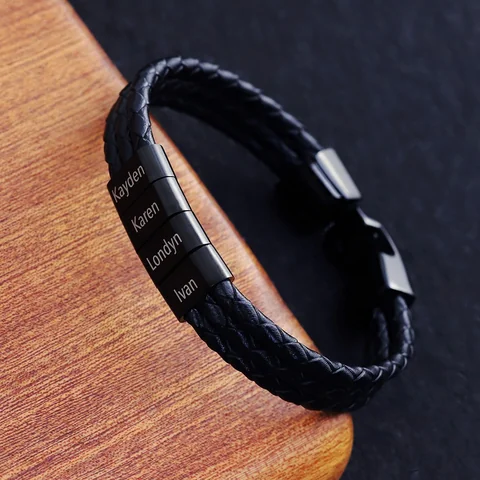
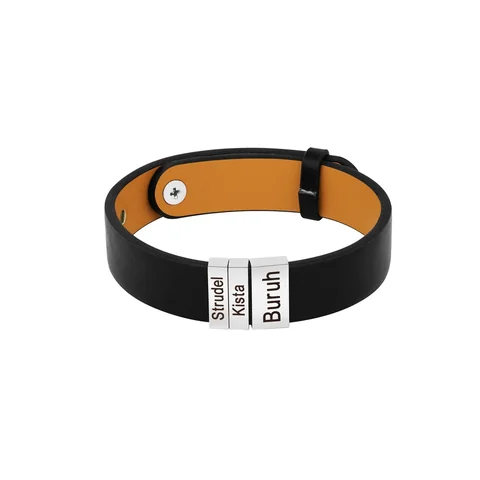
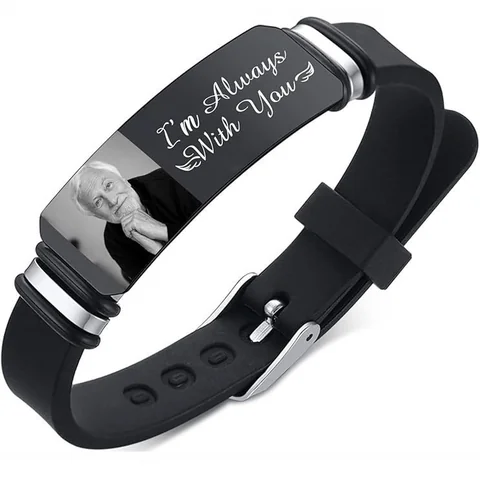
The same source includes necklace and bracelet options. A dimension for a bracelet in that record is not a necklace chain specification. When saving an image or copying a line from the source, identify the product form and option it describes. This prevents a shared listing from becoming a mixture of measurements that belong to different objects.
If the answer names an extension, ask whether the stated base length includes the clasp and how the extension settings are defined. Do not assume every part of the extension provides a usable fastening point. Preserve the supplied method rather than creating instructions from a close-up photograph.
Describe the desired position in relation to clothing
Choose one ordinary outfit for the placement discussion. Record the neckline or collar opening and whether the wearer wants the anchor visibly above it, within it, or below it. That description gives the comparison a concrete setting. A chain number alone cannot express the relationship between the pendant and the chosen clothing.
Use a necklace the wearer already likes, with permission, as a visual preference reference. Note where its pendant sits in the chosen outfit and whether the pendant's shape differs from the anchor. If it has an extension, record the setting actually used. Its comfortable position is useful context, while its size label still needs a measurement definition.
Do not add a pendant's full height to the chain length to estimate a total wearing size. Chain length runs along a different path from the pendant's vertical dimensions. A paper outline based on supplied pendant dimensions may help discuss visual scale against clothing, but it is only an editorial mockup. It does not demonstrate weight, movement, fit, or how a finished anchor will hang.
Build a fictional position brief
In this fictional example, a wearer wants an anchor visible above the opening of an unbuttoned shirt. They photograph a necklace they already own in that outfit and note the actual extension setting. They separately record the candidate's source chain wording and the unresolved question about whether the extra length is an extension.
Their position brief says that the preferred outcome is visibility within the shirt opening, with the anchor's own dimensions considered separately. It does not claim that a particular chain length will deliver that result. The photograph shows a preference on that wearer; the supplier still needs to explain the candidate's available settings and the specification for the chosen option.
If the wearer switches to a higher neckline, the earlier position reference no longer represents the same clothing goal. They can keep both outfit notes and decide which one matters more. Asking one necklace to occupy the same visible position in several different openings may require a confirmed adjustment route, which should be treated as a separate capability question.
Keep lettering and placement decisions distinct
The anchor reference contains example names on ribbon-shaped details. Prepare your own exact names in a text note and identify the desired reading order. Do not infer from the photograph that every source option supplies the same regions or number of names. A correctly described pendant position does not confirm the inscription layout.
For a supported configuration, retain the chain definition, available setting, pendant dimensions, chosen outfit reference, and proposed lettering proof in one packet. If the chain information remains contradictory, leave that field open rather than choosing the statement that best matches your hoped-for position. The completed preparation should tell a reviewer what appearance the wearer wants and which product facts still need confirmation to evaluate it.
Review the reference photograph in its original orientation before marking a desired position. A cropped view can hide the collar opening or make a pendant appear closer to it. Keep a full outfit view for context and a detail view for discussing the anchor's visible scale. Label both as preference references so the reviewer does not mistake an existing necklace photograph for a promised result from the candidate.