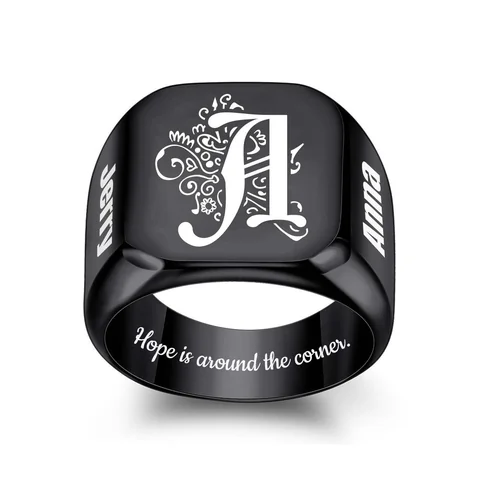
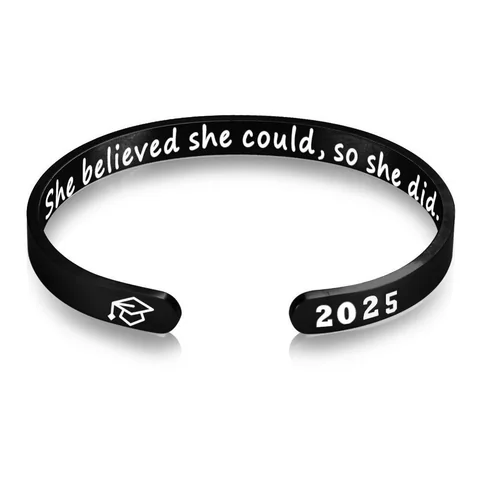
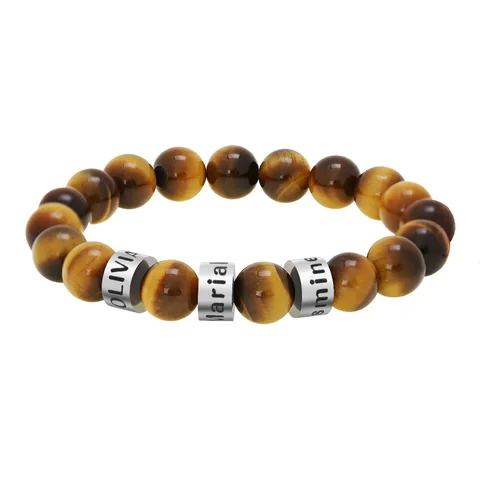
Ask which part a width describes. The chain, a broad clasp, and an inscription panel can have different widths on the same bracelet. One number cannot describe all three.
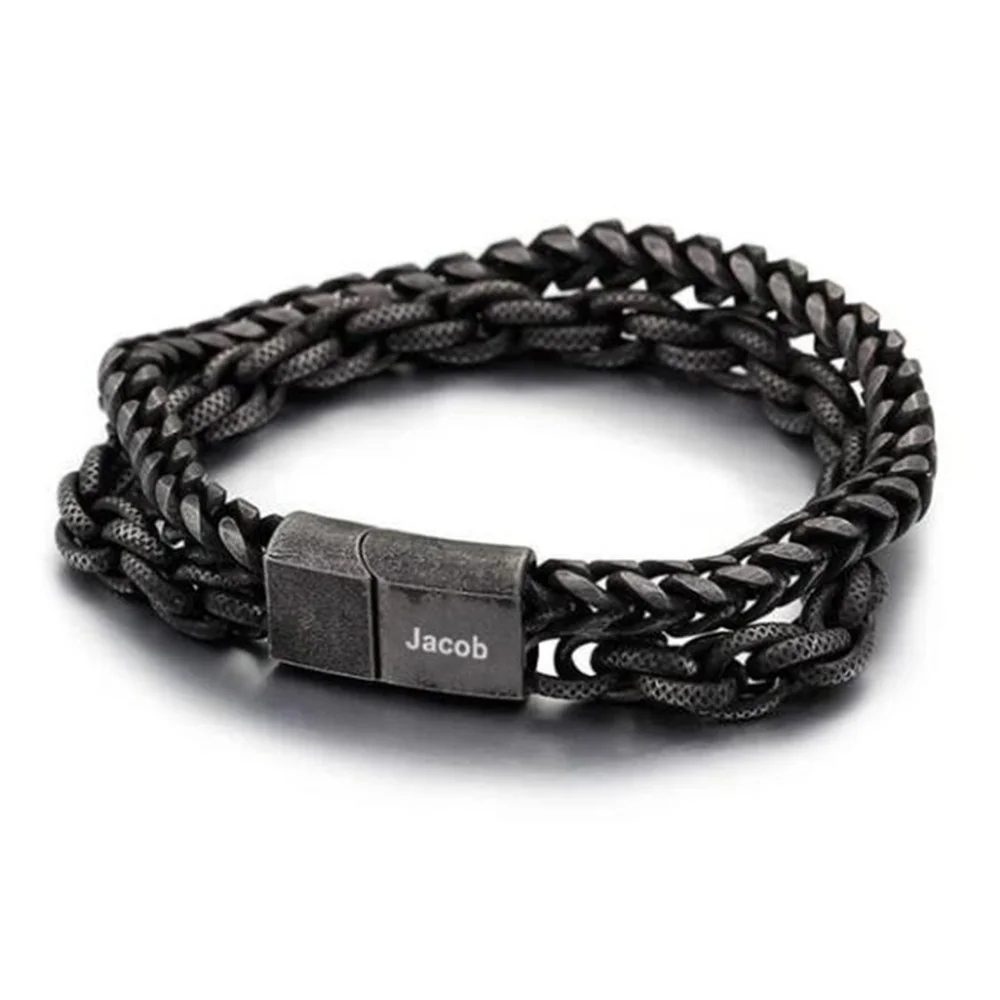
Read the label beside the number
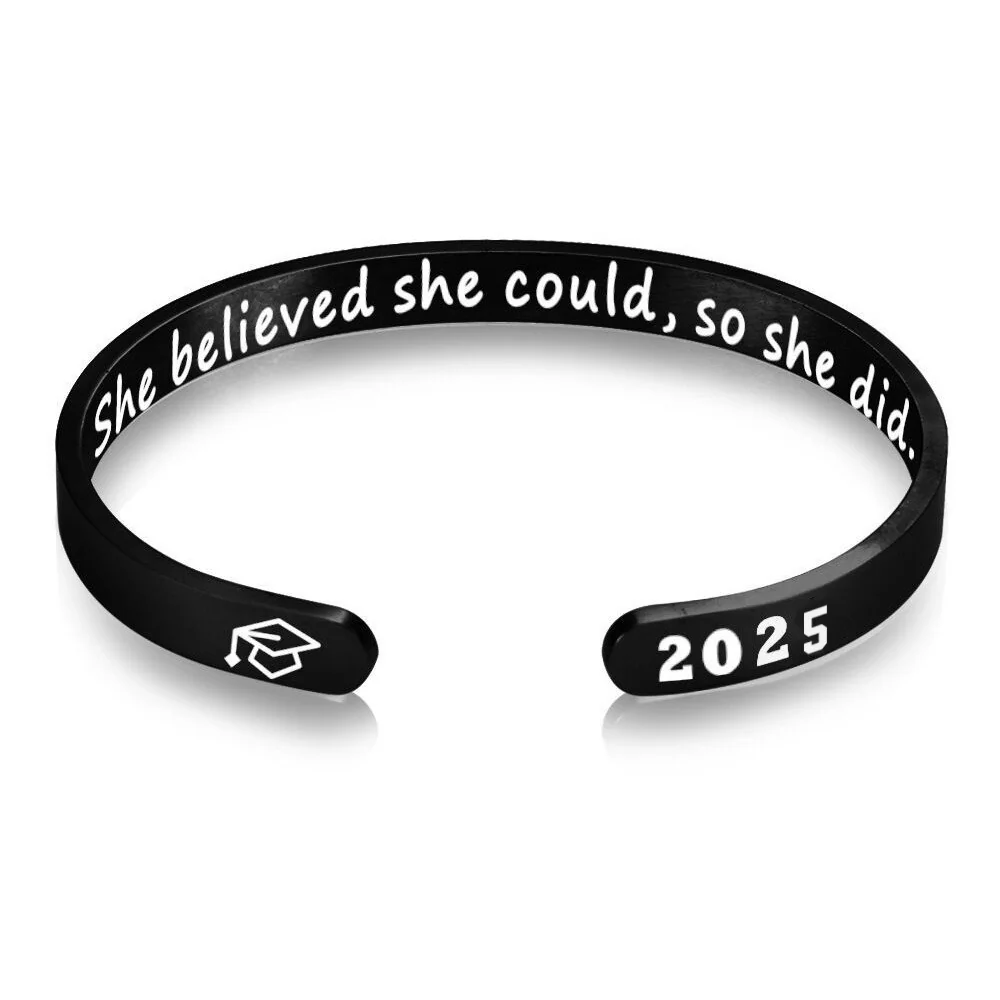
The archived supplier text for the Double Chain lists a coarse-chain figure of approximately 13 mm and a clasp figure of approximately 24 mm. The text for the Open Cuff lists a width of approximately 6 mm. These are supplier-reported figures for their source versions, not measurements made by Energvia.
| Source figure | Appropriate comparison | Incorrect shortcut |
|---|---|---|
| Chain width | Chain against chain | Treating it as the maximum width of the whole bracelet |
| Clasp width | Clearance at the clasp location | Treating it as usable engraving width |
| Cuff width | Band profile | Converting it into wrist circumference |
Make the comparison usable
Record the widest relevant part and its location. If a sleeve is the concern, also record the sleeve opening you actually use; no universal shirt-fit conclusion follows from these product figures.
The Cord Bracelet lacks a sales-approved width in the current record. Write “not supplied” beside it rather than estimating from the photograph. Ask for a diagram labeled in millimeters and tied to the exact selected option.
Use the numbers to request a better comparison, not to announce a winner. Finished size and how the piece sits still need separate confirmation.
Separate overall width from the width that affects your concern
First state why width matters to you. A watch-clearance question concerns the portion beside the watch. A sleeve-clearance question concerns the highest or widest part that meets the cuff. A lettering question concerns the usable inscription region. Those may be three different locations, so one general width figure is an incomplete answer.
Draw a simple outline of the reference and label strand, joining component, panel, and end. Place the supplier's stated dimensions beside the corresponding labels only when the source identifies that relationship. If a number has no clear location, put it in an “unlabeled” note instead of assigning it to the part that looks most plausible.
Ask for a diagram that answers the actual question
A useful request could read: “Please show the maximum width of the selected bracelet, the width of each strand, and where the maximum occurs. My concern is the space beside an existing watch.” This identifies both the measurements and the purpose. It does not promise that a measured clearance will make the combination comfortable.
For a cuff comparison, ask whether the stated band width remains constant along the visible section or whether an end or decorative feature is wider. For a panel comparison, ask for the usable engraving region separately from the panel's external dimensions. Edges, curves, and decorative features may affect what the maker can actually offer; the external outline does not settle that question.
A seller's photograph with a ruler can help identify a distance, but it needs the correct version and a clear view. Ask for the unit and the measurement endpoints in text as well. Keep the image as supporting evidence rather than extracting a more exact number than its clarity allows.
Build a comparison with consistent columns
Use columns for component, stated measurement, unit, source version, and status. The status might be supplier-reported, independently measured, or not supplied. Do not collapse these into a single column called size. That would hide the difference between a source claim and a confirmed specification.
A fictional worksheet might list one design with an identified clasp width and another with no clasp measurement. The first design has a better-documented answer to that particular question. It is not automatically the better bracelet. The second remains unresolved until the relevant measurement is supplied.
If a source lists a range, preserve the range and ask what causes it. It could refer to different options or another source distinction that has not been explained. Do not choose the lower number simply because it makes the design easier to shortlist.
Test a visual preference without declaring a fit result
Cut a paper strip representing a confirmed dimension only after the dimension and its location are identified. Place it beside a watch or sleeve as a planning aid. The strip has no thickness, articulation, curvature, or closure, so it cannot reproduce wear. It can still help you decide whether you want a narrow visual line or a broader focal point.
If no reliable dimension exists, use a written preference instead: “I want the text-bearing component to occupy less visual space than my watch case.” This tells the seller what you are trying to achieve without inventing millimeters.
Keep the width decision separate from bracelet length and weight. A wide-looking component can appear in a light or heavy design; the photograph cannot settle that. A narrow band can still have a size that is unsuitable for the wearer. Request each relevant specification with its own label.
Finish by identifying the measurement that would actually decide the comparison. If maximum clasp width is the unresolved issue, request that value before debating lettering. A shortlist based on the right missing measurement is more useful than a detailed comparison built from numbers that describe different parts.