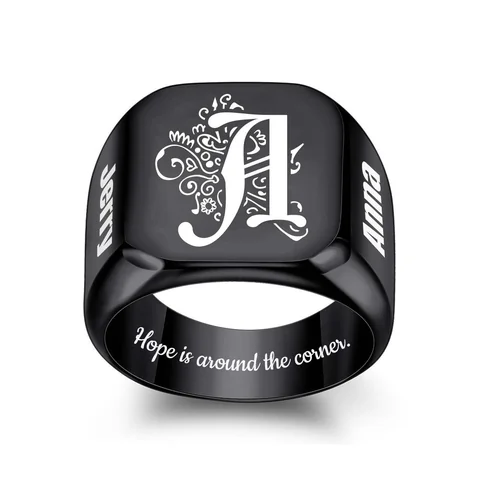
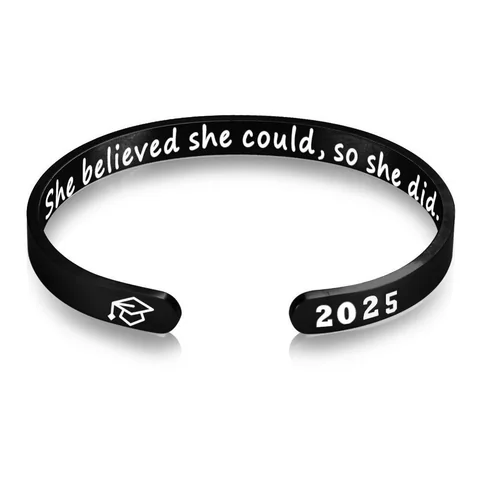
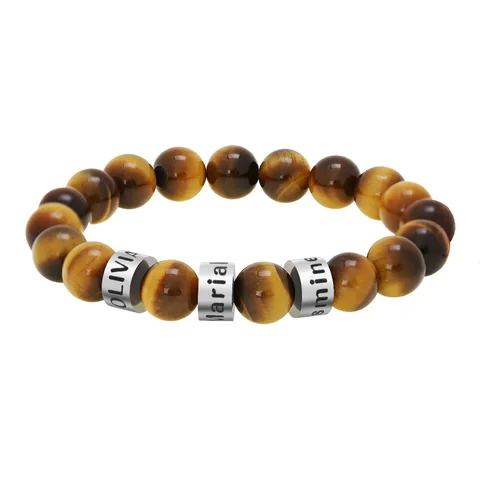
A smaller wrist does not prescribe one bracelet width. Compare the visual proportion you prefer and resolve actual fit as a separate question.
Compare with a piece you already know
If you own an accessory whose visual scale you like, record its measured width and what you like about it. Ask for comparable component measurements of the candidate. Do not estimate millimeters by resizing a gallery image.
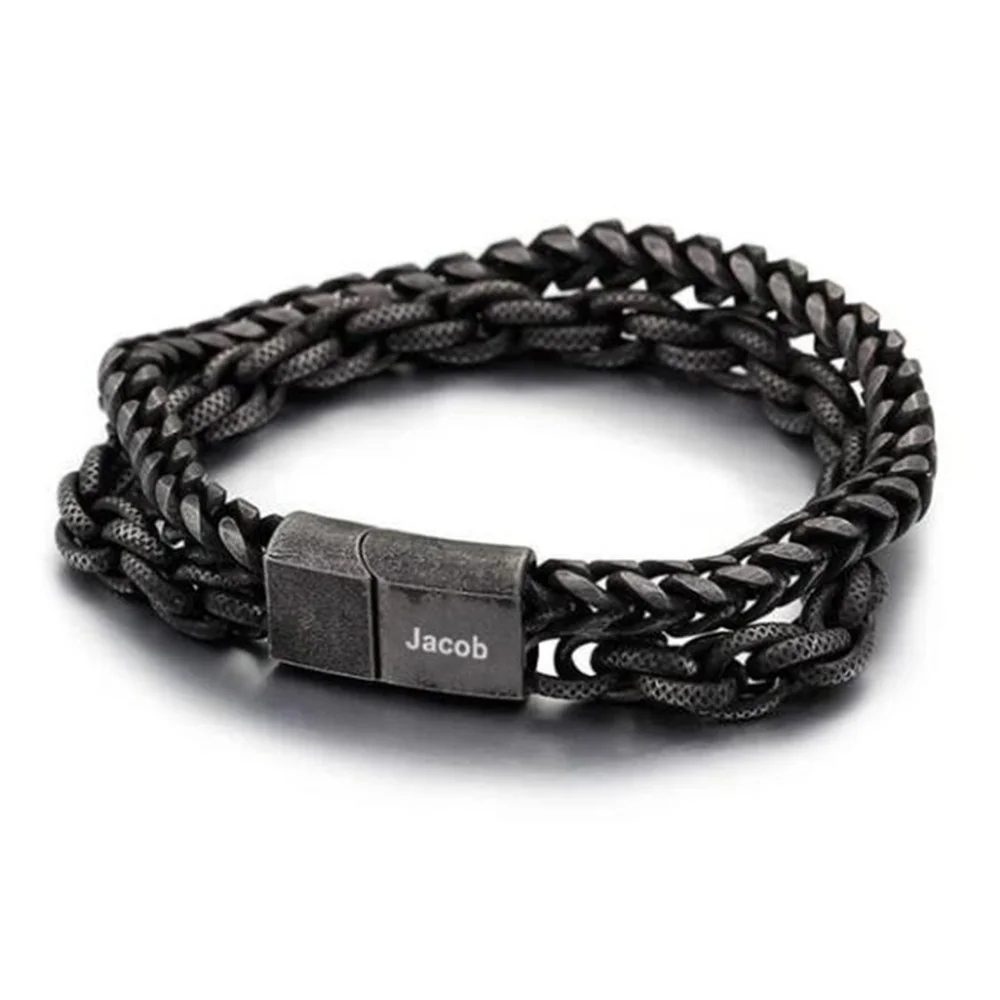
For the Double Chain, archived supplier figures identify separate chain and clasp widths. Those source statements need their own option check; neither figure is a rule for the maximum width a smaller wrist can wear.
Let preference choose the proportion
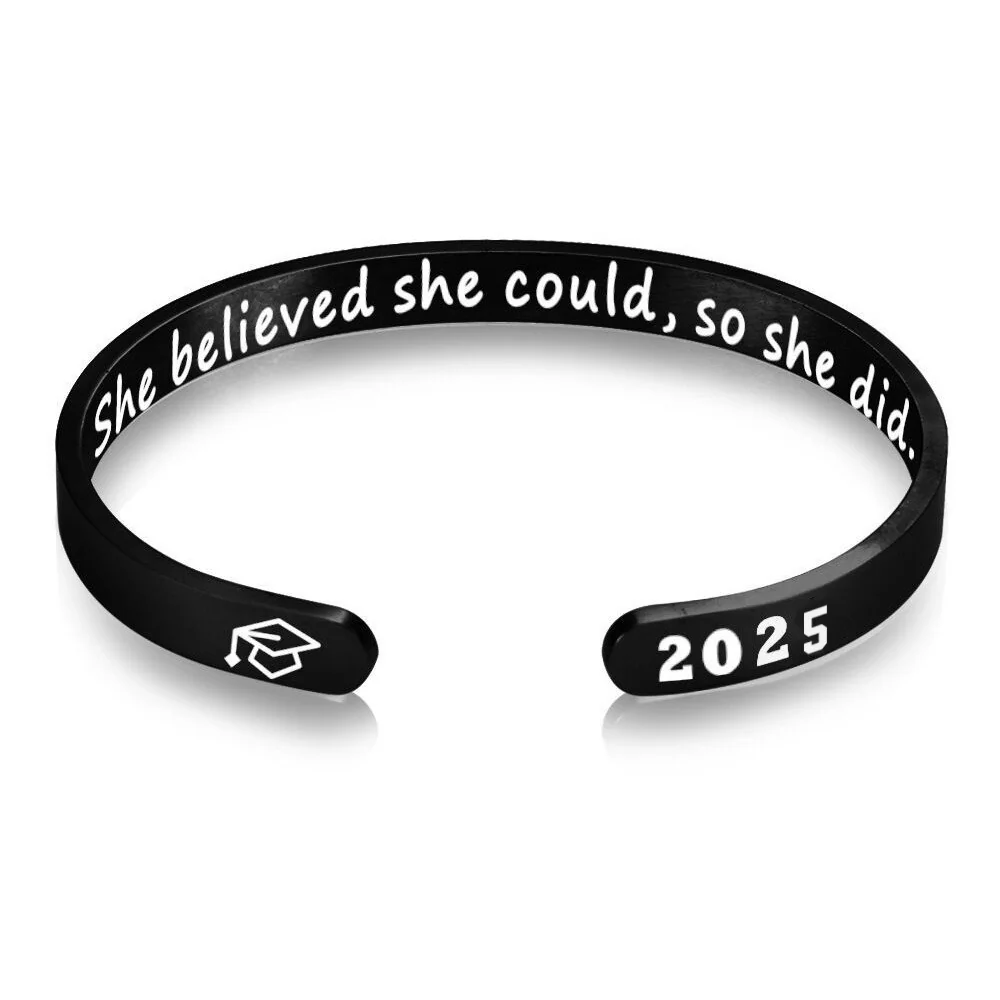
Use The Double Chain and The Open Cuff to discuss the outline. Ask whether the bracelet should be a strong focal point or a quieter line beside the sleeve.
Then request the intended wrist range and putting-on method. A narrow-looking design can still have unsuitable fit, while a wider one may be a deliberate visual preference. Keep both decisions visible instead of declaring one shape universally flattering.
Describe the proportion you actually want
A smaller wrist is a description of the wearer, not a complete styling instruction. Decide whether the bracelet should form a noticeable focal point or a restrained line beside the sleeve. Both are valid preferences. Write the goal in ordinary language before comparing dimensions, so the numbers serve a choice rather than impose one.
Identify which visible feature matters most: a broad clasp, narrow parallel strands, or a continuous cuff band. A single bracelet can have several relevant widths. If the clasp is the focus, a strand measurement alone may not answer the appearance question. If the band outline is the focus, record that separately from the joining component.
Measure a familiar comparison consistently
If you own an accessory whose visual scale you like, record the width of the specific part you are using as a reference. Include the unit, measurement method, and a short note about its role. Do not present the whole accessory as having one width when its components differ.
Ask for comparable measurements of the candidate's identified parts. Keep supplier-reported values attributed to their exact version and request approved specifications where missing. A resized photograph can help discuss an outline, but it cannot supply millimeters or show how the piece will fit around a particular wrist.
Make a same-conditions comparison
Use the same sleeve or outfit, similar viewing size, and the same stated visual goal for each candidate. Changing image scale can make one design appear disproportionately large or small. Compare the clasp to the clasp where that is relevant, and the continuous band to the intended band outline. Do not collapse unlike measurements into a ranking.
| Comparison field | Useful entry |
|---|---|
| Visual goal | Strong focal point or quieter outline |
| Reference component | The existing part whose scale you like |
| Reference measurement | Actual value, unit, and method |
| Candidate component | The equivalent or relevant part being compared |
| Candidate evidence | Approved or supplier-reported specification |
| Fit question | The separate wrist range and putting-on method |
The table does not prescribe an ideal width-to-wrist ratio. It records the wearer's own comparison and reveals which dimensions are still missing.
A fictional small-wrist preference
In this fictional editorial example, Riley has a smaller wrist and likes the broad outline of an existing accessory. Riley compares a linked bracelet reference with a continuous cuff reference, using the same shirt and the same desired focal-point role. Riley does not exclude the cuff simply because it looks wider.
The linked design raises separate questions about strand and clasp widths. The cuff raises questions about its continuous band and relevant end shape. Riley records the specific components instead of describing one candidate as small-wrist jewelry based on a photograph. Both candidates still need their own approved fit information.
Suppose Riley prefers the wider outline visually, but the confirmed wrist range does not suit the intended wearer. The style preference remains valid while that particular version is unsuitable. Another supported option may be considered, or the decision may be postponed. Choosing a narrower-looking reference without checking fit would not solve the original fit question.
Treat putting on the piece as part of fit
Ask for the approved operation for the intended construction as well as its wrist range. An open-looking shape does not establish that it can be bent or adjusted by the wearer. A narrow strand does not explain the closure. Do not modify a component to turn an appealing visual proportion into an assumed size solution.
Record the wearer's measurement with the required unit and method when those are supplied. Keep it distinct from the product size or wrist-range answer. These numbers describe different things and should not be substituted for one another in the brief.
Retain both decisions in the final comparison
The finished note should say which outline the wearer prefers and whether the particular option's fit has been confirmed. One can be settled while the other remains open. If an actual piece is available after individual requirements are resolved, the wearer can review its visual proportion with the intended sleeve without treating that observation as a universal recommendation for smaller wrists.
When revisiting the shortlist, compare the same identified components again and keep the measurement units visible. A new photograph should not replace a confirmed dimension, and a different visual preference should not be treated as a change in wrist size. Record which decision changed before selecting another candidate.