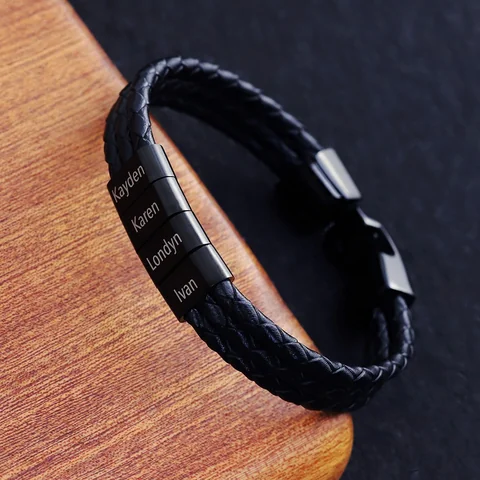
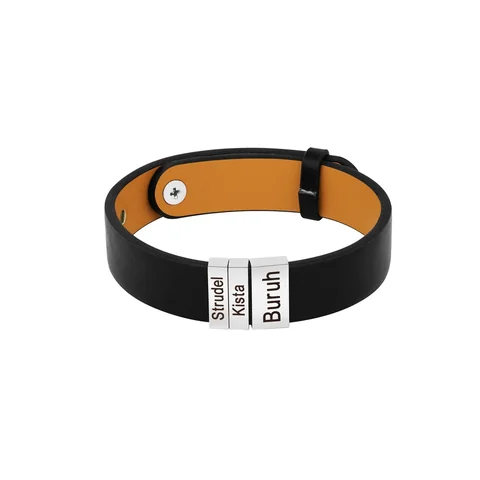
Include the exact product ID and option in each inquiry so a helpful reply cannot attach to the wrong design.
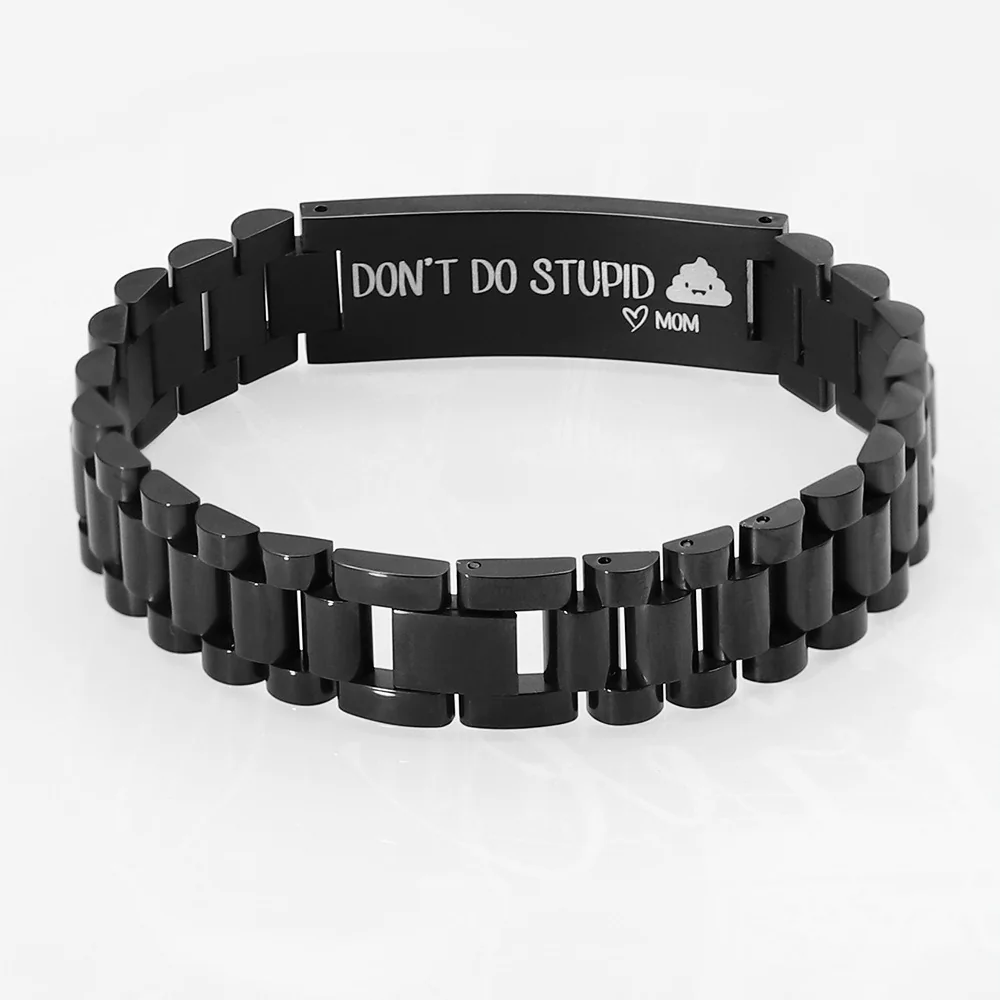
Use a subject line or opening block with product ID, public reference page, selected option, and current question. Attach a source image only when it identifies the relevant variant.
The Engraved ID, Engraved Chain, and Engraved Link have similar descriptive names but different panel and fastening references. “The black name bracelet” is not enough to identify one.
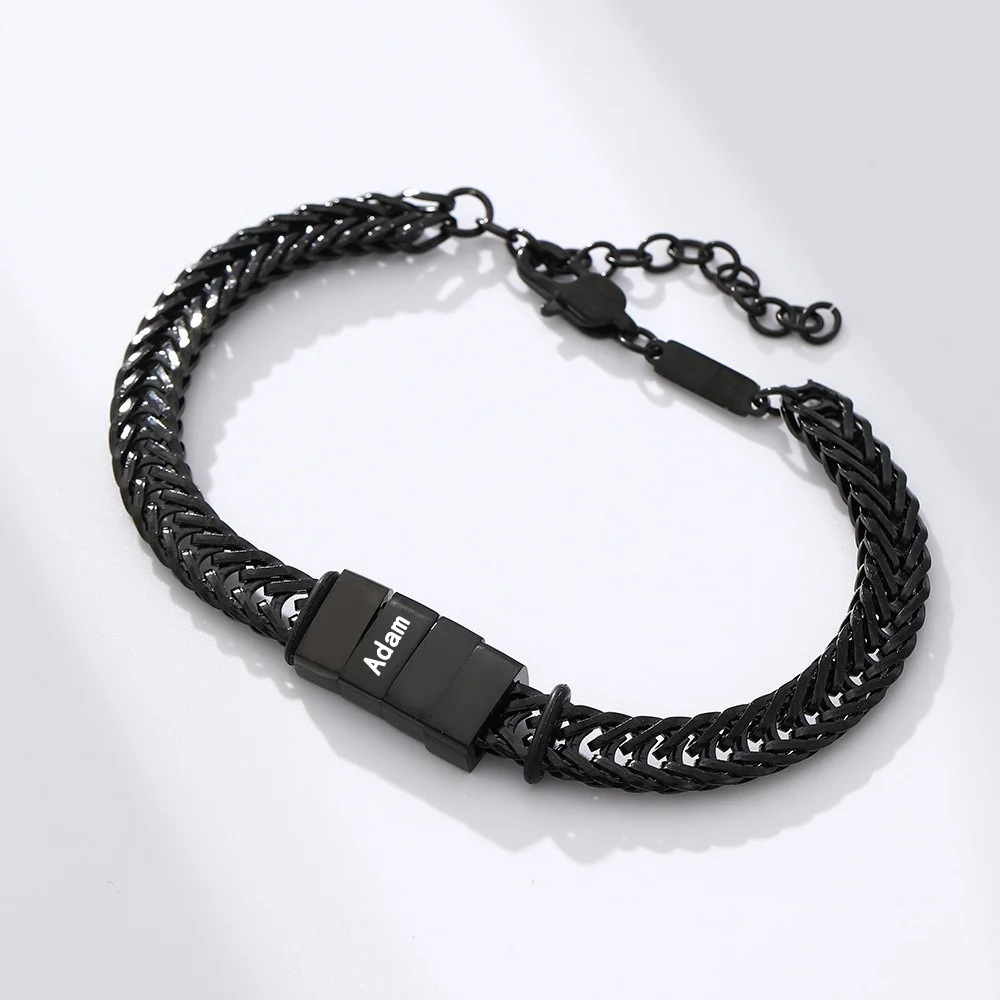
Ask one unresolved question at a time and preserve the reply with the complete context. If the respondent changes the variant, request the new ID or an explicit confirmation of identity.
Before using the reply in an article, check that its scope still matches the product being described. A precise answer for another item remains evidence for that other item, not permission to fill your missing field.
Create an identity block you can reuse accurately
Start with the exact product name and identifier, then the selected option wording as it appears in the record. Add the reference page and the date you saved that state. Do not substitute a shortened nickname such as “black chain” when several candidates share dark-looking details. The identity block should distinguish one assembly from the others without relying on memory.
Include which information you already have and which field remains unanswered. A dimension from a historical source can be labeled as source-reported, while the selected sales dimension stays unconfirmed. This prevents the person answering from assuming that the earlier value has already been approved. The question should preserve the evidence status along with the identity.
Keep personal text or an image filename in the block only when relevant to the current question. Use the checked string rather than a sample name from the gallery. Avoid including unrelated private details. A precise identification request needs the selected configuration and relevant content, not a full personal story or an unsupported assumption about how the piece will be made.
Give the question one defined target
Ask about one component, dimension, region, or capability in each numbered question. If several fields are missing, keep them separate rather than writing “please confirm everything.” A reply can then map to a specific field. This is particularly useful when a seller has many similarly named products and a general description would otherwise be easy to misinterpret.
For an image question, identify the source view and the feature it is meant to locate. Do not attach a photograph from another candidate merely because it shows the desired angle. An overview of the selected reference may be more useful than a close-up from the wrong assembly. If no relevant image is available, state that limitation in words.
Before sending, compare the identity block with the question body. A copied subject line can identify one product while the body names another. Check the product identifier, option, and image consistently. This simple review helps prevent an answer about an Engraved Chain configuration from being stored under an Engraved ID panel question.
A hypothetical inquiry format
In a fictional editorial example, Drew is comparing two dark bracelet references and needs the supported text region for one of them. Drew's message identifies the Engraved ID reference, repeats its saved selected-option wording, and asks specifically which panel surface supports the proposed string. Drew labels the exact string separately from the source's example phrase.
Drew receives a response mentioning an extension arrangement associated with a different reference. Rather than extracting a useful-looking sentence, Drew asks whether the response concerns the original product identifier or a different suggested product. If a different product is intended, Drew requests its identity and opens a separate comparison record. The first question remains unanswered.
This example does not report an actual seller exchange or establish a particular engraving region. It shows how identity checking preserves the value of a detailed answer. A response can be precise and still attach to the wrong candidate. Correcting that mismatch is necessary before using its dimensions or instructions.
Store the answer with the question it resolved
Retain the original identity block, complete question, answer, and any attachment together. Mark the field the answer actually addresses and the parts it leaves open. If the respondent answers about one component, record that component scope. Do not summarize the response as complete-product confirmation simply because it used the correct product name.
If the selected option changes, create a new identity block and check whether the prior answer remains applicable. Keep the earlier reply unchanged under its original configuration. Similar color or the same general name is not enough to transfer it. A change to a closure, name-element count, or region can affect the question being asked.
For several candidates, maintain one short index linking each product identifier to its current unanswered fields and relevant exchanges. That index is more useful than a folder of messages titled “bracelet reply.” It lets you find the correct source before preparing a comparison or forwarding a summary to another person.
The finished inquiry record should make it possible to answer three questions quickly: which selected assembly, which exact issue, and which response covers it. Where identity is uncertain, keep the field pending. This gives a supplier question a concrete target and prevents accurate information about one design from becoming an unsupported fact about another similarly named bracelet.