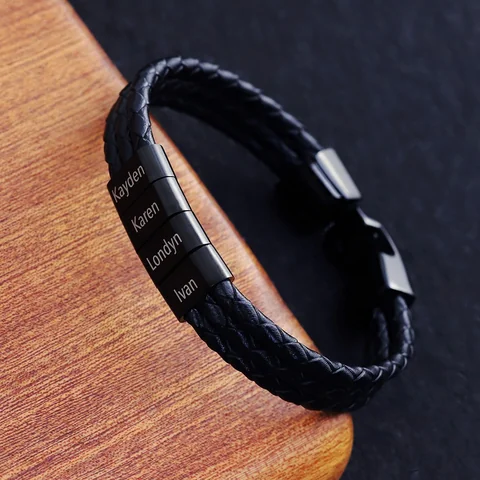
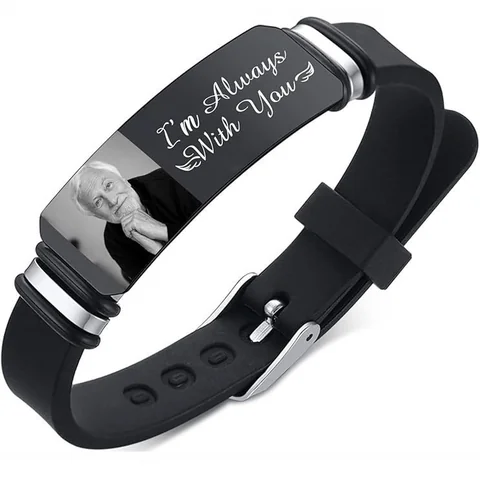
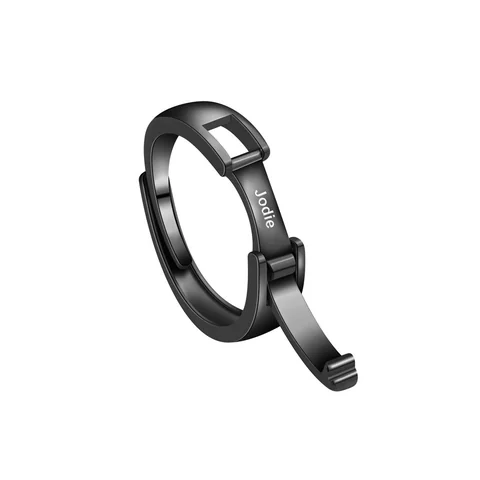
Connect mixed colors with one repeated detail rather than trying to make every piece match. A shape, a short word, or the distribution of dark accents can provide a visual link.
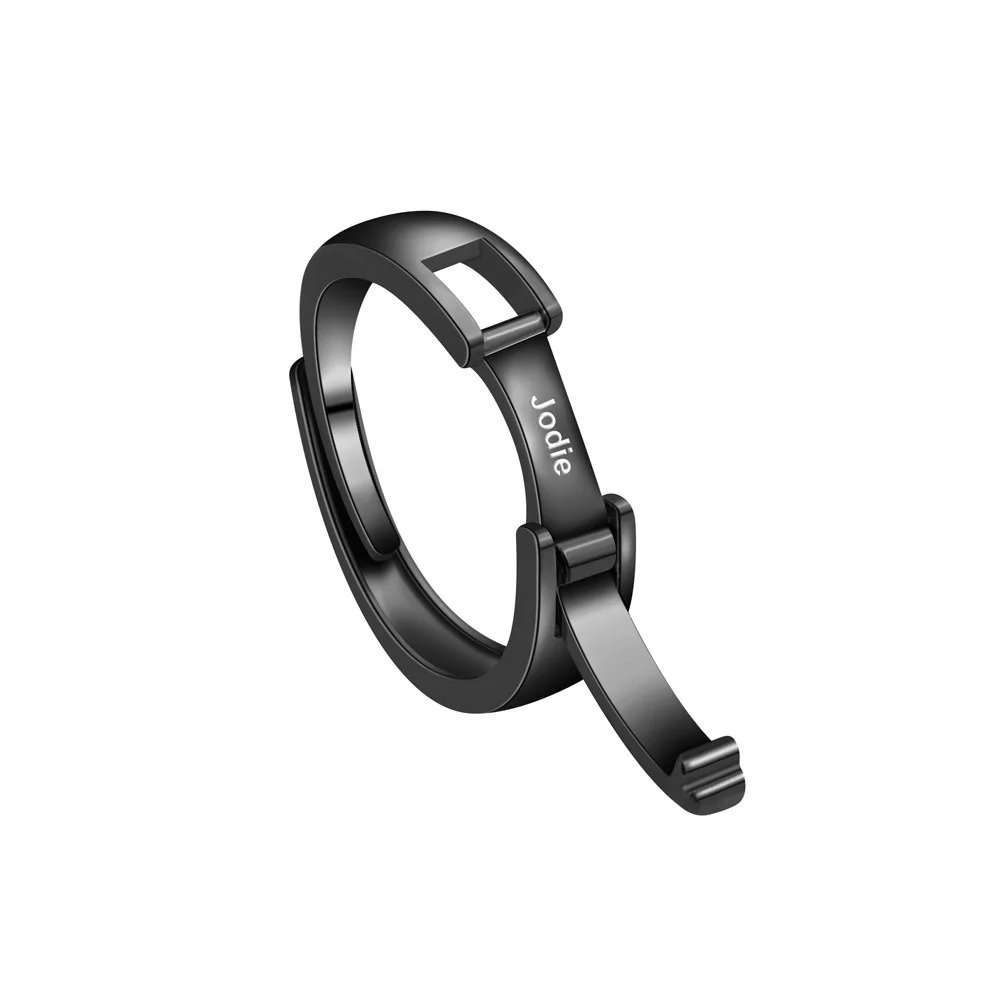
Choose one link between the pieces
For an original styling plan, use a dark ring and a silver-colored pendant with a shared straight edge or repeated text detail. Alternatively, repeat dark accents in the watch strap while leaving the pendant as the brighter feature.
These are visual choices. “Silver-colored” does not establish silver composition, and a dark finish does not establish a matching treatment across pieces.
Compare with the clothes already present
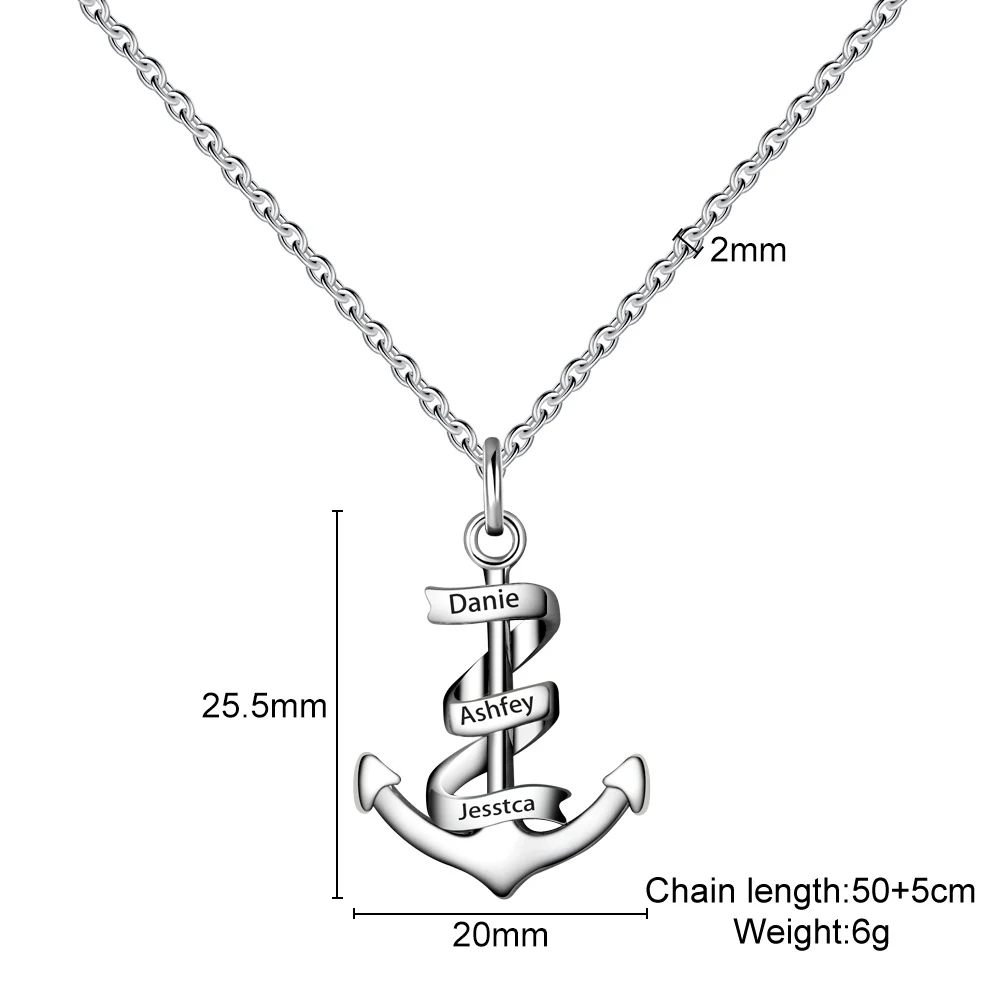
Place The Name Ring and The Anchor Necklace references beside one familiar shirt. Ask whether the accessories look connected and which detail draws attention first. Change one piece in the plan if the result feels busy.
Exact finished shades may differ from screen images. Confirm the intended options and use the actual pieces for the final visual judgment. There is no requirement to match every metal-like color or claim a universal rule about combining them.
Inventory the colors already in the outfit
Start with the accessories and clothing you actually use. Note the visible colors of a watch strap, belt buckle, bag detail, or glasses frame. Describe these as appearances rather than material specifications. A silver-colored buckle can be a useful visual reference even when its composition is unknown and irrelevant to this styling decision.
Choose one outfit for the first comparison. If you compare every item in your wardrobe at once, a small linking detail can be lost among unrelated combinations. The goal is to find one repeatable visual connection, then consider whether it also works with another familiar outfit.
Choose the repeated detail deliberately
A dark accent can connect the ring with a strap; an angular outline can connect a ring top with another accessory; a repeated word can link different jewelry forms. These are separate strategies. Select one as the main connection instead of adding all three automatically. The pieces do not need identical colors to serve the chosen role.
Write the connection in a short sentence. “Repeat the dark accent from the watch strap” gives the arrangement a specific purpose. “Make everything match” does not explain which feature matters or which differences are acceptable. This sentence can guide later editing when a pendant or bracelet is added to the plan.
Compare one change at a time
Place the ring reference beside the chosen outfit and existing accessory. Then introduce one other jewelry reference. Ask whether the repeated detail remains visible and which item becomes the focal point. Keep the same background and viewing size so the comparison does not depend on one image being enlarged more than another.
Cover the new reference and ask what disappears from the arrangement. If its role is unclear, reconsider it before adding another item. This is a visual editing exercise rather than proof of the finished shade, fit, or comfort. Screen images can communicate a proposal while the exact options remain to be confirmed.
A fictional mixed-color plan
In this fictional editorial example, Alex wears a dark watch strap and likes a silver-colored anchor outline. Alex considers a dark name ring as the repeated accent while leaving the pendant as the brighter feature. The plan connects the ring to the strap and gives the pendant a distinct job.
A second proposal adds a dark bracelet with a prominent personalized area. Alex notices that the bracelet competes with the ring rather than strengthening the original connection. Alex keeps the bracelet out of this outfit plan. Another wearer might prefer that repetition, but it would be a different intentional arrangement.
None of these choices identifies the composition of the pendant or proves identical dark treatments on the ring and watch. The record concerns visible relationships, with individual specifications still required for the jewelry.
Keep the options separate from the color words
| Visual record | Specification question |
|---|---|
| Dark accent wanted | Which exact option provides the intended appearance? |
| Brighter pendant wanted | What is the approved option description? |
| Shared angular outline | What are the actual relevant dimensions? |
| Repeated text | Is the exact string supported in each intended region? |
| Final visual combination | How do the actual selected pieces appear together? |
The left column can be decided during styling. The right column needs product-specific information. Do not turn a dark appearance into a statement about coating type or transfer a size requirement between a ring and necklace because they belong in the same outfit.
Review the actual shades when available
After individual fit and option details are settled, compare the actual pieces with the outfit. Record whether the connection still works under ordinary viewing conditions. If a shade differs from the screen reference, decide whether that difference matters to the plan. There is no need to call it a material defect solely because the visual pairing changes.
Save the selected outfit, repeated detail, and leading accessory in the styling note. This gives you a starting arrangement you can reuse or revise without inventing a rule about mixing every metal-like color. The meaningful result is a chosen visual connection with the remaining product questions clearly separated.