Read the terms that apply to the exact personalized option. A general promise on another product or an old screenshot may not answer the question you need resolved.
Save the scope with the policy
Record the policy URL or document, date, named seller, applicable product and option, and any stated distinction between standard and personalized pieces. Identify the wording that addresses an incorrect brief, a manufacturing discrepancy, a fit issue, and a change of mind.
Do not assume these cases share one process. If a condition is not covered clearly, ask the seller to identify the relevant term.
Ask before relying on a remedy
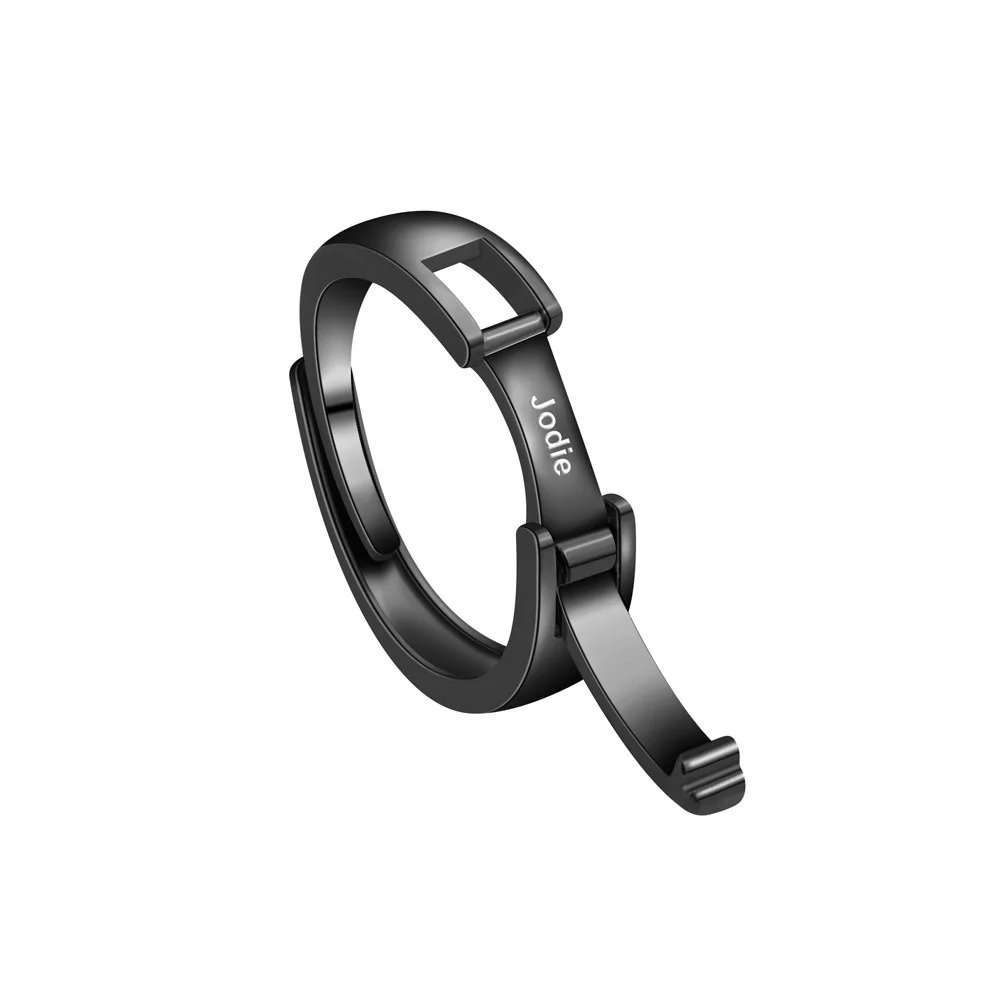
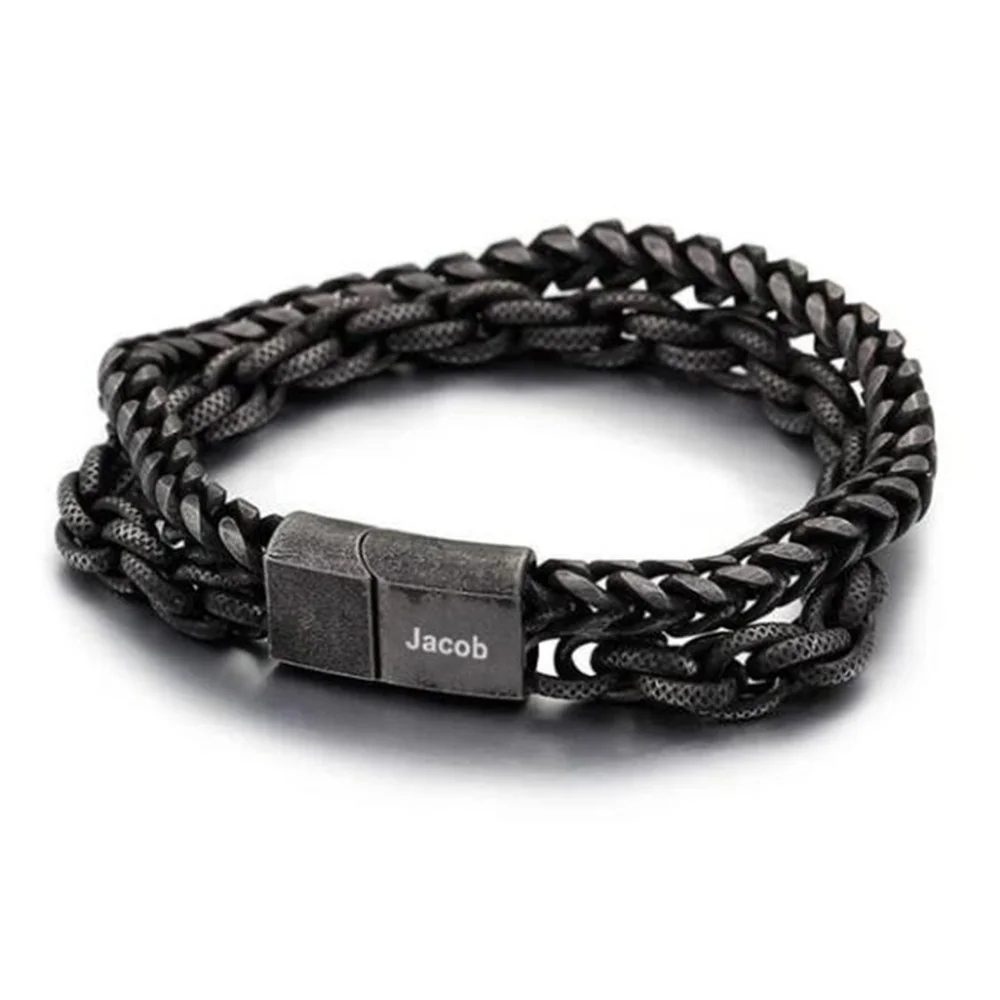
For The Name Ring or The Double Chain, keep the confirmed policy and final brief together. These source records do not supply an approved personalized-option return or resizing policy. Check the current published terms and ask about the exact selected version before relying on either service.
This checklist helps you read the seller's stated terms; it is not a legal determination of your rights. Resolve the exact applicable policy before promising the recipient that a size or inscription can be exchanged later.
Identify the policy document before reading the outcome
Save the seller identity, policy location, review date, and exact product option you are considering. If several documents or statements appear relevant, list them separately rather than combining their most favorable sentences. The applicable scope must be clear before a return or change process is relied on.
Keep an old policy image as historical information when its current application is unconfirmed. A recent reply should identify whether it describes the active terms for your intended option. This record is a practical reading aid, not a determination of legal rights or a substitute for applicable advice.
Classify the situation accurately
Distinguish a change of mind, text supplied incorrectly by the buyer, a result that differs from the approved brief, a fit problem, and an observed condition on arrival. These descriptions help locate the relevant stated terms. Do not assume that all situations use the same remedy or reporting process.
| Situation | Information useful for reading the terms |
|---|---|
| Change of mind | Whether the exact personalized option is addressed |
| Incorrect submitted text | The supplied string and the applicable correction stage |
| Difference from approved brief | The active proof and observed difference |
| Fit concern | The selected size and measurement instructions used |
| Arrival condition | The condition record and relevant reporting requirement |
The table does not assign responsibility or promise a remedy. It identifies what the stated policy would need to cover. If a category is missing, mark it unresolved and ask the seller which term applies.
Read the conditions as carefully as the headline
A broad heading can leave the actual process unclear. Look for the product scope, stated timing, required evidence, method of contacting the seller, and any condition about returning the item. Record the wording rather than replacing it with a general statement such as returns accepted.
If the policy mentions standard pieces separately from personalized ones, preserve that distinction. If it refers to an option you are not considering, do not apply it by analogy. The current references do not establish a personalized-ring resizing or return service, so such a promise cannot be inserted into a gift description.
A fictional policy-reading exercise
In this fictional editorial example, Morgan wants a name ring and is concerned about choosing the wrong size. Morgan saves the applicable information available for the intended option and looks for a stated fit-related process. A general message about satisfaction does not identify resizing or exchange for that piece.
Morgan asks the seller to identify the exact term that addresses a fit concern for the personalized version. If the answer does not supply a relevant process, Morgan records it as unresolved and avoids telling the recipient that the size can be changed later. Morgan can postpone the decision or resolve fit before selecting the piece.
Another fictional case concerns a name that differs from the active proof. The relevant comparison is the approved string and the finished result, rather than a general change-of-mind request. The example illustrates why the cases should remain separate and supplies no legal or commercial outcome.
Preserve the brief with the terms
Keep the exact approved text, selected option, fit record, and proof version alongside the policy record. If a later question arises, those materials identify what was intended without reconstructing several messages. Do not overwrite the earlier proof when requesting a correction; mark each version clearly.
If the seller requires a particular reporting step, clarify the approved channel and information needed before relying on it. A draft message can describe an observed difference accurately without assuming a specific replacement, refund, or repair entitlement.
Produce a pre-decision terms summary
Write which situations are covered by supplied terms, which process is stated, and what remains missing. Include the source and date so a later reader can check applicability. Avoid summarizing an unresolved policy as no returns or guaranteed exchange; neither follows from silence.
The useful output is a scope-aware terms record linked to one exact brief. It supports an informed question before committing to personalization, while leaving legal interpretation and any unconfirmed seller remedy outside the article's claims.