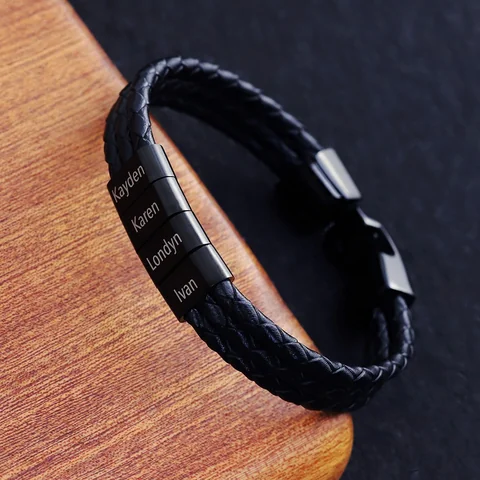
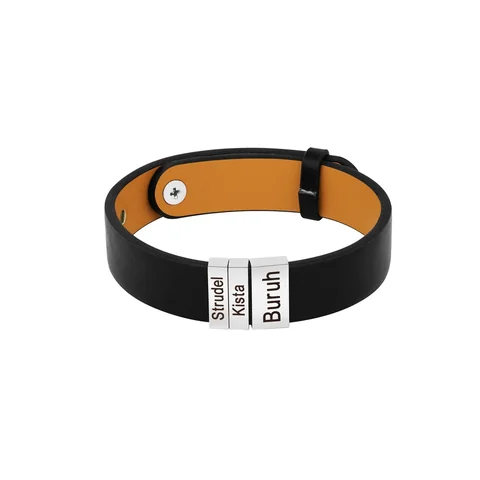
Choose the name the wearer wants to see, not the version that is easiest to fit. A nickname can be more personal, but only when the person actually accepts it.
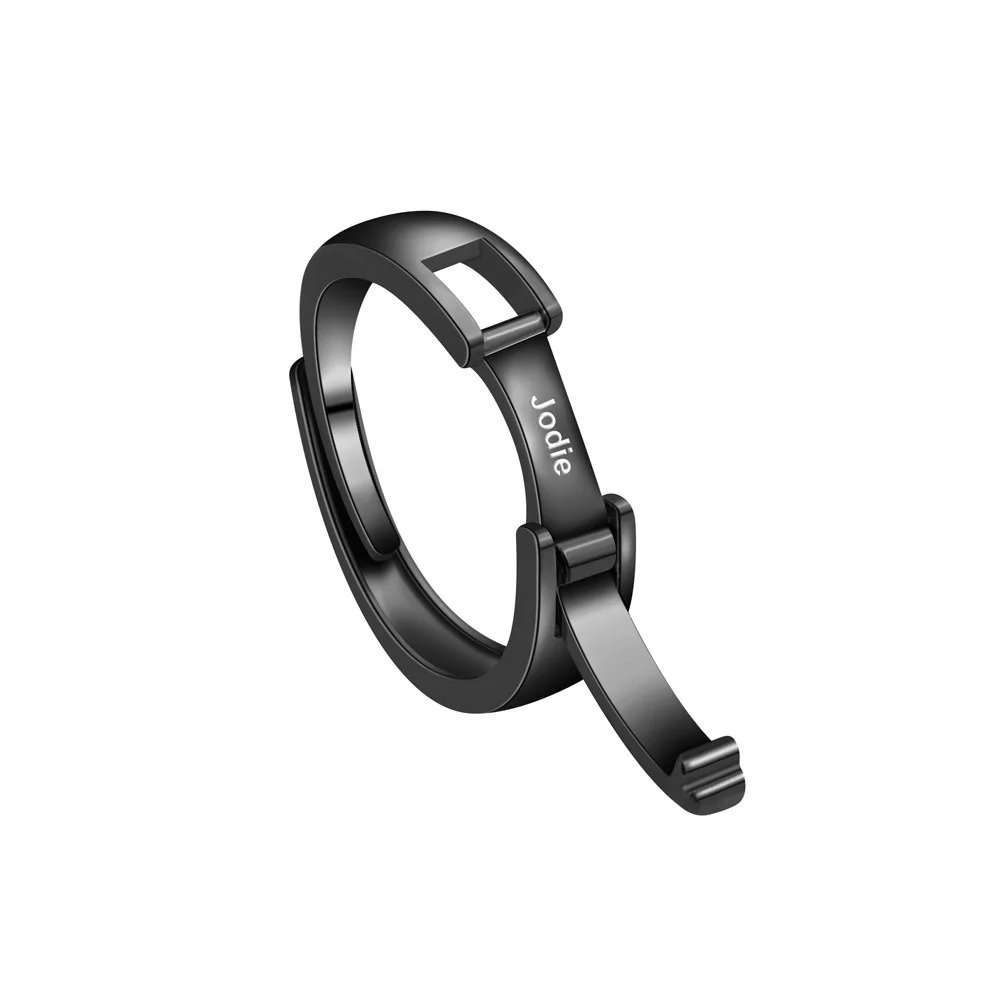
For a fictional person called Benjamin who uses Ben, write both versions beside the brief. Ask: “Which would you like on the piece: Benjamin, Ben, or another version?” Keep that question separate from the manufacturer’s text allowance.
Resolve the name before the layout
Do not use a childhood nickname without asking whether it is still welcome. Do not replace a preferred nickname with a formal name to make the gift sound more significant.
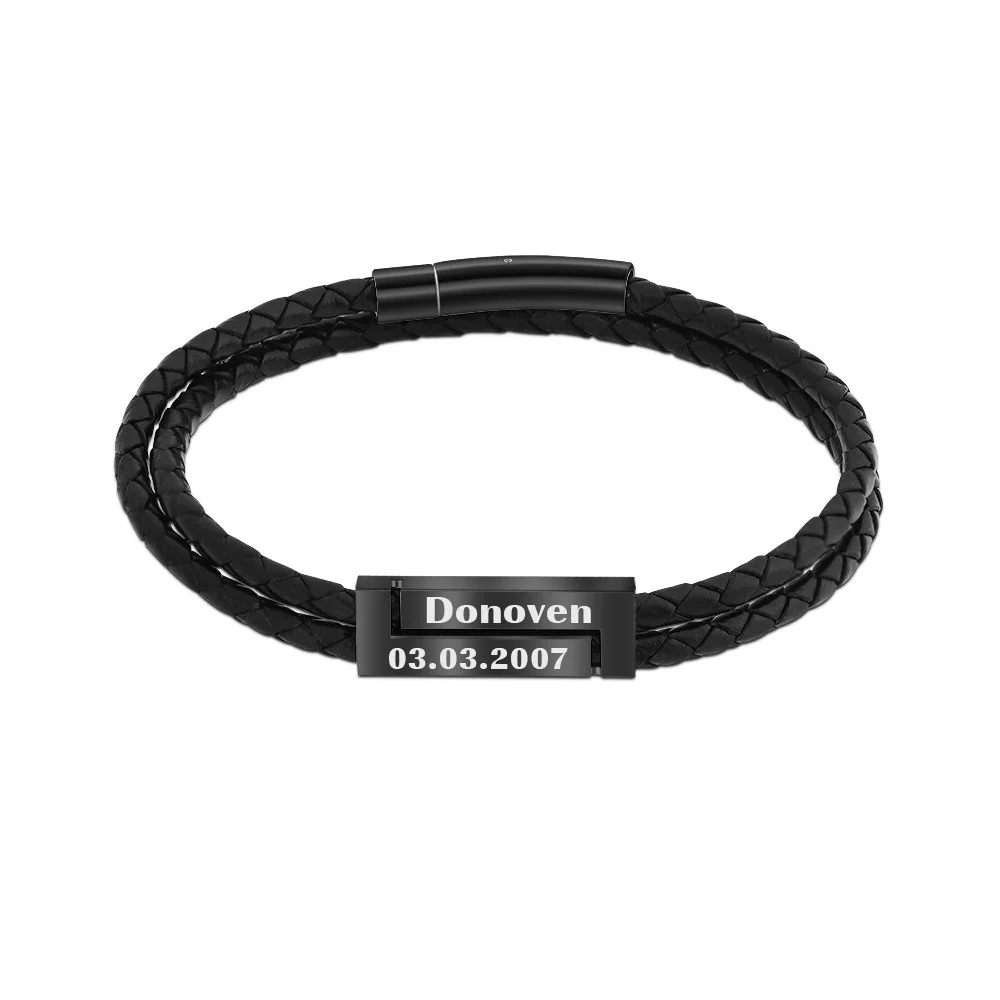
For The Name Ring or The Name Cord Bracelet, request the usable region after the exact version is settled. The Engraved Cord Bracelet offers another region shape and needs its own answer.
If the preferred name is unsupported, discuss another layout before shortening it. The final string should reflect the wearer's identity choice, while the production brief records the method and space that can actually reproduce it.
Ask a small question with room for another answer
Give the wearer the actual alternatives without implying that one is more grown-up, more romantic, or easier to manufacture. “Would you prefer Benjamin, Ben, or another form?” leaves the identity decision open. Asking “Ben is shorter, so that is better, right?” mixes the name preference with an unconfirmed space constraint. Establish the name the person wants first, then investigate whether the selected region can support it.
A name used in one setting may not be welcome everywhere. Someone might use a nickname with close friends while preferring the full name at work, or enjoy a shortened form in conversation while disliking it on an object. Ask about the inscription specifically. The frequency with which a giver uses a nickname is evidence of the giver's habit, not confirmation of the wearer's preference.
Keep the approval record simple
Save one exact chosen string, including capitalization and any punctuation. If the wearer says “Ben, with a capital B,” record that rather than leaving a list of alternatives in the final field. Keep the other candidates in a separate draft note. A maker receiving several name forms should not have to infer which one represents the final decision.
For the fictional Benjamin example, the draft record might include “Benjamin: formal name,” “Ben: current everyday preference,” and “Benny: childhood nickname, not approved.” These notes explain why the final choice is Ben without requiring the private family history to appear on the ring. If the wearer chooses the full name instead, update the final string and leave the planning notes as context rather than a competing instruction.
Handle a surprise without using old information as permission
If asking directly would spoil the surprise, use only information the wearer has clearly supplied for comparable personal items. A name on a current bag or personal profile may be a clue, but it can still be context-specific. If the preference remains uncertain, consider an inquiry that leaves the inscription unresolved. Do not ask a third person to invent a nickname simply because the ring sample uses a short first name.
Another option is to give the wearer a choice as part of the gift planning. That preserves the personal decision and can still leave the design or occasion as a surprise. If the recipient wants no name on the piece, treat that as a valid answer. A gift does not become less thoughtful because the wearer prefers a plain object or a message on a card.
Review how the name will look without rewriting it
Once the name is chosen, ask for its supported region and proposed lettering. Consider whether the capitalization preserves the intended identity and whether the proof is readable as the chosen name. If the maker offers different layouts, compare those layouts using the same text. Changing Benjamin to Ben inside one proposal changes the identity choice as well as the layout, so it needs a fresh wearer decision.
The fictional names illustrate a common distinction: a shorter string may be visually simpler in a planning sketch, but no current allowance is established by that observation. Do not estimate the ring's limit from the Jodie sample. Ask whether the chosen string is supported for the selected option and process. The Name Cord Bracelet's name-and-date image cannot supply a ring's region or count rule either.
Decide what to do if the preferred form is unsupported
There are several meaningful responses to an unsupported request. You can investigate a different confirmed region or design, remove a surrounding phrase, or ask the wearer whether another name form is acceptable. These choices have different consequences. Removing “Love you” from around Benjamin preserves the approved identity. Replacing Benjamin with B changes the identity information and requires explicit agreement.
If a nickname is approved as a fallback, state when it may be used. A note such as “Ben is an alternative only if Benjamin is unsupported; show a separate proof before any change” prevents the fallback from becoming an automatic substitution. The final review should contain one selected product, one exact name, and one current proof. That record gives the personal choice a clear place alongside the unresolved manufacturing questions.