Match the cloth instructions to the ring’s confirmed material and surface treatment. The word “jewelry” on a cloth package does not establish compatibility with every piece.
Read two sets of instructions
Read the cloth label for any cleaning or polishing treatment, intended materials, and exclusions. Separately obtain care instructions for the exact ring. Compare the two before using the cloth.
If the label is missing or the ring’s material is unknown, do not fill in the gap from appearance. A plain-looking cloth can still have a purpose or treatment that needs identification.
Ask a specific compatibility question
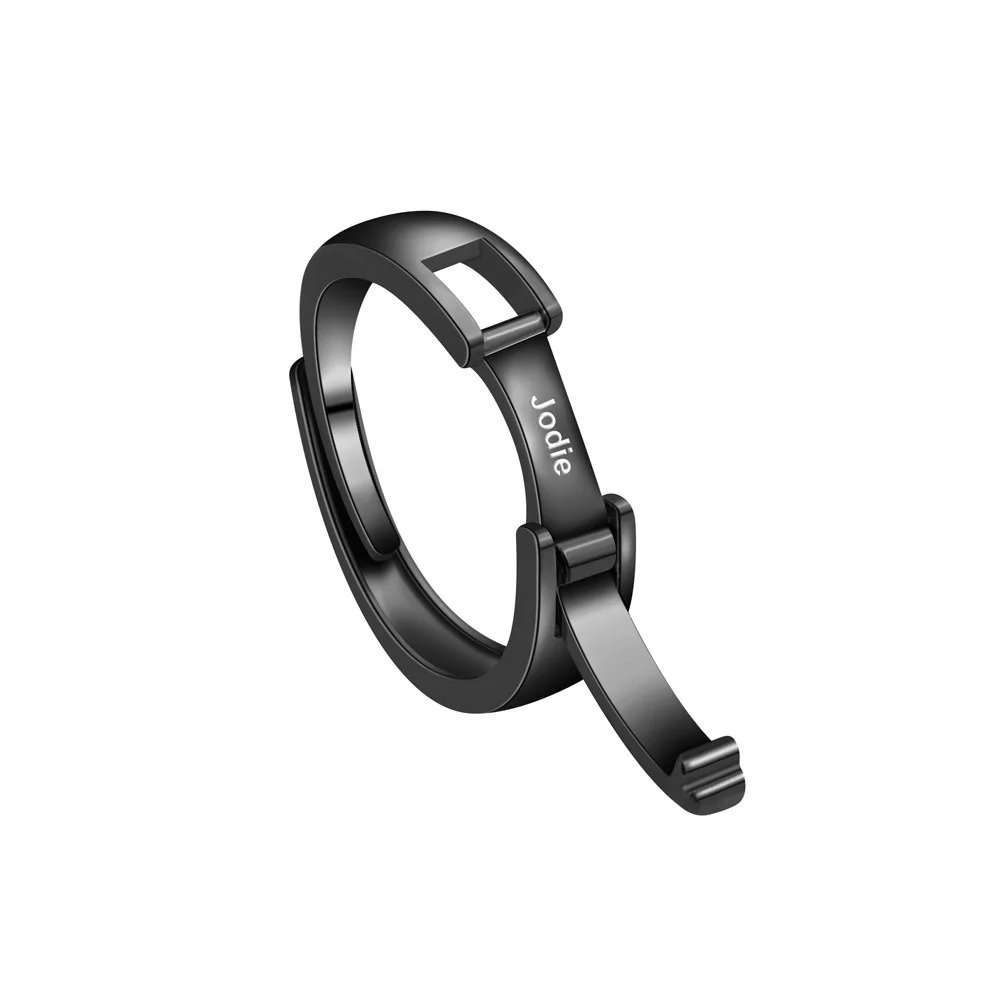
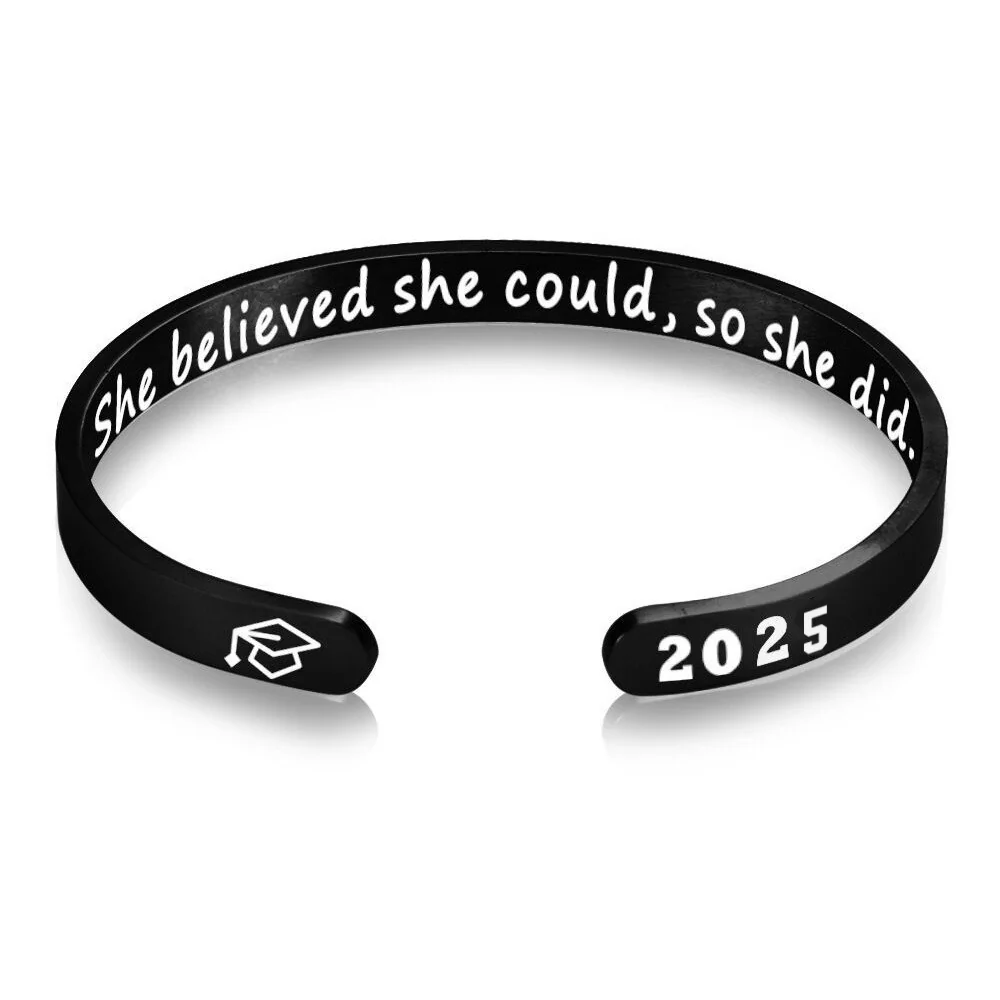
For The Name Ring or The Open Cuff, give the seller the cloth's exact name and instructions. Ask whether it is approved for the selected option and inscription area.
The current material and care records do not support a universal cloth recommendation. If the answer is generic, ask which component and treatment it covers. Keep the resulting instructions with the cloth so a later change of product or option prompts another check.
Identify the cloth before considering its use
Keep the cloth's packaging or product instructions available. Record its exact name and whether the label describes cleaning, polishing, wiping, or another purpose. If you have only an unlabeled cloth, do not assume it is untreated because it looks plain. Its appearance is not a complete product description.
A cloth received with another accessory should remain linked to that accessory's instructions until compatibility with this piece is established. The fact that it was supplied for jewelry does not explain whether it applies to a dark finish, inscription, or mixed construction. You can ask the supplier to identify it before attempting a treatment.
Record the ring information independently
The ring record should identify the exact option, any attributed material and treatment description, and the approved care instructions if available. Keep unknown fields visible. Do not use the cloth's list of intended materials to decide what the ring must be made from. Compatibility requires information about both items.
If the ring's specification is supplier-reported rather than independently confirmed, retain that distinction when asking the compatibility question. A care answer should refer to the actual selected version. A general answer about metal jewelry is not enough to resolve an unidentified finish or personalized area.
Compare the instructions side by side
| Comparison field | Cloth record | Ring record |
|---|---|---|
| Identity | Exact product name | Exact piece and option |
| Intended use | Label's stated purpose | Approved care task |
| Material scope | Materials explicitly named | Components actually identified |
| Restrictions | Exclusions and cautions stated | Product-specific limits |
| Missing information | Unclear treatment or label | Unconfirmed finish or method |
Leave the comparison unresolved if one side is missing. A product that lists a metal name still needs to be matched to the ring's actual construction and applicable instructions. Do not invent a compatibility result by finding one shared word while ignoring the remaining limitations.
Ask about the area that would be touched
Explain whether you intend to address the whole surface, the inscription region, or a specific mark. The answer should identify which areas it covers. A reply about a plain surface may not answer the personalized-area question. If the task is really assessment of a new mark, provide a condition record before deciding that a polishing product is needed.
Do not choose pressure, duration, repeated passes, or a hidden-area experiment from a generic suggestion. Those would be treatment instructions requiring an applicable basis. Until the method is confirmed, this exercise is label comparison and preparation, rather than a procedure for using the cloth.
A fictional cloth-compatibility inquiry
In this fictional editorial example, Dana finds a cloth stored with an older accessory and wants to use it on a dark name ring. The cloth's label refers to a particular cleaning purpose, while the ring's surface treatment remains unconfirmed. Dana records the two facts and asks the ring supplier whether that exact product is approved for the selected option and inscription area.
The reply says only that jewelry can be cleaned with a cloth. Dana follows up because the actual cloth and finish remain unanswered. If the supplier cannot identify the relevant compatibility, Dana leaves the ring unchanged and retains the cloth with its own original instructions. The example does not conclude that the cloth is harmful or safe; it shows why the available answer is insufficient.
Prevent later mix-ups
Once an applicable answer is obtained, keep its date, scope, and product identity with the cloth or care record. If you change the cleaning product, ring version, or component, revisit the comparison rather than reusing a broad approval. A treatment approved for one combination should not silently become approval for every accessory in the drawer.
Avoid labeling a pouch “safe for all jewelry” based on one answer. A more useful label identifies the exact product and the piece it is associated with. This preserves the relationship that actually supports the decision.
Know what the completed check establishes
A completed compatibility check identifies the ring, the cloth, the approved task, and its limitations. It does not prove the ring's long-term durability or guarantee removal of every mark. If the question remains open, the useful result is a precise request with the relevant labels attached. That preparation allows a seller or qualified assessor to address the actual combination without relying on the color of the piece or the general word jewelry.