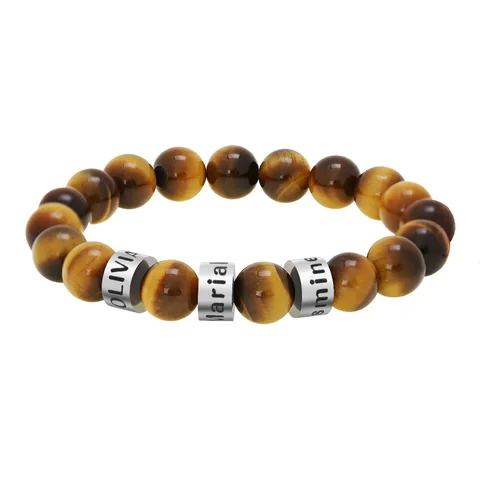
Pack the ring, bracelet, and necklace separately so their surfaces are not resting against one another. Keep the identifying information with each piece rather than relying on a pile of similar pouches.
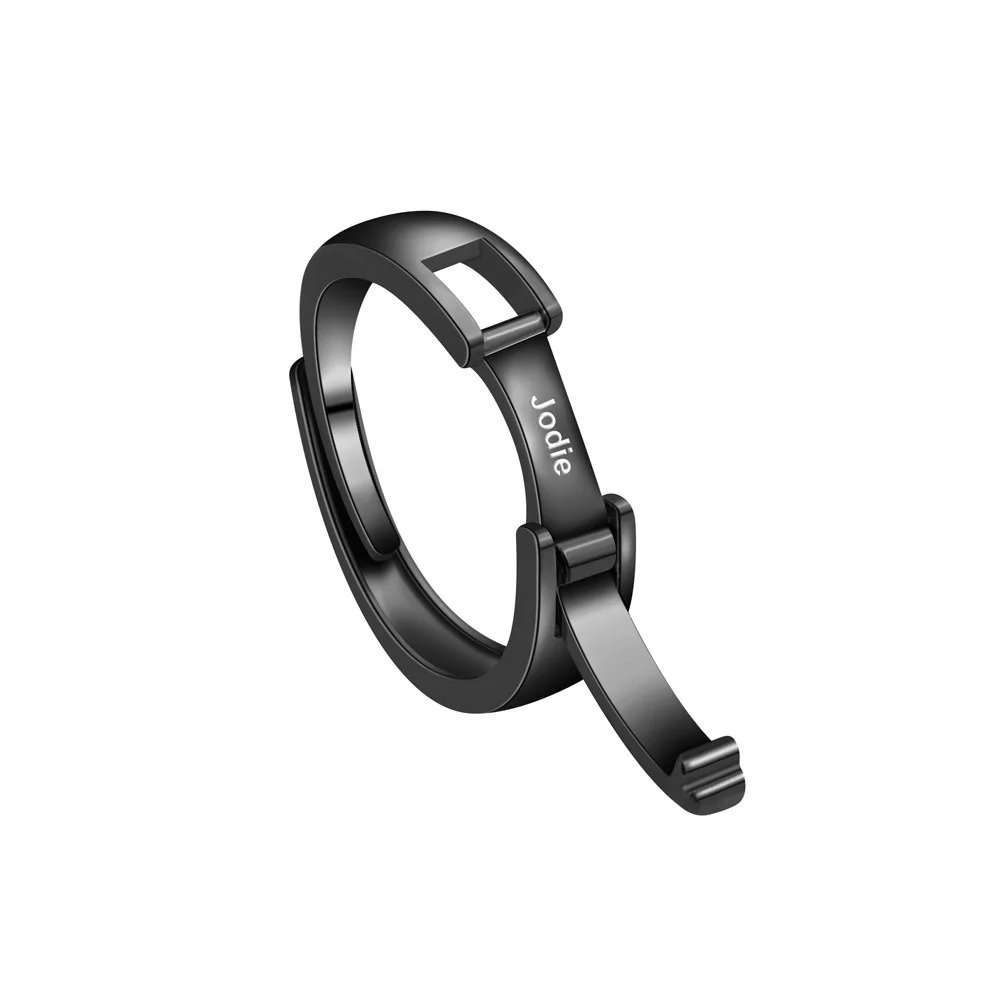
Make a small packing record
List the piece, its assigned compartment, and its confirmed care instructions. Photograph the packed arrangement for your own reference if useful, avoiding public display of a private inscription.
Leave room so a closure or pendant does not press against another piece. If a necklace requires a particular storage method, follow its own instructions; do not force it into a bracelet arrangement.
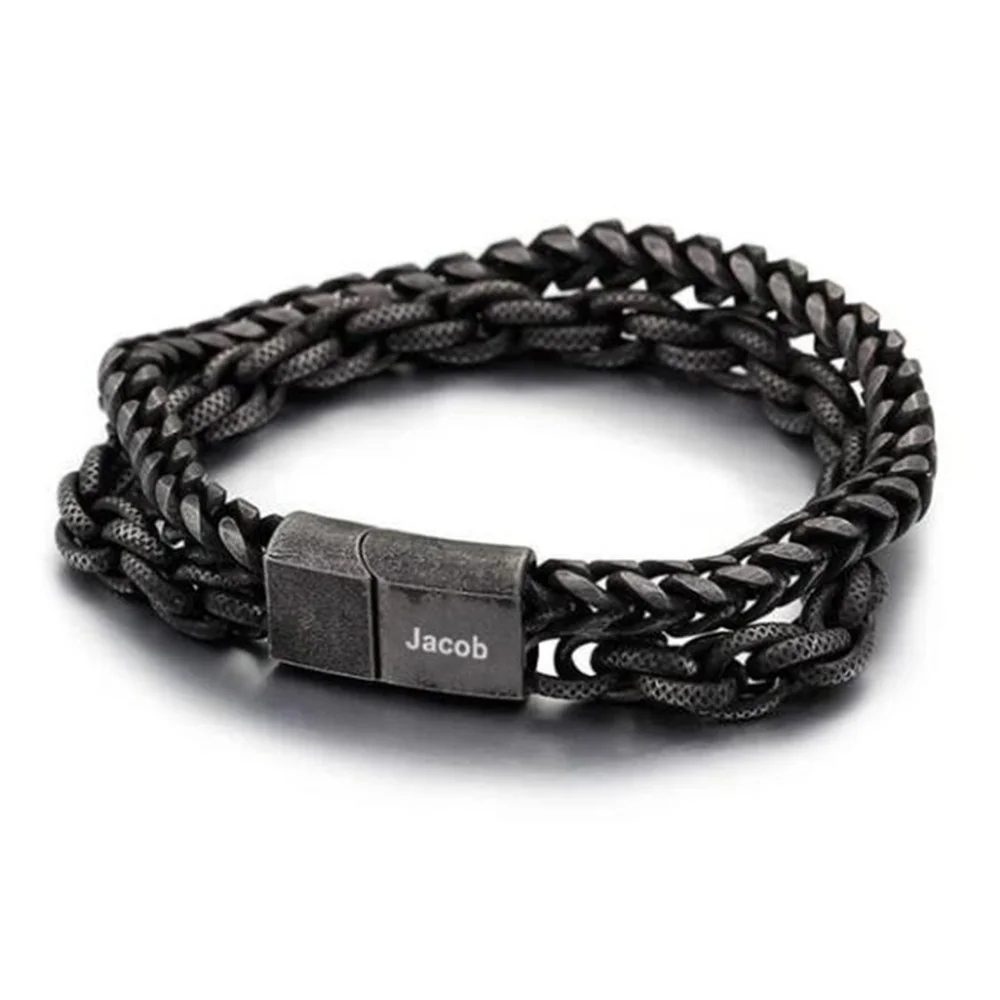
Check the pieces when the packing changes
If you remove one accessory during the trip, return it to its assigned space. Check whether movement has brought two pieces together and revise the arrangement if needed.
For The Name Ring and The Double Chain, material-specific storage requirements are not yet approved. This packing plan addresses organization and separation, without promising protection against theft, tarnish, or every kind of damage. Keep any special storage question tied to the exact option.
Inventory the pieces before packing
Make a short list of what will travel: each ring, bracelet, pendant, and any separate accessory you intend to bring. Give each a neutral identifier and record its usual storage place. A photograph can help you recognize the packed arrangement, but keep it private if it reveals a personal inscription or other sensitive detail.
Check the current condition before assigning spaces. If a closure is behaving differently or a piece has a new mark, that issue deserves assessment rather than being hidden inside a pouch. This inventory is an organization record, not a valuation, an insurance statement, or a guarantee that every piece is suitable for travel.
Choose a layout you can inspect
Use distinct spaces that let you identify each piece without emptying everything into a pile. Allow for the actual shapes rather than forcing a pendant, ring, and bracelet into identical arrangements. A projecting detail or a broad clasp may determine the space needed. Material-specific lining or storage requirements should follow the confirmed instructions for that piece.
Avoid packing a necklace in a way that depends on an unapproved disassembly. If you need to open a closure, use its supplied operating instructions. If the method is unknown, resolve that question before treating the accessory as ready to pack. Organization should not create a new construction or repair task.
Record where each piece goes
| Packing field | Purpose |
|---|---|
| Piece identifier | Links the accessory to its own record |
| Assigned space | Gives it a consistent return location |
| Current condition | Identifies any issue already noticed |
| Relevant instructions | Keeps applicable storage and operation information available |
| Last check | Records whether the piece was returned after use |
You can keep this as a note on your own device. Store the identifying details you actually need rather than copying account credentials, payment details, or unrelated personal information into the travel record. The aim is to locate the accessory and its instructions, not to create a public inventory.
A fictional three-piece packing exercise
In this fictional editorial example, Quinn is taking a ring, a bracelet, and a necklace to a family gathering. Quinn assigns three separate locations in an existing organizer and records which accessory belongs in each. The ring is not placed inside the bracelet's loop, and the pendant is kept from resting against the personalized clasp.
After trying the ordinary packing arrangement, Quinn realizes that the necklace's assigned area makes it difficult to return the piece without crossing the bracelet space. Quinn revises the layout before leaving. This example describes a visible organization problem and a practical change; it does not prove protection against impact, theft, or every surface mark.
During the trip, Quinn wears the ring and bracelet but leaves the necklace stored. The empty ring compartment remains reserved rather than becoming a temporary place for another item. When the pieces are returned, the neutral labels make it possible to check the inventory without reading the inscriptions.
Plan for changes during the trip
Identify where you will put an accessory if you remove it away from the main organizer. Use an appropriate separate storage arrangement rather than leaving it loose with unrelated objects. The temporary location should be part of the return routine, not another unlabeled pouch that disappears into the bag.
If an accessory is exposed to an uncertain condition, record that event and seek the applicable instructions before returning to ordinary use. Packing is not a substitute for assessment. Keep any changed-condition question attached to the individual piece so it does not become a vague concern about the whole collection.
Review the return journey
Before repacking, compare the accessories present with the original list. Check whether each still has its designated space and whether any care or operation information has changed. If an item was moved to a temporary container, record where it is now rather than relying on memory during departure.
This routine provides two concrete outcomes: the pieces remain individually identifiable, and their storage questions remain attached to the right accessory. It makes no statement about customs requirements, insurance coverage, or security guarantees. Those topics need their own applicable information and are not established by the packing record.