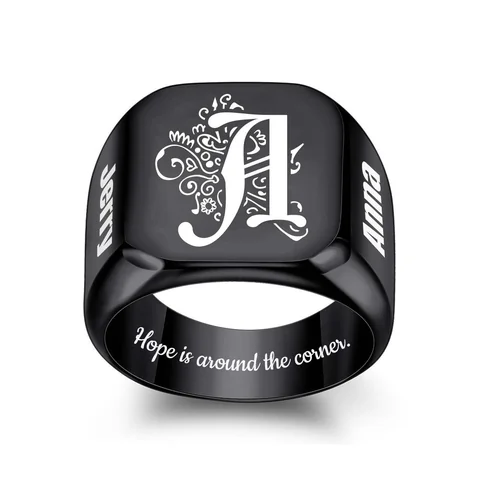
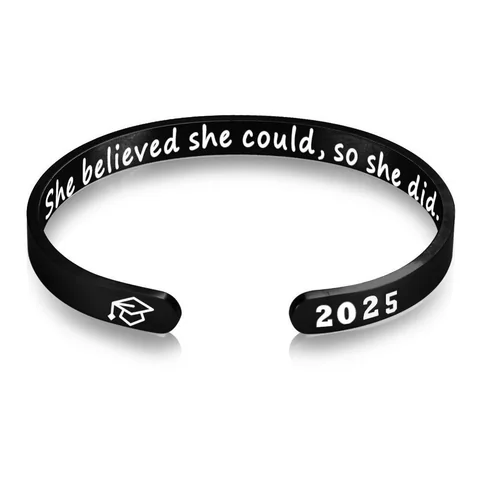
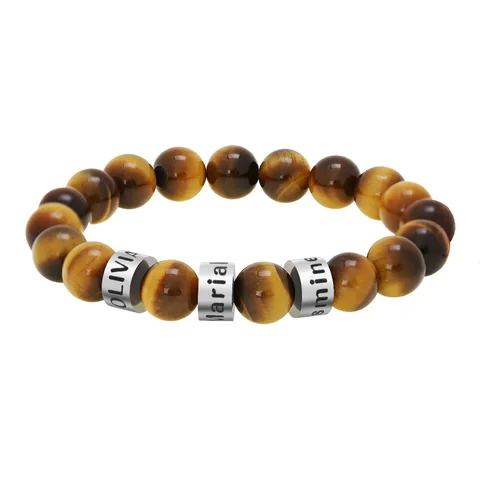
Decide which detail should draw attention first: the ring’s shape, the bracelet’s outline, or the personal text. That choice makes a two-piece arrangement easier to edit.
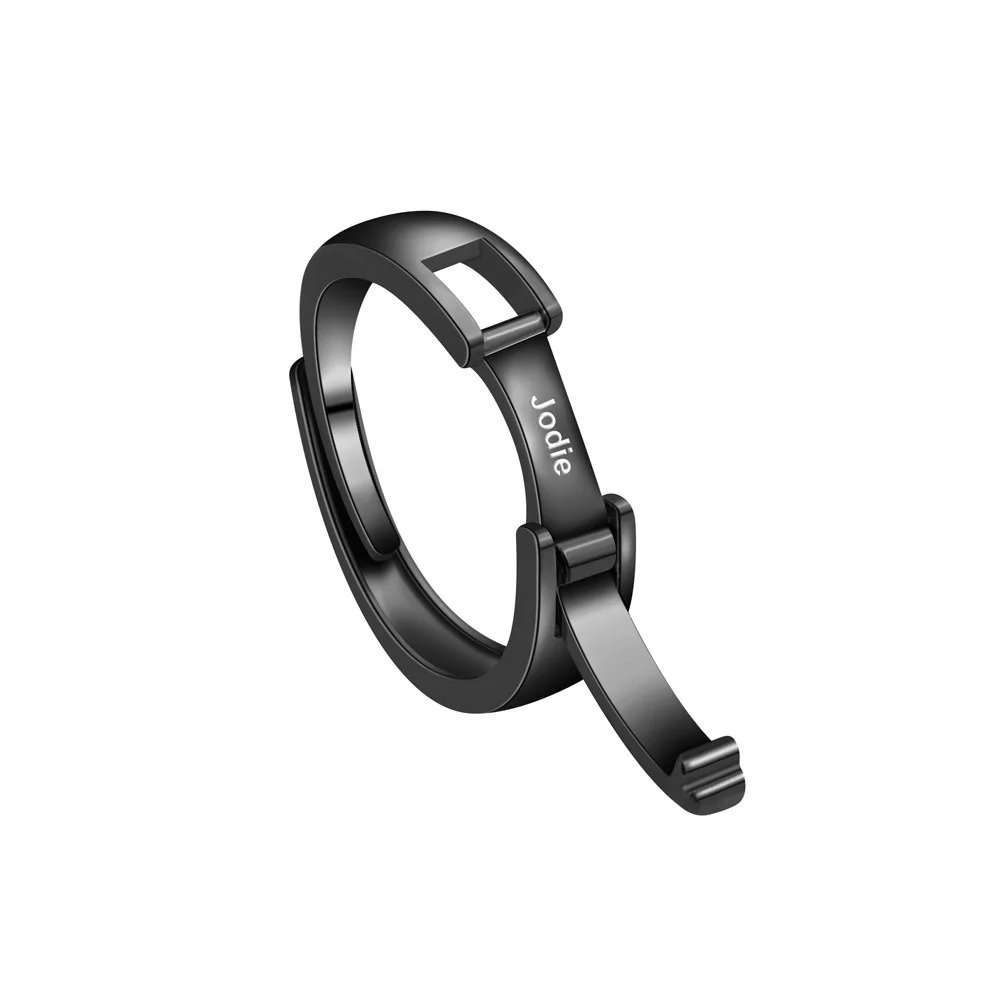
Remove one repeated feature from the plan
If both pieces carry the same prominent name, ask whether repetition serves a purpose. You could keep the name on one and use the other for shape, or keep both only if the wearer likes that repetition.
Compare the references beside a simple outfit. Then cover one image and ask what useful detail disappears. If the answer is unclear, the arrangement may not need that second piece.
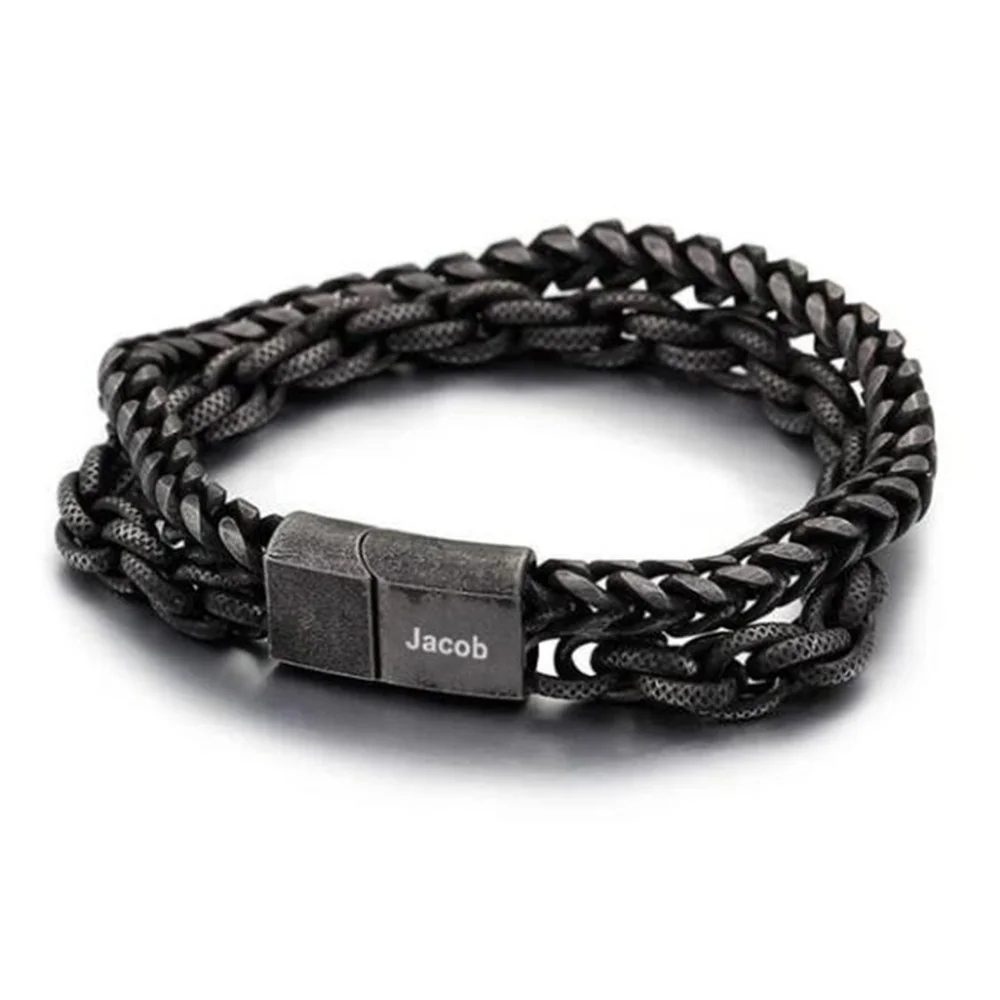
Approve the two briefs separately
The Name Ring and The Double Chain need their own size, option, and text-region confirmation. A shared color or message does not make those specifications transferable.
This is a visual planning exercise; it is not a comfort or contact test. Let the wearer assess the actual arrangement after the individual fit requirements are settled. Keeping one main detail can be a useful choice without calling a smaller combination inherently better.
Distinguish the ring's role from the bracelet's role
The ring is seen on the hand, while the bracelet adds detail around the wrist. Decide whether the connection should come from a repeated shape, a shared color, or the message. A common inscription is one option, but it is not necessary to make the two pieces feel related in the wearer's plan.
Write each role separately. The ring might lead with its angular outline and the bracelet might provide a continuous line. Alternatively, the bracelet can carry the personal text while the ring adds another shape. If both are intended to be prominent, record that deliberate preference rather than trying to describe either as a quiet supporting piece.
Compare the information that will be visible
Consider which text the wearer wants to display, and which detail can remain private. A name on both pieces can be meaningful repetition, but it can also become more public information than the wearer intended. Ask the wearer before duplicating a full name or date solely to connect the designs.
Keep the strings distinct in the preparation record even when they are identical. Each piece needs its own approved wording, location, and option. If one region supports a different layout, the wearer should decide whether the variation preserves the intended connection. Do not let the maker infer permission to abbreviate one name from the general goal of matching.
Use a three-view planning comparison
| View | Editing question |
|---|---|
| Ring alone | Which useful shape or message does it contribute? |
| Bracelet alone | Which distinct role does it contribute? |
| Both references together | Are those roles still clear, or do they compete? |
Use the same outfit and image scale across the comparison. A large close-up of the ring beside a tiny bracelet image can create a false hierarchy. This is a reference exercise; it cannot show the actual proportions on your hand or establish individual fit.
A fictional focal-point decision
In this fictional editorial example, Taylor likes an angular ring and a bracelet with parallel lines. Taylor initially proposes the same full name on both. On review, Taylor decides that the ring's shape should lead while the bracelet carries the name. The ring brief and bracelet brief are updated separately so the choice is explicit.
Suppose the selected ring option still has a sample name visible in the gallery. Taylor does not treat that sample as an instruction for the new piece, nor assume that a blank version is available. Taylor asks which intended option and text treatment are actually supported. The visual role remains a proposal until those details are confirmed.
Another fictional wearer wants the same short word on both pieces as the main connection. That wearer keeps the repetition, but checks each region independently. These examples show different intentional choices; neither establishes a universal rule about how many inscriptions should appear on one hand and wrist.
Observe the actual arrangement after individual fit
A correct ring size does not answer the bracelet fit question, and vice versa. Resolve each using the applicable specification before making a final judgment about the combined appearance. The actual wearer can then see which detail draws attention and whether the intended message is readable in the chosen arrangement.
Do not perform a contact or scratching test to prove the combination acceptable. If ordinary intended movement produces unwanted contact or crowding, record the observation and revise the plan. The styling exercise does not establish comfort, surface durability, or a safe distance between components.
Keep revisions local to the affected brief
If you change the bracelet wording, update its proof and preserve the ring's separately approved record unless the shared detail is affected. If you change the common word, revisit both. This makes it possible to understand which part of the arrangement remains approved and which part needs review.
The final comparison can consist of two role statements, two accurate text records, and one proposed arrangement. Retain the product-specific questions alongside them. A successful editing decision explains why both pieces remain in the plan, or why one is sufficient, without turning visual preference into a claim about their construction.