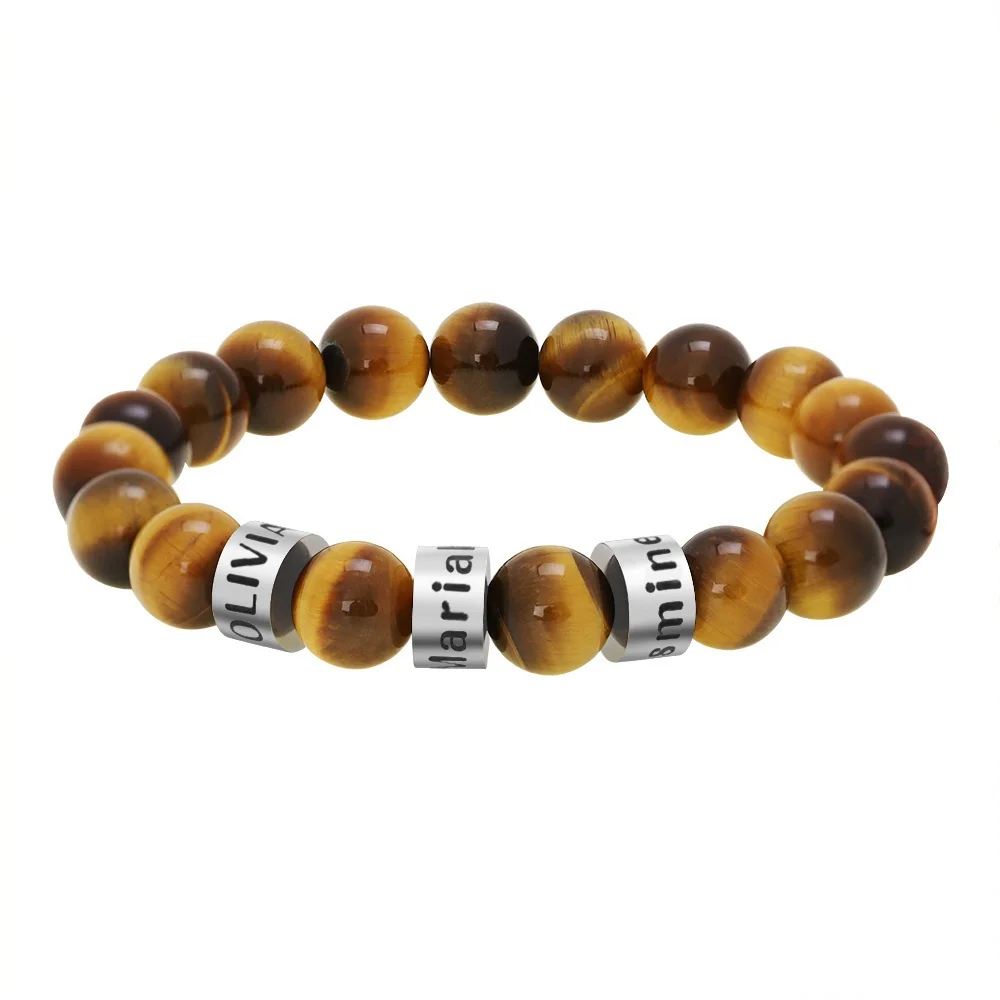
Use the version the wearer recognizes as theirs. Initials save space, but a shorter inscription is not automatically a better personal message.

Compare three honest alternatives
For the fictional name Avery James Cole, consider:
| Version | What it emphasizes | What to settle first |
|---|---|---|
| Avery | Everyday identity | Is this the name the wearer uses? |
| AJC | The full set of initials | Does this order match the intended name order? |
| Avery Cole | First and last name | Does the wearer want the surname displayed? |
Do not use a decorative monogram convention without asking how the initials should be ordered. A layout that moves a surname initial to the center can be read differently from a straightforward sequence.
Confirm identity before fit
Have the wearer confirm the spelling, capitalization, and chosen version before asking whether it fits. If the full name is important but exceeds a confirmed region, choose another layout or place the longer message on a card; do not invent a nickname.
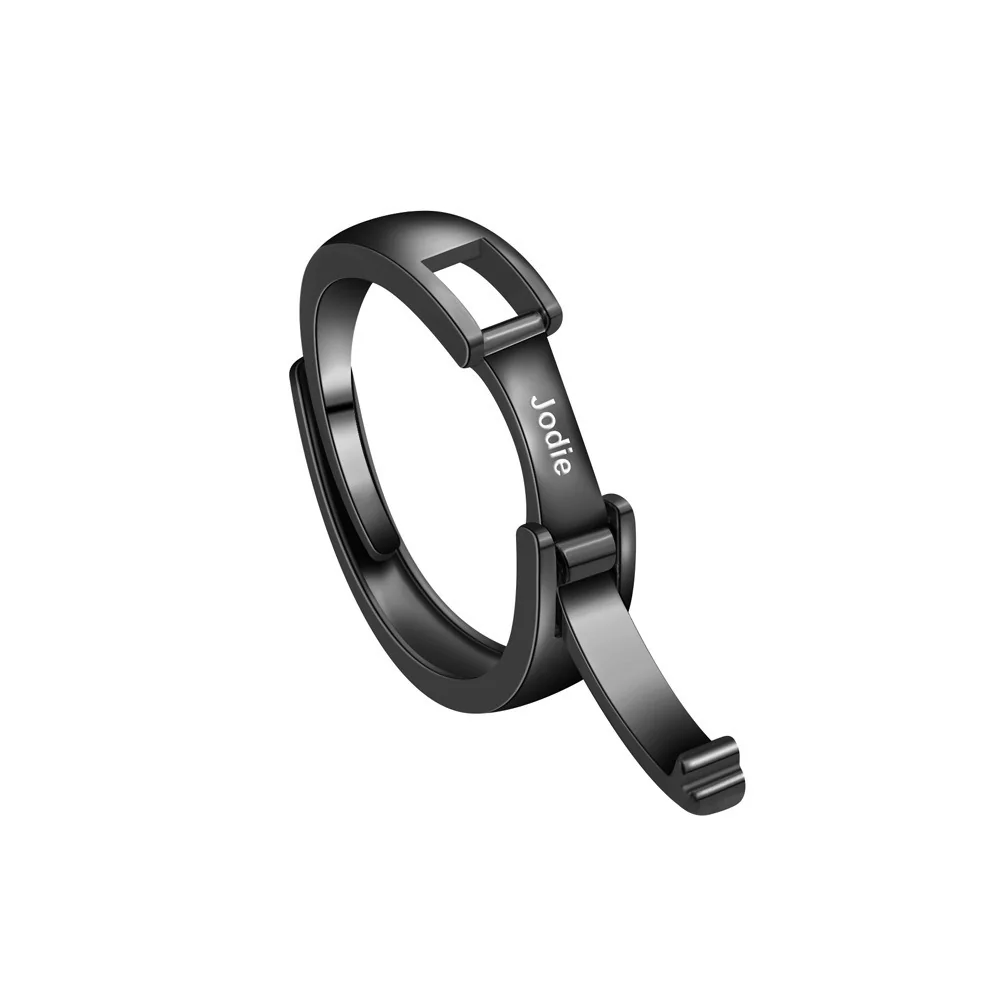
Compare the Double Chain for a clasp-focused visual reference and the Name Ring for a finger-worn alternative. Their photographs do not approve your text.
Keep one exact final string in the brief. Sending several versions with “whichever looks best” gives away a decision that belongs to the person whose name is being used.
Make identity the first decision
A person's preferred name may differ from the version used on paperwork. Ask which version they want on jewelry instead of treating the longest official name as the most respectful choice. The answer might be a first name, an established nickname, a full name, or no name at all. Preserve the answer exactly before considering the space available.
If the gift is a surprise, use a version you know the person actually chooses for themselves. If that knowledge is uncertain, keep the inscription undecided and ask a discreet preference question. Guessing a nickname can change the meaning more than changing the jewelry design.
Separate abbreviation from layout
Initials are a new text draft. They may preserve a reference to several names while reducing how much identity is visible. They may also lose the familiar word shape the wearer recognizes. A seller's preference for a shorter string cannot settle which interpretation the wearer wants.
For a fictional example, compare “Avery,” “Avery Cole,” and “AJC” on three plain cards. Read the cards without imagining a font. If the wearer immediately recognizes one as their usual identity, note that result. Only then ask whether the chosen design can accommodate it. This prevents a decorative preview from making the identity decision for you.
Two people can share the same initials. Decide whether that ambiguity matters to the purpose of the gift. If the letters are a private reminder, ambiguity may be welcome. If the name is intended to identify one person clearly, the full preferred name may be more appropriate. Do not add a birth date or another personal detail merely to eliminate ambiguity without asking.
Specify initial order in ordinary language
Write the exact sequence and explain what each position represents when needed. For example, an original brief could say “AJC in this order: first, middle, last; no periods.” This is easier to review than “use a monogram,” which may leave the arrangement unclear.
If the wearer prefers another order, preserve it as their choice. The goal is a correct personal request, not enforcement of a general decorative convention. A centered surname initial, repeated letter, or omitted middle initial needs to be visible in the submitted string and the proof.
Punctuation also belongs to the choice. “A.J.C.” and “AJC” use the same letter sequence but present it differently. Keep one selected version in the final brief. Sending both without identifying the preferred one can create a preventable mismatch between intention and production request.
Evaluate the actual name, not a convenient sample
The photographed word Jacob supplies an example of placement on the Double Chain reference. It does not show what happens to Avery Cole, a different string with a space and another length. Ask for the proposed name in the intended region and treatment.
For the Name Ring alternative, request a separate proof of the same spelling. A layout created for a bracelet cannot simply be reduced and treated as an approved ring layout. The text region, viewing orientation, and finished scale must be identified for that piece.
If a maker suggests initials because the full name is difficult to accommodate, ask about another supported arrangement before agreeing. A new design may preserve the identity better than an unwanted abbreviation. If initials are accepted, record the reason for the change and get confirmation of the exact sequence.
Keep the final review small and precise
Review spelling, capitalization, order, and punctuation first. Then review placement and scale. These are related checks, but a correct spelling does not establish a suitable layout, and an attractive layout does not fix an incorrect name.
The saved outcome should say which identity version was chosen and why. It might read “Avery preferred over initials because it is the familiar everyday name; actual text area not yet confirmed.” That result is useful even without an approved manufacturing specification. It gives the next review a clear text master and prevents later layout changes from quietly rewriting the person's identity.