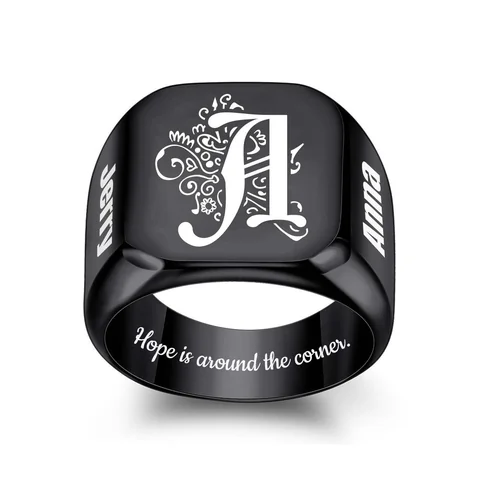
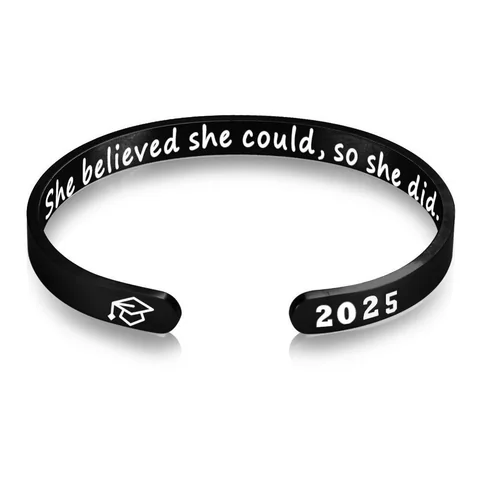
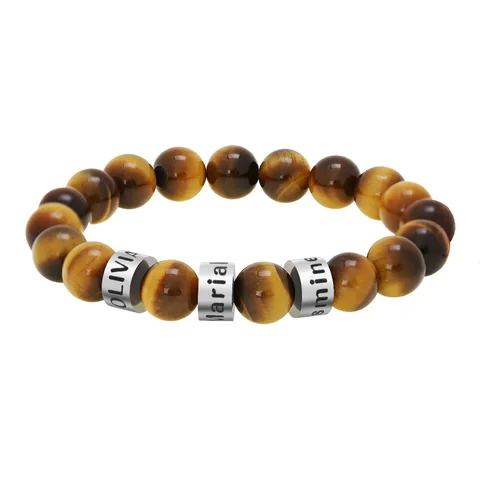
Ask what the proposed rework would change before approving it. Removing or polishing a mark is a different task from adding a new inscription, and neither is confirmed merely because a seller offers engraving on a new piece.
Define the desired change
Record the existing text, desired text, component, and reason for the request. Include clear photographs and the original brief if available. Ask whether the proposed method affects the surrounding surface, the part's dimensions, or other lettering.
Request the expected result and any limitation in writing. “We can engrave” does not answer whether an existing mark can be removed cleanly.
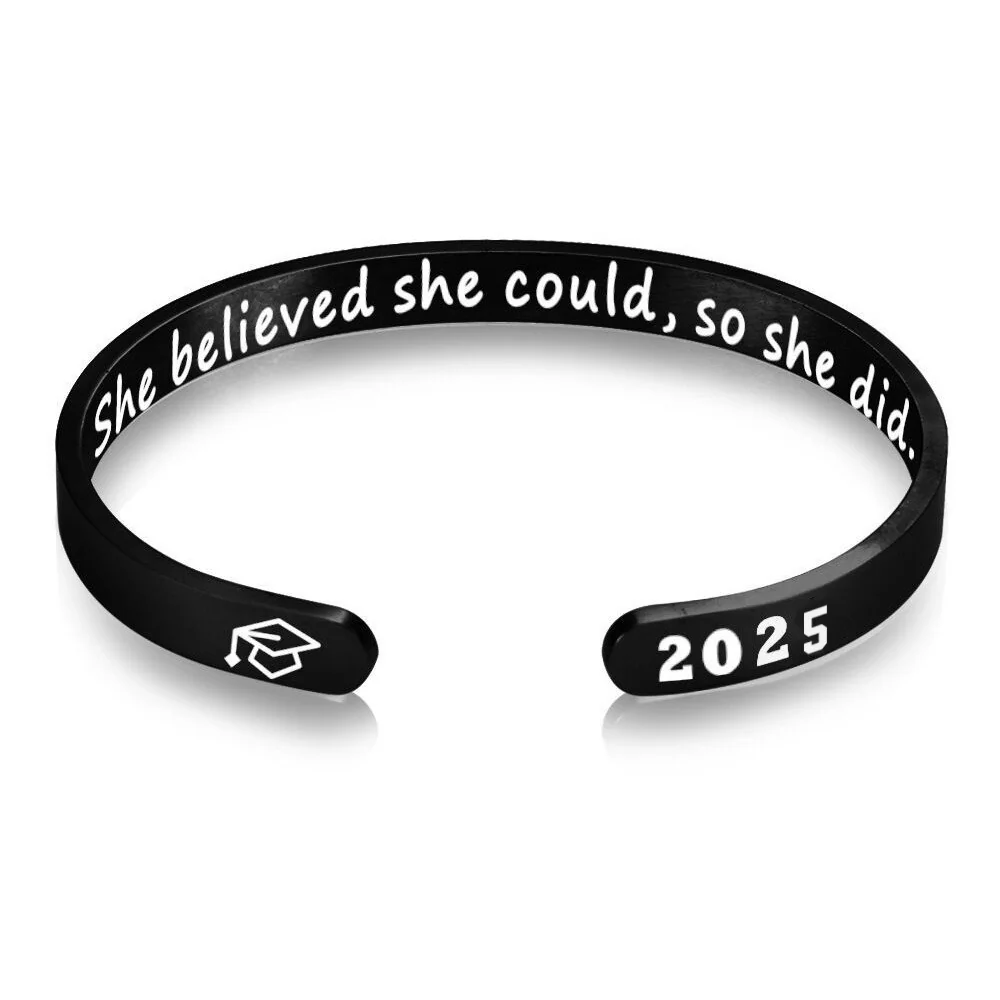
Compare alternatives without assuming a service
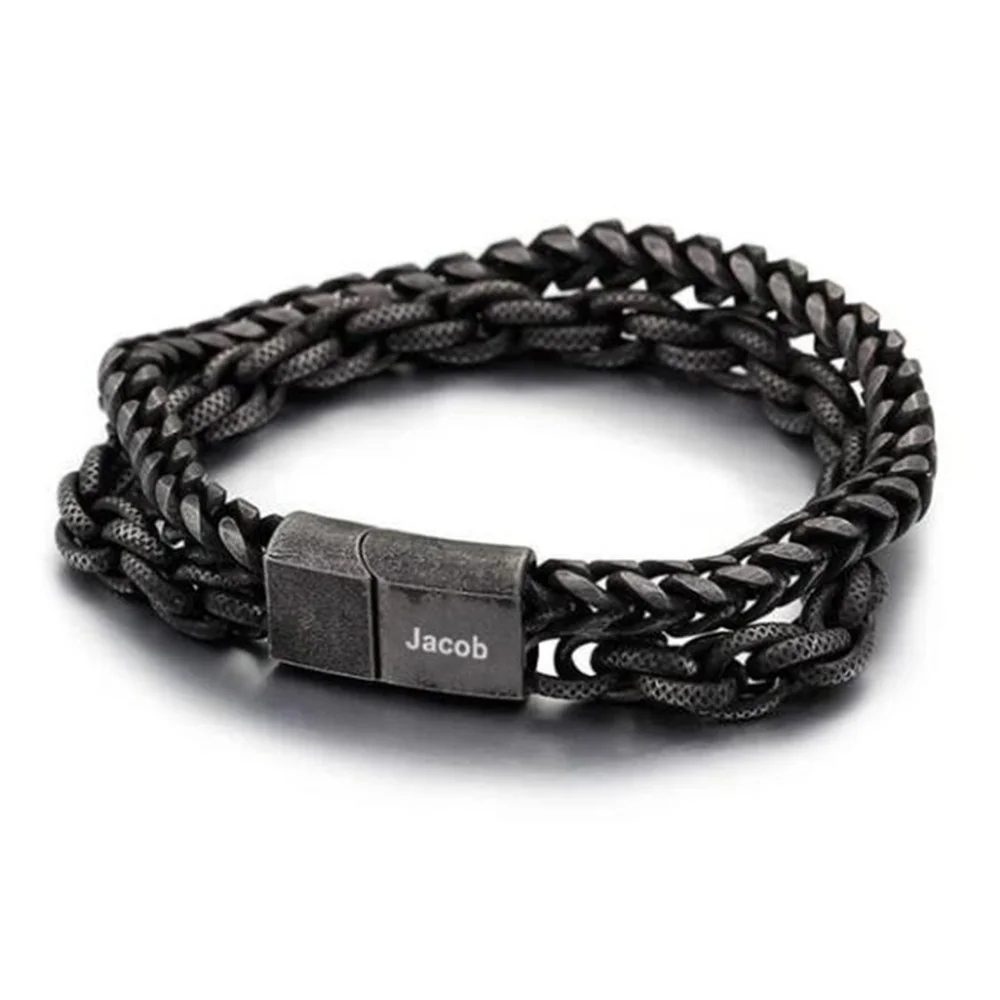
For The Double Chain or The Open Cuff, ask whether an approved replacement component or new piece is a separate option. The current records do not confirm either service or its cost.
If the proposed result is uncertain, keep the existing piece unchanged while resolving the question. Do not promise the wearer that a name or date can be revised before the exact construction and method have been assessed.
State what must be preserved
Before asking about a new inscription, identify the features you want retained: the physical piece, its finish, its original wording, or a particular component. These priorities can lead to different choices. Someone who wants to keep the original bracelet unchanged may accept a separate new piece; someone who wants the current bracelet to display a new name is asking for a different result.
Write the existing and desired text in separate fields. Include punctuation, capitalization, and the intended order if more than one name is involved. Do not erase the old text from the preparation record. An assessor needs to understand the change, including whether the request concerns one mistaken letter or a complete replacement of meaning.
Separate three possible tasks
| Task being discussed | Question that needs an answer |
|---|---|
| Adding wording | Is a separate approved area available on this exact part? |
| Replacing existing wording | What happens to the original mark and surrounding surface? |
| Replacing a component or piece | What compatible replacement, if any, is actually offered? |
These are discussion categories, not services confirmed for the collection. A seller who can personalize a new blank component may not offer work on an existing inscription. Ask which task the reply addresses so a general “engraving available” statement cannot be mistaken for approval of erasure and re-engraving.
Prepare an assessment packet
Provide the product identifier, exact version if known, current-condition photographs, the original proof if available, and the two text strings. Locate the component in a whole-piece view, then include a clear view of its personalized area. Preserve the photographs without disguising the old inscription. A digitally cleaned mockup can communicate a wish, but it cannot demonstrate that the current mark can be removed.
Ask what information about the original process is needed. If the original material, treatment, or marking method is unknown, write that plainly. Do not infer engraving depth from the apparent darkness of a photograph or use a manufacturing term merely because it sounds familiar. The assessment must resolve those details for the actual construction.
A fictional changed-name decision
In this fictional editorial example, Ellis wants an existing name replaced by a different name while keeping the original bracelet. Ellis records that preservation of the physical piece is the main priority and requests an assessment of the personalized component. The proposed new text is not sent as permission to begin work until the expected result and limitations are understood.
Suppose the only confirmed option is a newly personalized bracelet. That may preserve the intended message but does not meet Ellis's requirement to retain the original physical item. Ellis can decline that option or decide to keep the original separately. The alternatives should be described honestly rather than calling a replacement a successful rework.
Another fictional request concerns one letter that differs from the approved proof. That request needs the original proof and current text comparison. It should not be treated as the same task as replacing a chosen name. Any available service terms still need confirmation; the example does not establish a correction entitlement.
Review limitations before approving the method
Ask the assessor to describe the expected appearance, affected region, and any part that cannot be restored or changed as requested. If the answer is uncertain, request clarification rather than treating uncertainty as a promise. A diagram showing the new words in place cannot establish what will remain visible from the original mark.
Keep the desired wording editable until a supported method and region are identified. If a proposal changes the component or option, review the corresponding fit, appearance, and text-area questions again. Do not assume that a replacement with the same color description has an identical construction.
Keep sentimental and manufacturing decisions distinct
The wearer may decide that keeping the existing inscription has value even when its wording no longer matches the new plan. That preference is separate from whether rework is technically feasible. A card, another piece, or a new inscription elsewhere can be considered without promising any particular service.
The final decision sheet should say what change is wanted, what must remain, which method has been assessed, and what limitation is accepted. If no method is confirmed, the existing piece stays unchanged. That is a clear result rather than an unfinished instruction the maker is expected to interpret.