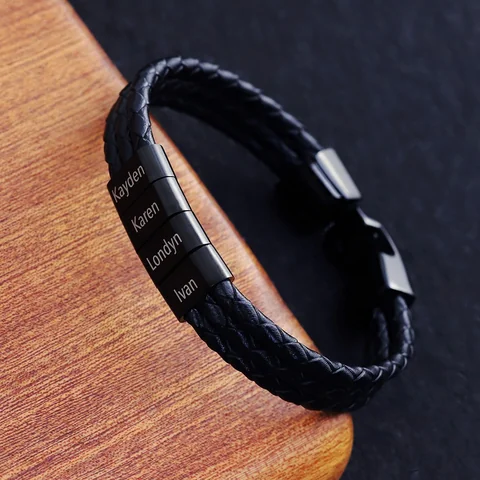
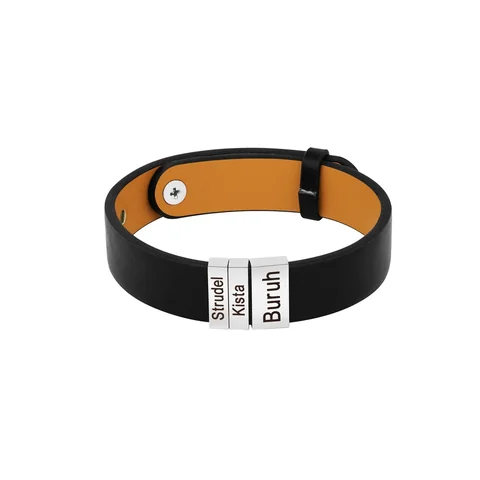
Do not choose steam or ultrasonic cleaning until compatibility is confirmed for the whole assembled bracelet. A material statement about one bead or clasp is insufficient.
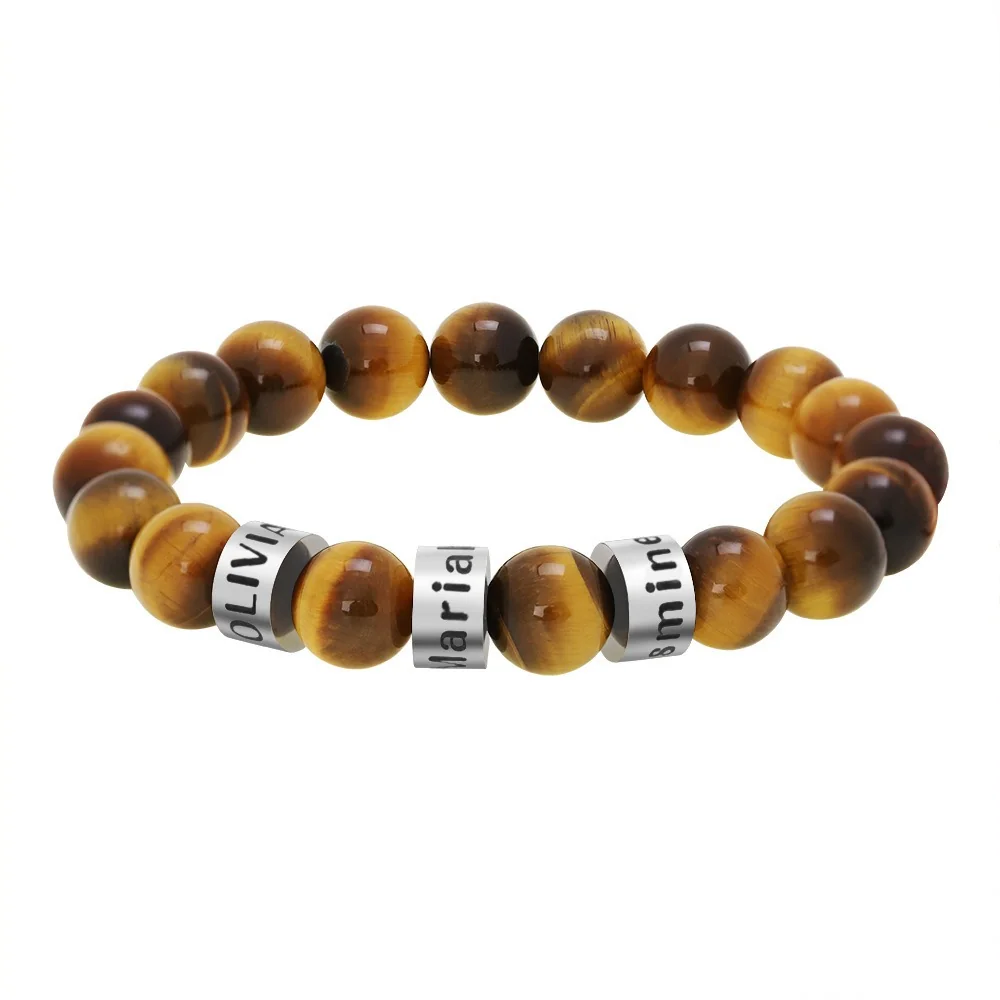
Identify the missing information
GIA’s ultrasonic-cleaner guidance explains that some gem materials and treatments are unsuitable for that method. It does not identify the beads in this reference or approve an assembled bracelet.
List the beads, band, name elements, closure, and any surface treatment. Ask the manufacturer which cleaning methods are explicitly approved for this configuration. If a bead's material is unresolved, leave it unresolved rather than selecting instructions for a similar color.
Keep equipment settings out of an unsupported brief
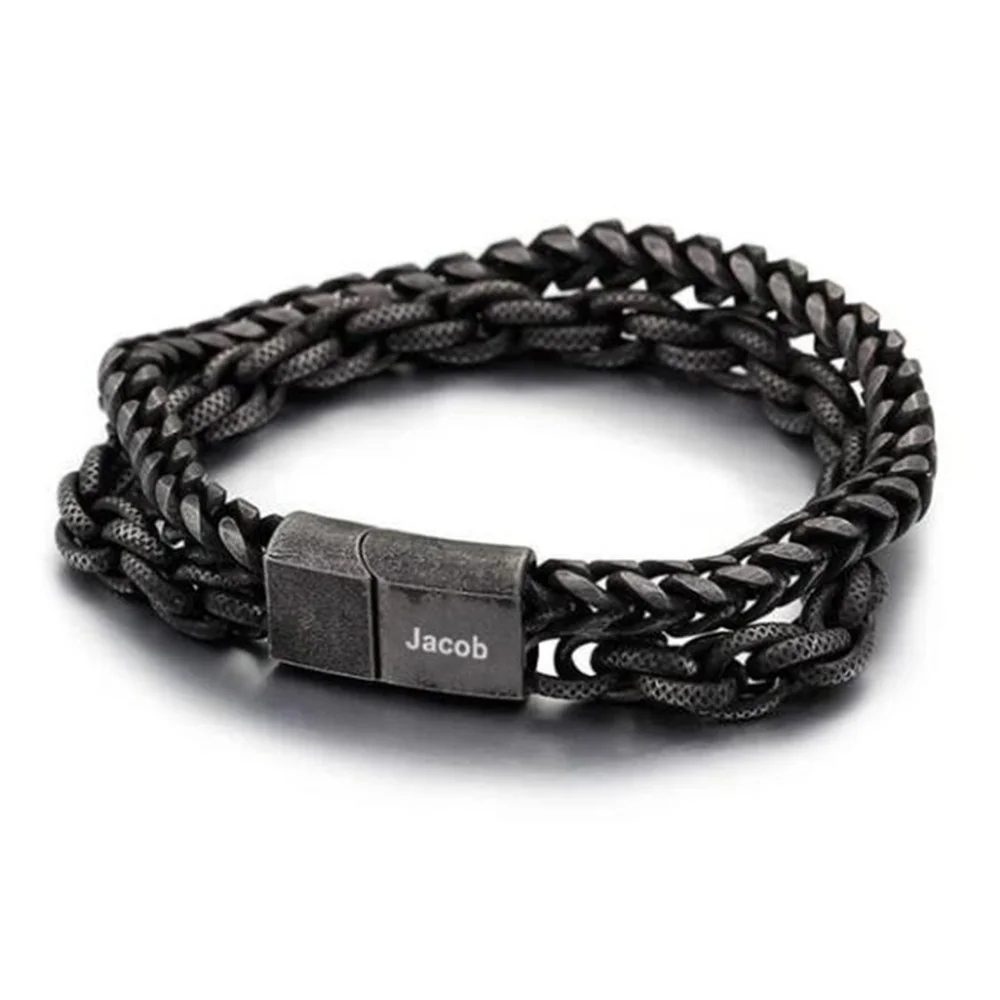
For The Name Bead Bracelet or The Double Chain, request the product-specific method before discussing equipment settings or solutions. General advice for metal jewelry cannot settle the band or decorative-part question.
If no compatible method is supplied, seek qualified assessment of the actual piece. Do not use a machine as an experiment to discover the material's response.
Identify the task before selecting equipment
Ask whether the goal is routine cleaning or assessment of an unusual mark, changed appearance, or loose-looking component. Those are different tasks. A machine should not be selected simply because a mark persists or because the bracelet has several visible parts. Start with the condition and the exact configuration rather than with an equipment category.
Record which area prompted the question. If the issue concerns a band, advice about a metal clasp alone does not answer it. If the issue concerns a bead, a color description cannot supply its material or treatment history. Keeping the task specific helps a reviewer identify what needs assessment before discussing any cleaning method.
Provide an assembly map
List the components in the order they appear or label them on a photograph. Include the supporting band, decorative beads, personalized elements, closure, and any additional surface. State whether the construction details are known or only visible in the reference. Do not remove a bead or open the assembly to complete the map.
The important question is whether the proposed method is explicitly approved for that assembled configuration. If a response names only one material, ask which component it describes and whether the rest are included. If a seller requests inspection of the actual bracelet, keep the component map and original condition photographs available for that assessment.
Keep steam and ultrasonic questions distinct
Ask about each proposed method by name rather than combining them under “professional cleaning.” Approval of one would not automatically identify a procedure for the other. The relevant answer should name the exact piece, method, configuration, and any condition requiring inspection.
This article does not provide operating times, temperatures, machine power, or cleaning solutions. Those details would need a product-specific basis, and none has been established for the references here. Do not copy a machine program from a different accessory or convert a general discussion into instructions for this bracelet.
A readiness table for the assessment
| Question | What the record should show |
|---|---|
| Which piece is involved? | Product identifier and exact option if known |
| Why is cleaning being considered? | Routine task or observed condition |
| Are all components identified? | Known statements and unresolved parts |
| Which method is proposed? | Steam or ultrasonic, stated separately |
| Who confirms compatibility? | The manufacturer or a qualified assessment of the actual piece |
| Is separation or repair needed? | An explicit answer, not an assumed user operation |
The table is useful even when several entries remain open. It exposes the point preventing a supported decision. Completing the table does not itself authorize equipment use; the compatibility answer must cover the assembly rather than just the easiest component to identify.
A fictional machine-cleaning question
In this fictional editorial example, Lee owns a bracelet with dark round beads and engraved elements. A friend suggests an ultrasonic cleaner because it is used for another piece of jewelry. Lee records the bracelet's visible components and discovers that the bead identity and supporting-band material are still unresolved.
Lee asks for an assessment of the complete piece. A reply confirming only that one metal component may be cleaned does not close the bead and band questions. Lee leaves the machine unused for this bracelet and seeks clarification. The example does not establish that the method is suitable or unsuitable for any particular identified gemstone; the point is that the necessary identification has not been made.
Suppose a qualified assessor wants to see the actual item. Lee brings the condition record and available supplier statements while preserving their uncertain status. The assessor can evaluate the piece without Lee presenting a guessed material name as confirmed.
Evaluate the answer before the settings
A useful answer explains the applicable method or the need for inspection. A generic “works for jewelry” message cannot resolve the component questions. If the answer refers to another option, correct that mismatch before considering any procedure. If it assumes a material not supported by the records, ask for that assumption to be resolved.
Retain the resulting instructions with the configuration they cover. If the bracelet is later altered or a component replaced, review whether the previous assessment still applies. An equipment decision belongs to the actual assembled piece and task. It should remain separate from assumptions about the reference's appearance or the capabilities of a machine available at home.