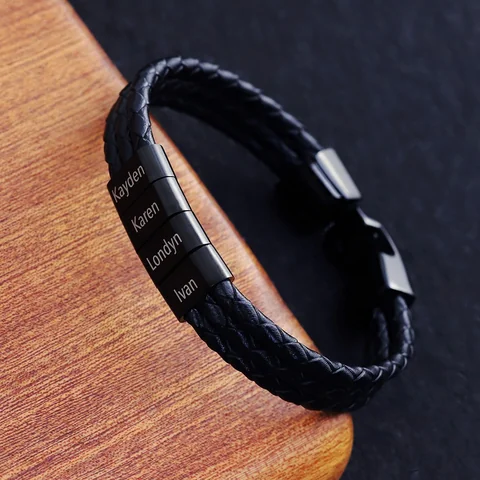
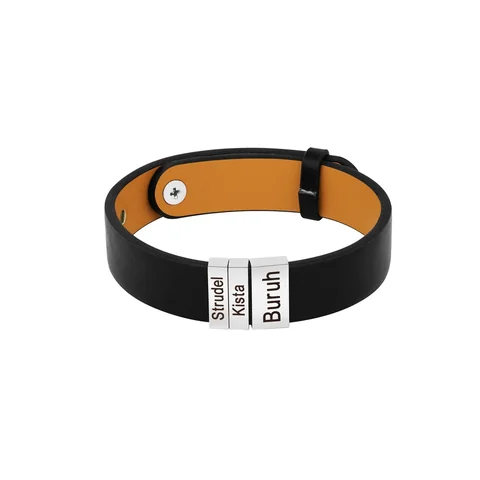
Pause a specification-dependent choice when the sources conflict. Selecting the more attractive statement does not resolve the difference.
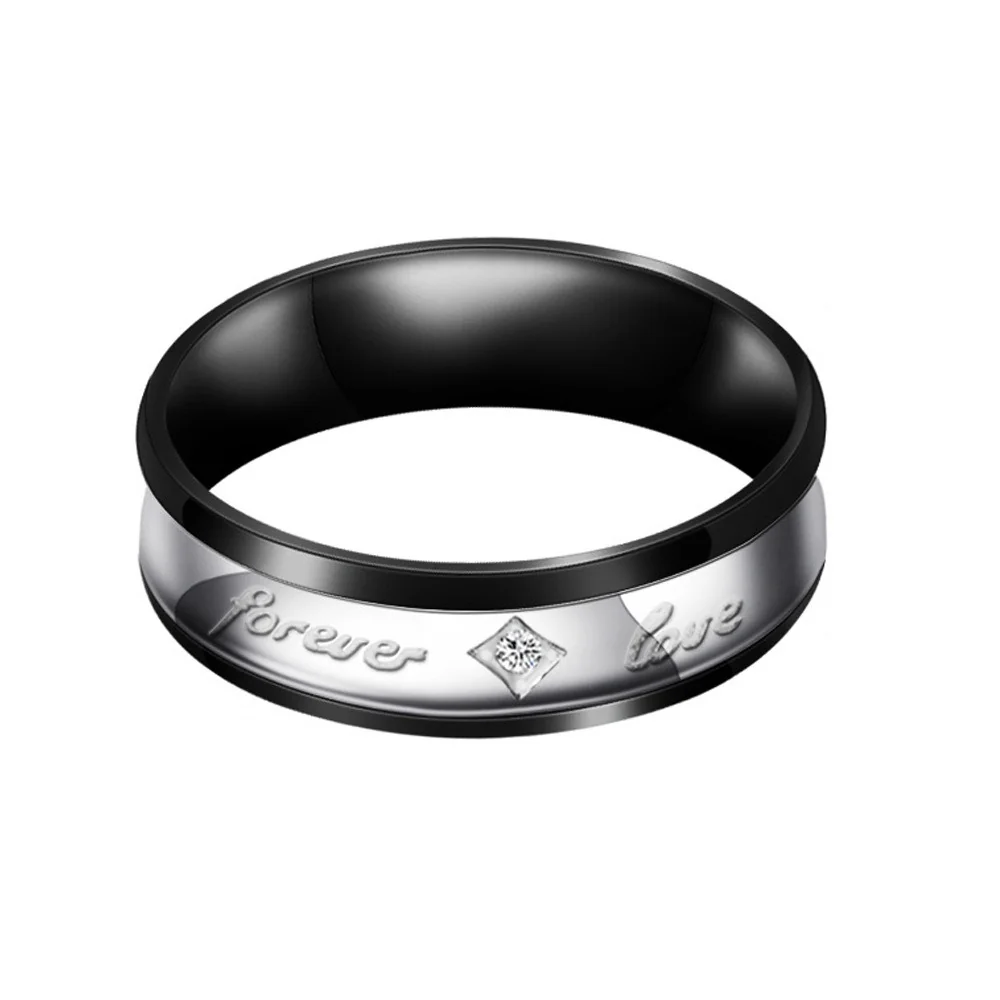
Keep the conflicting records side by side
For The Engraved Ring, the archived attribute table names stainless steel while the detail description names copper. Neither is treated as the independently confirmed composition of the selected piece.
Write both statements with their source locations and ask which exact component and option each describes. A corrected answer should identify the version, not merely repeat “high quality.”
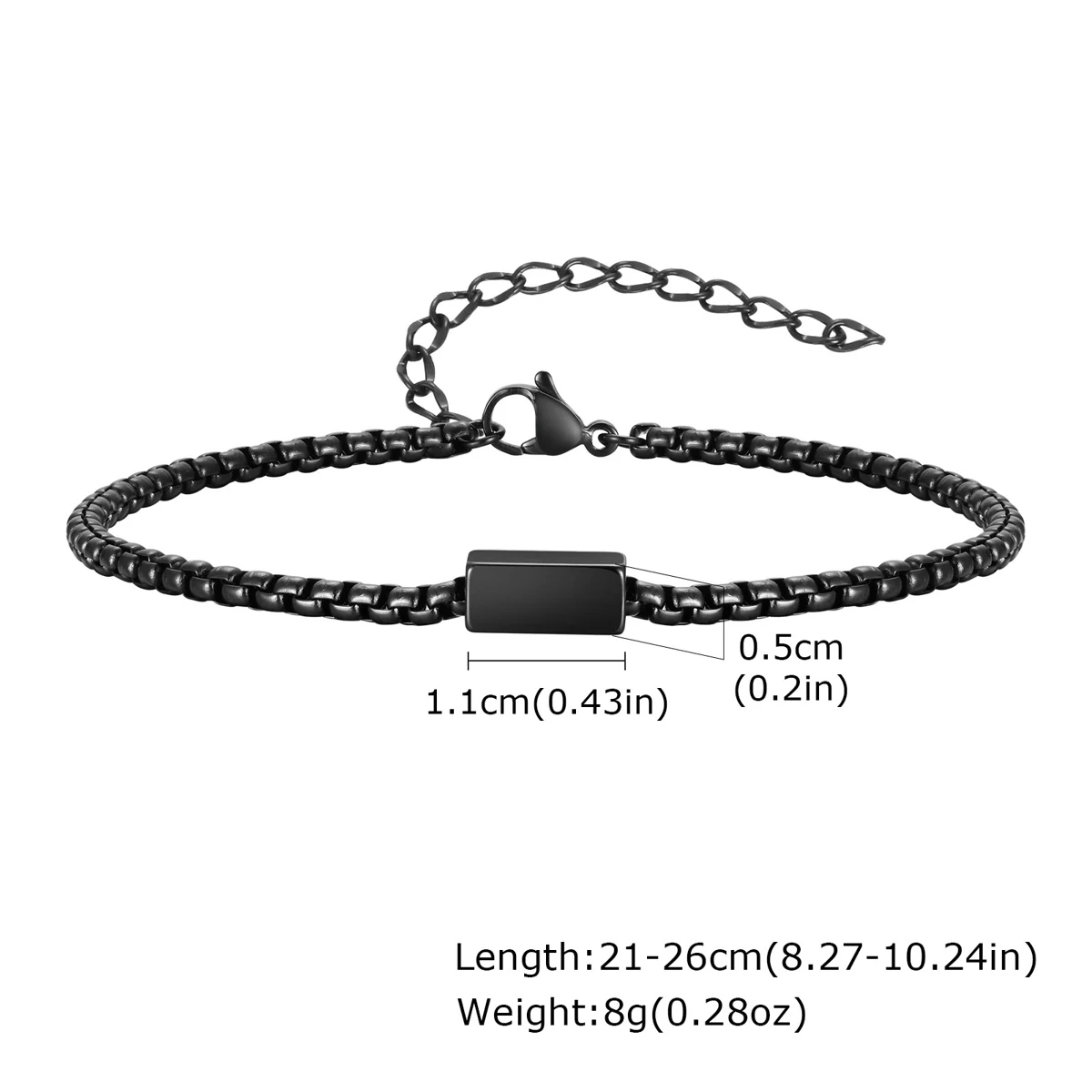
Apply the same method to dimensions
For The Square Name Bracelet, an archived SKU states 18 + 5 cm while a reviewed source diagram labels 21–26 cm. The record does not establish that these describe the same option or measurement definition.
Request a labeled specification for the selected version. Until the difference is resolved, do not report either figure as a sales-approved fit range. A visually appealing reference can remain on a mood board while leaving a material- or size-dependent shortlist.
Identify which decision depends on the conflicting fact
A material conflict matters when your selection relies on that composition or its associated instructions. A dimension conflict matters when fit depends on that value. Write the affected decision beside the two statements. This keeps the pause specific rather than treating every unresolved detail as an identical issue.
You can retain a visual preference while pausing a specification-dependent choice. For example, liking an outline does not require declaring its material confirmed. Keep the reference on a visual board if useful, but do not let that preference fill the disputed specification in the active brief.
Preserve the source locations, not just the values
Record the exact product identifier, option if supplied, source location, capture or review date, and the conflicting wording. An attribute table, a detailed description, and a dimension image may describe different information scopes. The difference needs clarification; it should not be hidden by selecting the most convenient row.
| Conflict field | Information to retain |
|---|---|
| Product and option | The version the question concerns |
| First statement | Exact wording and source location |
| Second statement | Exact wording and source location |
| Measurement definition | What the value claims to measure, if given |
| Decision affected | The reason you cannot rely on either value yet |
| Clarification requested | The component or version that needs identification |
Do not calculate a new intermediate value or assume two material words form a composite specification. A plausible explanation is still an explanation awaiting evidence.
Ask for a correction that identifies its scope
A useful request names the two statements and asks which applies to the intended component and option. For the documented ring conflict, retain stainless steel in the attribute record and copper in the detailed-description record. Do not ask only whether the ring is good quality, because that does not resolve composition.
For the bracelet-length conflict, ask whether the source values describe the same option and measurement definition, and request a labeled specification for the selected version. The answer should explain its scope. It should not merely repeat one number without identifying what it measures.
A fictional source-conflict worksheet
In this fictional editorial example, Alex needs a particular bracelet fit and finds two length statements that do not match. Alex saves both source locations and records fit as the affected decision. The image remains a style reference, but neither length is inserted as the active approved range.
The first reply repeats one of the numbers without identifying the option. Alex follows up for the version and measurement definition. If a corrected labeled specification is later supplied, Alex retains it with the earlier discrepancy and records which statement it replaces. The correction remains attributed unless independently verified.
A separate fictional ring choice depends on confirmed composition. An attractive photo does not resolve contradictory material text. The shopper can consider another reference with the necessary information or keep the selection paused. Neither action requires inventing a verdict about the supplier's honesty.
Evaluate a reply against the original conflict
Check whether the response identifies the exact product, component, option, and disputed field. Ask whether it explicitly corrects an earlier statement or applies to another version. If it supplies a new value without addressing the relationship, keep the unresolved point visible.
Do not combine an answer for a bracelet with the ring record simply because both are dark-colored. Each conflict belongs to its own source and selection requirement. Likewise, a manufacturing description does not automatically approve a sales fit range or replace missing instructions.
Write the clarification outcome beside the disputed field, including unresolved if that is the result. A reply can be helpful about one component while leaving another question unanswered; the worksheet should preserve both states separately.
Produce a narrow pause-and-resume decision
The record should state what remains unresolved and what information would allow the decision to resume. For a fit issue, that might be a labeled applicable dimension and size relationship. For a material issue, it might be a corrected component specification.
If the necessary information is not supplied, you can leave the design as an appearance reference and exclude it from the specification-dependent shortlist. This is a practical selection boundary, not a negative product diagnosis. Keeping the two source statements visible is more useful than converting uncertainty into a confident claim that a preferred design meets the requirement.